The Transition from Consumer to Creator
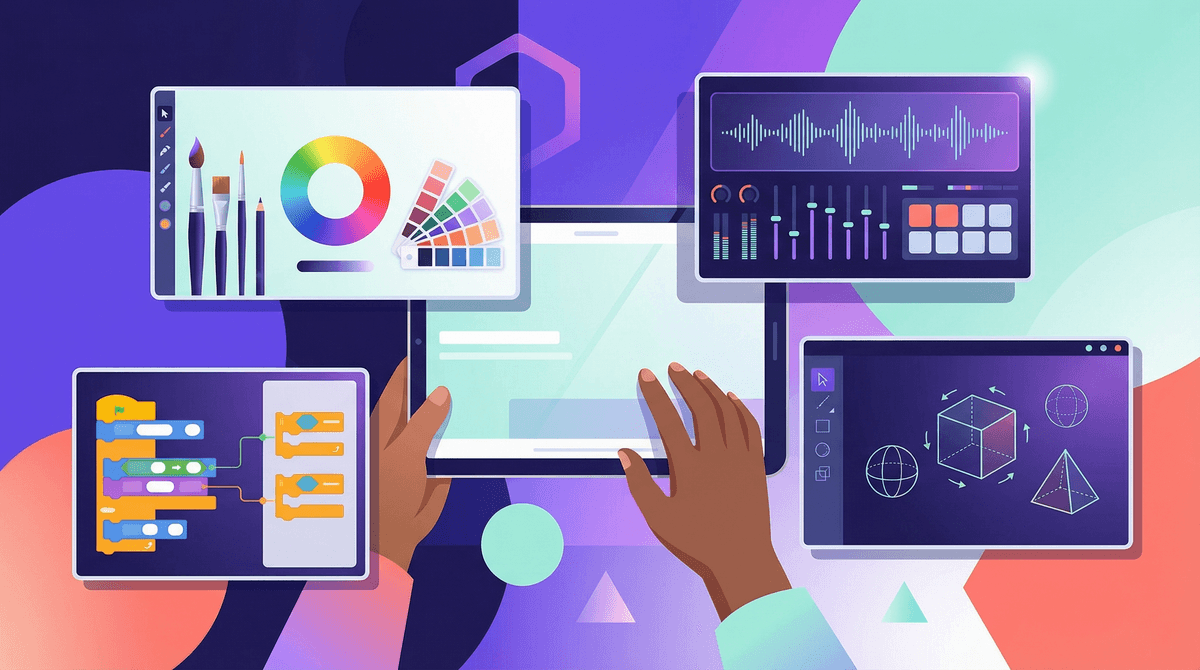
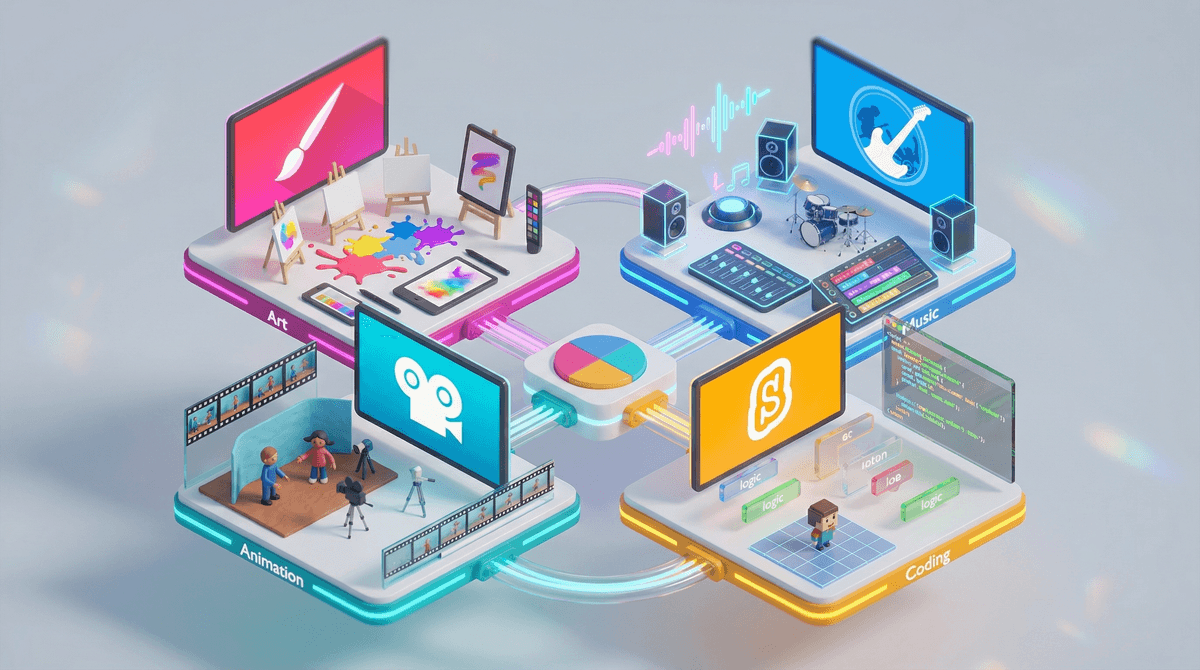
Most kids enter the digital world as consumers—watching YouTube, playing Roblox, scrolling through feeds. Scratch flips the script. It’s a visual language where 'blocks' of code snap together like LEGOs. If a kid wants their character to move, they have to understand the X and Y axes. If they want a score, they have to understand variables. This is 'stealth learning' at its finest.
Why 'Remixing' Matters
One of the most powerful features of Scratch is the See Inside button. Every project on the site is open-source. If your kid sees a cool particle effect in someone else’s game, they can look at the code, see how it was done, and bring it into their own project. This can lead to some 'hey, they stole my work' friction, but it's a perfect opportunity to talk about how the modern web was built on shared knowledge.
The Safety Trade-off
MIT has done a stellar job keeping the 'creeps' out by banning private messaging entirely. Everything is public. This doesn't mean it's a utopia—kids can still be mean in comments or post 'fame-seeking' projects—but it drastically lowers the risk profile compared to almost any other social platform.
If your kid is starting to feel 'too old' for Scratch, it's usually a sign they're ready for Python or Javascript. But for that 8-12 window? There is nothing better for building a foundational understanding of how the digital world is constructed.