The "Sweaty" Alternative to Fortnite
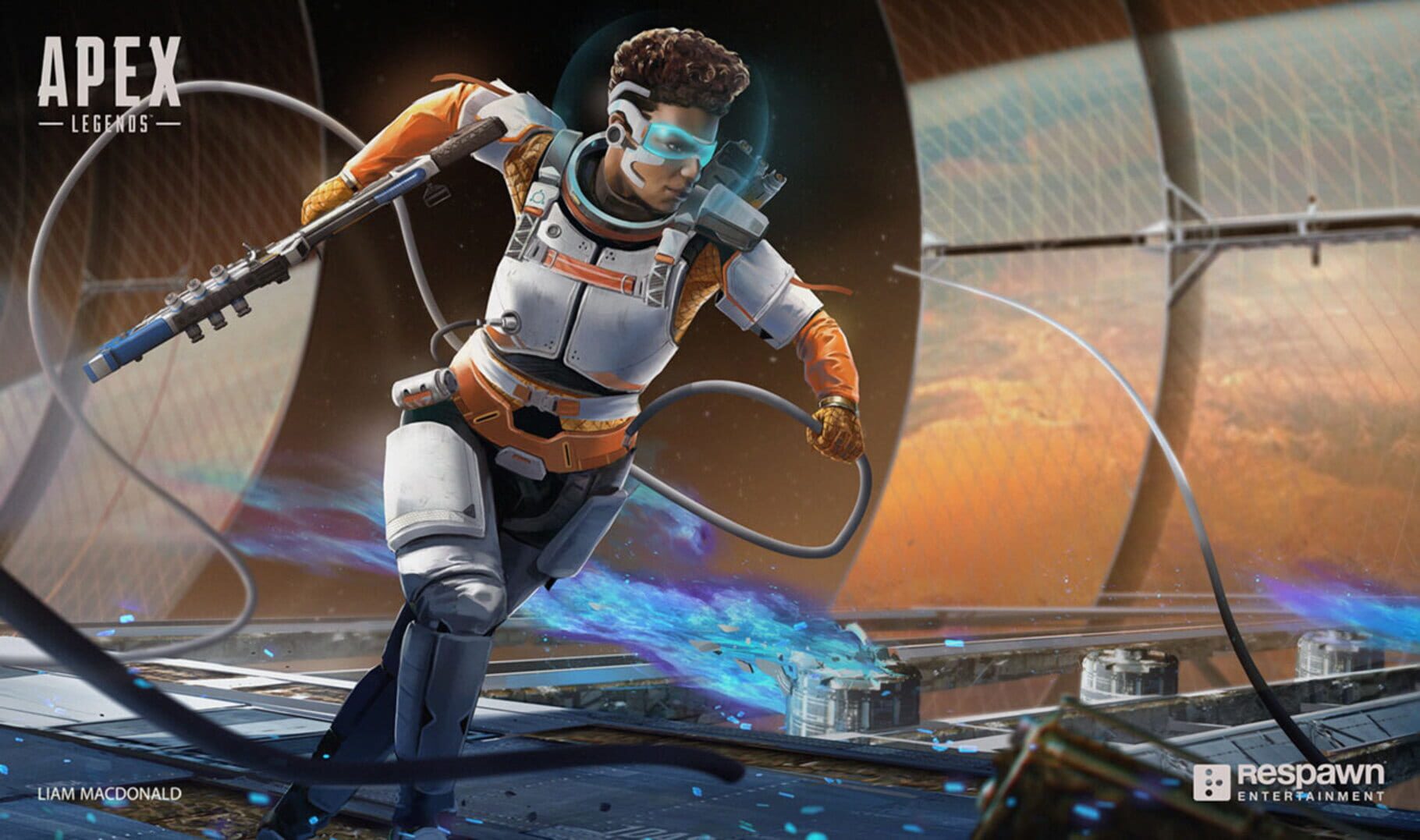
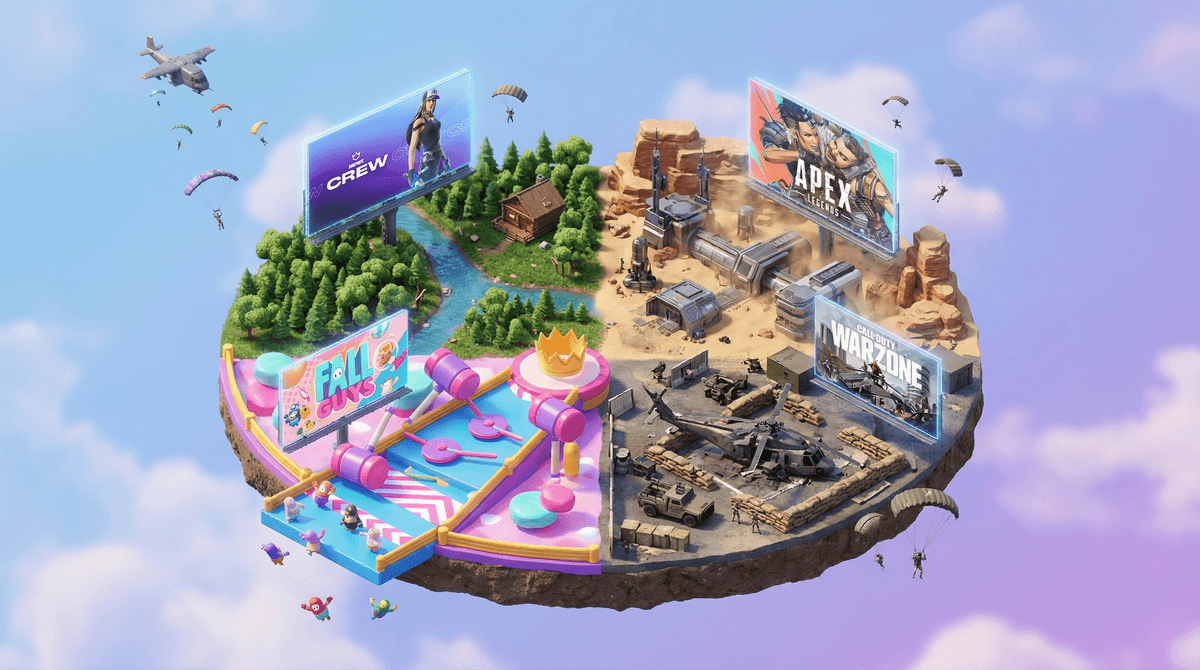
If Fortnite is the chaotic, neon-drenched playground of the battle royale world, Apex Legends is the high-stakes varsity track meet. It’s faster, more precise, and significantly more demanding. While other games in this genre let you build walls or hide in bushes, Apex is built on movement. We’re talking sliding down hills to gain momentum, scaling buildings in seconds, and using character-specific abilities to teleport or grapple across the map.
This creates a high "skill ceiling." In plain English: a player who has practiced for 100 hours will absolutely shred a newcomer. If your kid is transitioning from more casual games, they’re going to hit a wall of frustration early on. It’s a game where "getting good" is the primary draw, which is why it has maintained such a massive, dedicated following years after its release. It’s less about the spectacle and more about the competitive "itch."
The Ping System and Social Friction
One of the most brilliant things about Apex—and something more battle royale games should steal—is the "Ping" system. It allows players to communicate complex ideas (like "I found a better shield here" or "I think an enemy was in this building") just by clicking a button. For parents, this is a secret weapon. It means a kid can be a top-tier teammate without ever turning on their microphone.
However, the reality of the community is often less civil. Because the game is so tactical, players who aren't using mics are often viewed as a liability in higher-ranked matches. When the headsets do come on, the vibe shifts quickly. You’ll find a mix of genuine strategists and "sweaty" try-hards who will tilt the moment a play goes wrong. If your teen is diving into the competitive side, it’s worth discussing how to handle toxic lobbies before they find themselves in a shouting match with a stranger over a missed shot.
Representation That Actually Feels Real
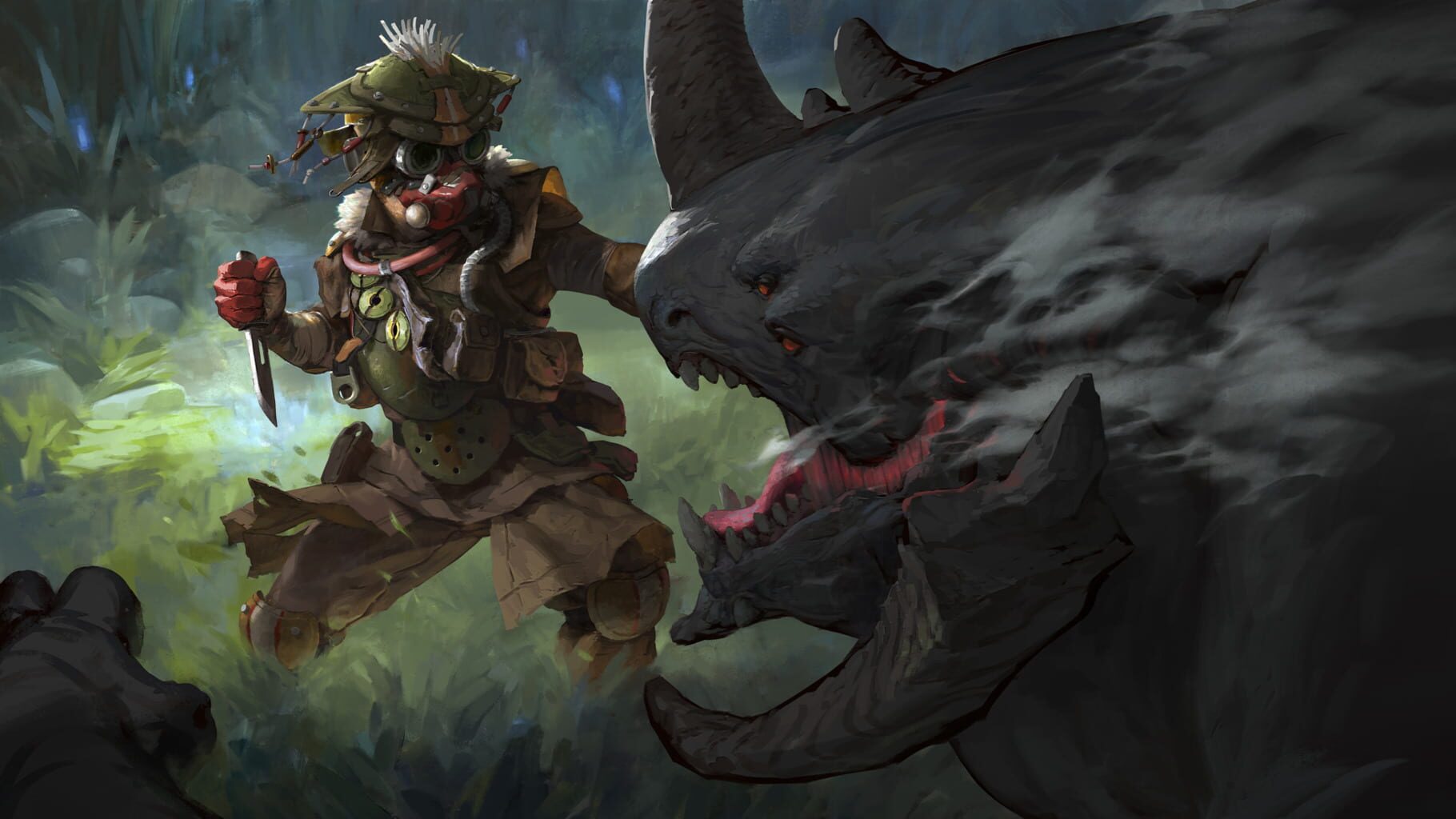
It’s rare to see a shooter with this much "edge" also lead the pack in inclusivity. The roster isn't just a bunch of generic soldiers; it’s a group of "Legends" with backstories that actually matter to the fans. The game features several LGBTQ+ characters and a wide range of ethnic backgrounds, and notably, these traits aren't treated as "special events" or marketing gimmicks. They are just part of who the characters are. For a genre that can often feel like a monochrome military fantasy, this diversity makes the world feel lived-in and modern.
The Seasonal Commitment
Like almost every major title in 2026, Apex runs on a seasonal model. This is where the "free" price tag starts to feel a bit more expensive. Each season brings a new Battle Pass, which dangles limited-time skins and items in front of players.
The psychological hook here isn't just the money; it’s the time. To unlock the best rewards, players have to put in serious hours before the season ends. It turns gaming into a checklist of chores. If you notice your kid playing not because they’re having fun, but because they "have to finish the pass," it’s a good time to check out the reality of season-pass economics. It’s easy for a fun hobby to start feeling like a second job if they’re constantly chasing the next shiny digital jacket.