

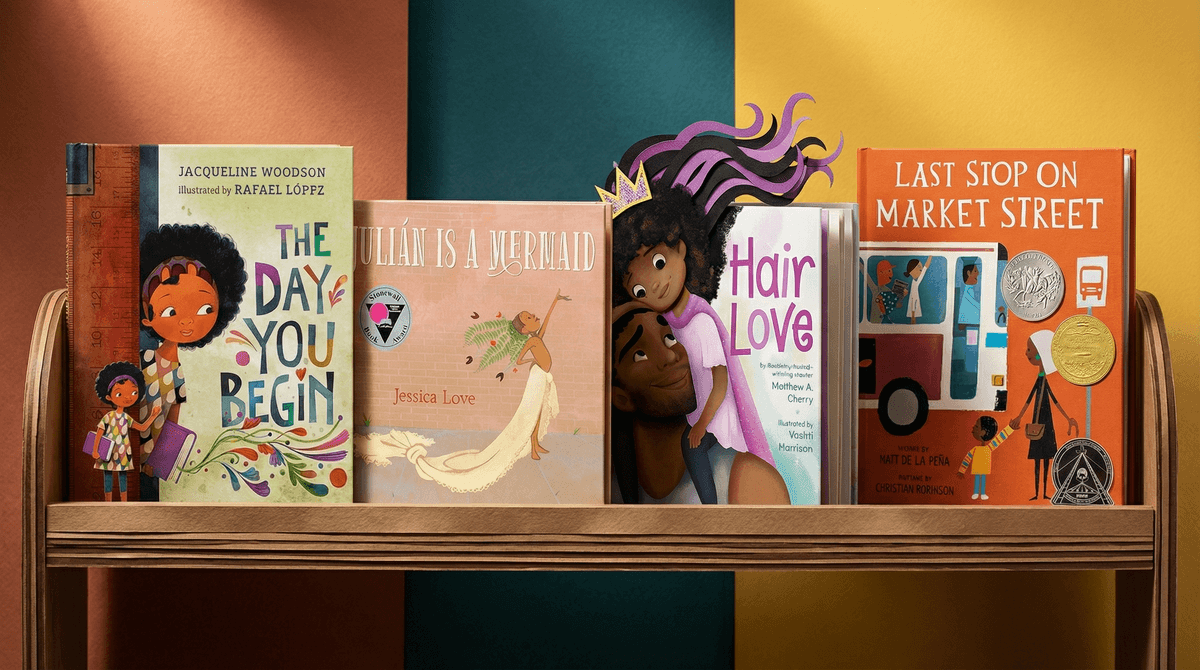
Let's be real: if your kid's bookshelf looks like a monoculture of white protagonists having adventures in suburban America, they're missing out on like 90% of the human experience. A diverse bookshelf isn't about checking boxes or meeting some quota—it's about giving kids access to stories that reflect the actual world they live in, where their classmates have different family structures, skin colors, languages at home, and ways of moving through the world.
And here's the thing: diverse books aren't just for kids from marginalized communities. Yeah, it's crucial for a Black kid to see themselves as the hero, or for a kid with two moms to find their family reflected in stories. But it's equally important for kids from majority backgrounds to read about experiences different from their own. Empathy isn't something you're born with—it's built through exposure to different perspectives.
The good news? We're living in a golden age of diverse children's literature. The bad news? The default recommendations from algorithms, school book fairs, and even well-meaning relatives still tend to skew pretty homogeneous.
Research shows that kids who read diverse books develop stronger empathy, better critical thinking skills, and more nuanced understanding of social issues. But beyond the academic benefits, there's something simpler at play: stories shape how kids see themselves and others.
When a kid only sees one type of person as the protagonist, the scientist, the leader, the hero—they internalize that. And when they never see people like themselves in stories, they internalize that too. This isn't abstract theory; it's how narrative works on developing brains.
Plus, let's be honest: diverse books are often just better. Fresh perspectives lead to more interesting stories. A middle grade adventure set in Lagos is going to hit different than the 47th book about a white kid at summer camp. Not that there's anything wrong with summer camp books—but variety makes for better readers.
Stop relying on bestseller lists alone. The publishing industry has made progress, but bestseller lists still overrepresent certain voices. Here's what actually works:
Use Better Resources
- We Need Diverse Books (diversebooks.org) maintains curated lists by age, identity, and theme
- The Conscious Kid has book lists specifically focused on social justice themes
- Common Sense Media lets you filter by representation (race, gender, disability, LGBTQ+ characters)
- Your local librarian is literally trained in this and will have better recommendations than Amazon's algorithm
Look for #OwnVoices (or "Authentic Voices")
Books written by authors from the communities they're writing about tend to have more authentic, nuanced representation. A book about a Deaf protagonist written by a Deaf author is going to capture details and perspectives that an outsider might miss. This isn't gatekeeping—it's just acknowledging that lived experience matters.
Check the Publishing Date
Honestly, be cautious with "diverse" books published before 2010. Not that older books can't be great, but representation has evolved significantly. That "groundbreaking" book from 1995 might have tropes that haven't aged well.
Picture Books (Ages 3-7):
- Last Stop on Market Street by Matt de la Peña—urban life, intergenerational relationships, finding beauty in everyday moments
- Hair Love by Matthew A. Cherry—Black father-daughter relationship, natural hair
- Julián Is a Mermaid by Jessica Love—gender expression, imagination, accepting families
- The Day You Begin by Jacqueline Woodson—feeling different, finding connection
Early Readers (Ages 6-9):
- Ivy + Bean series by Annie Barrows—interracial friendship, different personalities
- Juana & Lucas by Juana Medina—Colombian-American experience, bilingual family
- King and the Dragonflies by Kacen Callender—Black rural Louisiana, grief, LGBTQ+ themes
- Front Desk by Kelly Yang—Chinese immigrant experience, economic hardship, resilience
Middle Grade (Ages 8-12):
- New Kid by Jerry Craft—Black kid at predominantly white private school, code-switching, microaggressions
- Other Words for Home by Jasmine Warga—Syrian refugee experience, identity, belonging
- Ghost by Jason Reynolds—Black boy dealing with trauma, found family, track team
- The Crossover by Kwame Alexander—twin brothers, basketball, family dynamics, written in verse
- Amina's Voice by Hena Khan—Pakistani-American Muslim girl, cultural identity, friendship
Young Adult (Ages 12+):
- The Poet X by Elizabeth Acevedo—Afro-Latina teen, slam poetry, religious family
- Aristotle and Dante Discover the Secrets of the Universe by Benjamin Alire Sáenz—Mexican-American boys, LGBTQ+ identity, friendship to romance
- They Both Die at the End by Adam Silvera—Latinx and Black gay protagonists, mortality, chosen family
- Children of Blood and Bone by Tomi Adeyemi—West African-inspired fantasy, magic, oppression
Tokenism is real. One diverse book on a shelf of 50 isn't actually diversity—it's performative. Aim for at least 30-40% of your kid's reading to include diverse voices and perspectives.
"Issue books" aren't the only option. Yes, books about racism, immigration, and discrimination are important. But kids from marginalized communities also deserve fun adventure stories, silly comedies, and romance where their identity isn't the central conflict. Look for diverse books across all genres .
.
Representation quality matters more than quantity. A book that includes a disabled character as inspiration porn or a gay best friend who exists only to support the straight protagonist isn't actually good representation. Look for stories where diverse characters have agency, complexity, and their own narrative arcs.
Don't make it weird. You don't need to announce "Now we're reading a DIVERSE book!" Just... read the book. Let the story speak for itself.
But also don't ignore it. If your kid asks questions about cultural practices, family structures, or experiences in the book that differ from your family's, engage with it. "Yeah, their family celebrates different holidays than we do. What do you think that celebration might feel like?"
Model curiosity, not saviorism. The goal isn't to teach your kid to pity people with different experiences—it's to normalize the reality that people live differently and that's just... how the world is.
Building a diverse bookshelf isn't a one-time project—it's an ongoing practice. You're not going to get it perfect, and that's fine. The point is to be intentional about expanding the range of voices, experiences, and perspectives your kid encounters through stories.
Start with what your kid already loves and branch out from there. Into fantasy? Find fantasy by diverse authors. Love graphic novels? There are incredible diverse graphic novels. Sports stories? Jason Reynolds has you covered.
And honestly? Once you start actively seeking out diverse books, you'll probably find they become your favorites too. Fresh perspectives make for better stories, period.
- Audit your current bookshelf: What percentage of books feature diverse protagonists? What's missing?
- Ask your librarian for recommendations based on what your kid already loves
- Follow diverse book creators on social media for ongoing recommendations
- Let your kid lead: Pay attention to which diverse books resonate with them and find similar titles
Explore age-appropriate book recommendations or find books by specific themes and identities.