The power of the "silent" page
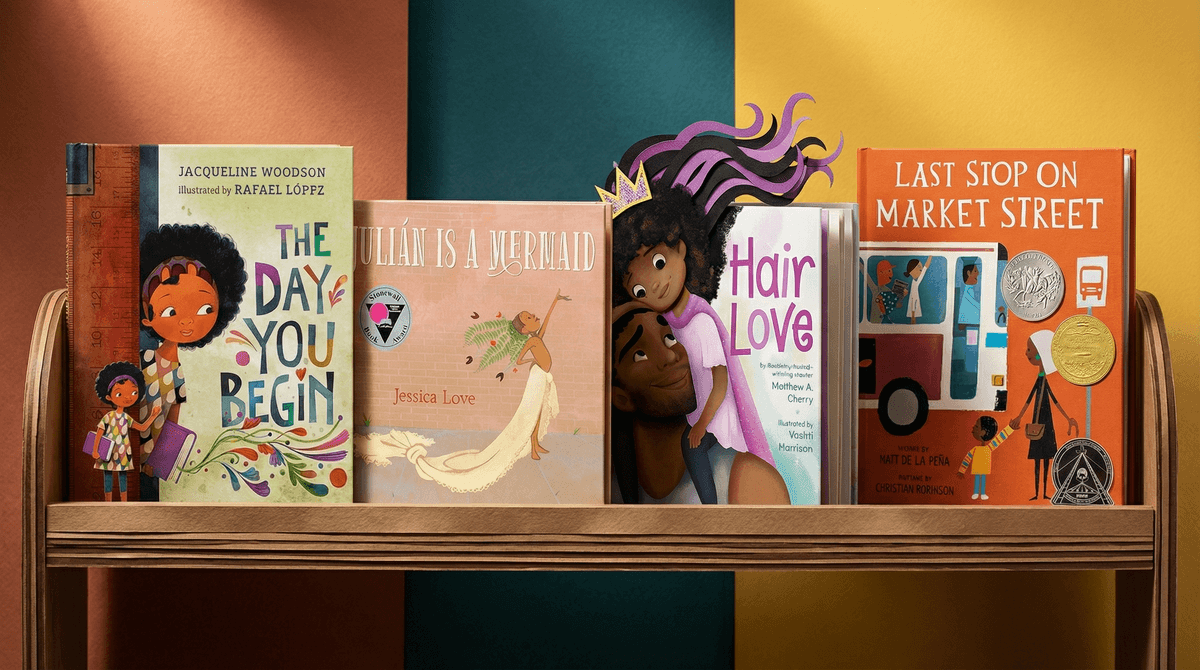
Most picture books are chatty. They over-explain the lesson or lean heavily on rhyme to keep a toddler’s attention. Julián Is a Mermaid does the opposite. Jessica Love relies on the art to do the heavy lifting, and the result is cinematic. There are long stretches where Julián is just observing—the "fabulous" women on the subway, the way water moves, the transformation of a living room into an underwater kingdom.
This lack of dialogue makes it a perfect pick for building your preschooler’s first library. Because the text is sparse, you aren't just reading at your kid; you’re looking with them. You’ll find yourself pointing at the "butter-yellow" curtain or the "fronds of a potted fern" and asking what they see. It’s an active experience that rewards kids who have a high visual IQ but might get wiggly during a text-heavy story.
The Abuela pivot
The tension in this book is brief but real. When Julián’s grandmother walks back into the room and finds him dressed in her curtains with her plants on his head, there is a beat of silence. In a lesser book, this is where the "lesson" would start. The adult would give a speech about being yourself or, conversely, a lecture about making a mess.
Instead, the grandmother walks away, returns with a pearl necklace, and says, "For me?" No, she says it’s for him.
It is the ultimate "yes, and" parenting move. She doesn't just tolerate his imagination; she elevates it. If you’re looking for books with positive role models, don't overlook the grandmother here. She provides a blueprint for how to handle those "out of left field" moments of childhood self-expression with grace rather than confusion.
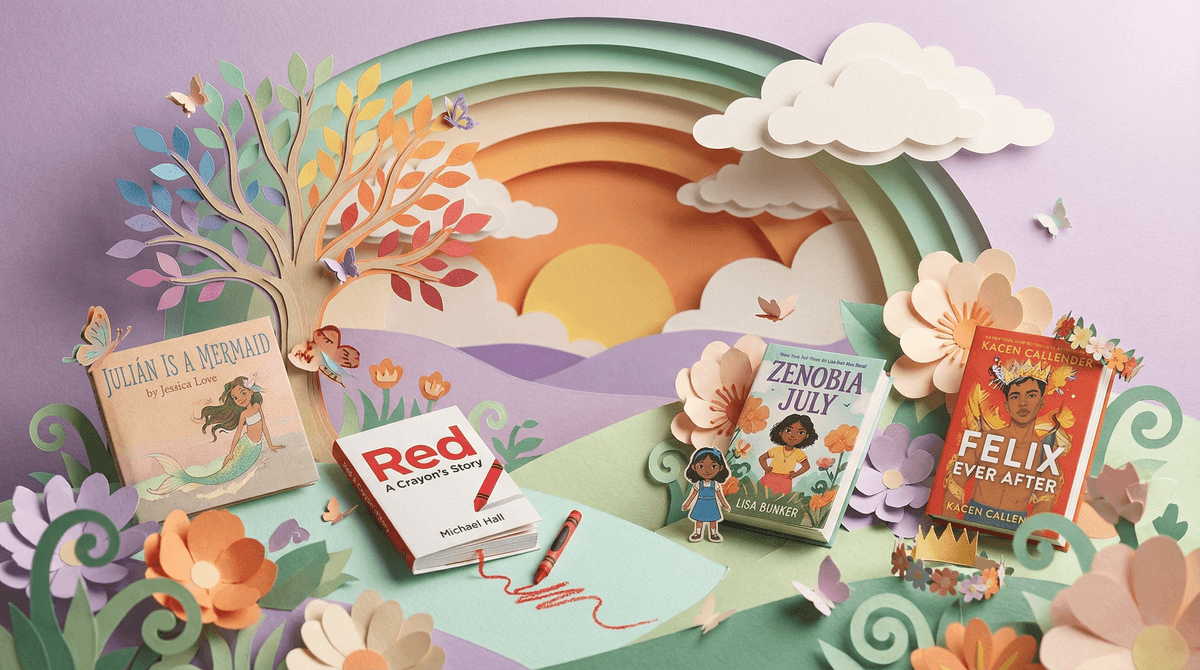
If you liked "Red: A Crayon's Story"
If your household is already a fan of Red: A Crayon's Story, Julián is the natural next step. While Red uses a metaphor to talk about identity, Julián Is a Mermaid is grounded in the real world. It’s less about "who am I inside?" and more about "how do I show the world what I love?"
It’s a subtle distinction, but an important one for parents navigating books about gender expression and identity. Julián isn't necessarily making a definitive statement about his future; he’s a kid who saw something beautiful and wanted to be part of it. Whether your kid identifies with the gender themes or just really likes the idea of wearing a tail, the book meets them exactly where they are.
Why it sticks
There’s a reason this book has a 4.9 on Amazon and a stack of awards. It manages to be vibrant without being loud. The watercolor palette on that earthy, brown-paper background gives the whole thing a warm, vintage feel that stands out against the neon, digitally-rendered books that dominate the shelves today. It’s a book that feels like an heirloom from the moment you open it.
It’s also one of the few stories that captures the specific magic of a city—the subway, the neighborhood characters, the block party—and makes it feel as enchanted as a fairy tale. It’s a short read, but you’ll find yourself lingering on the pages long after the "mermaids" have marched past.