The Stress of the Silence
If you’re expecting a fast-paced shooter where you mow down waves of walkers, you’re looking at the wrong app. This isn't Left 4 Dead. The "action" here usually involves a frantic timer appearing on screen while two characters argue about who gets the last of the food. You have about four seconds to decide, and the game is designed to make sure there is no right answer.
The genius of the Telltale system is the "Clementine will remember that" notification. It’s a simple text pop-up, but it carries more weight than any high-score leaderboard. When you lie to a fellow survivor to keep the peace, and that little notification appears, you immediately feel the social floor drop out from under you. It turns a zombie game into a high-stakes social simulation. If you want to understand the mechanics behind this better, our guide to Hard Choices and Interactive Drama: A Parent’s Guide to Telltale-Style Gaming breaks down why this format is so addictive for players who prefer stories over reflexes.
The Redemption of Lee Everett
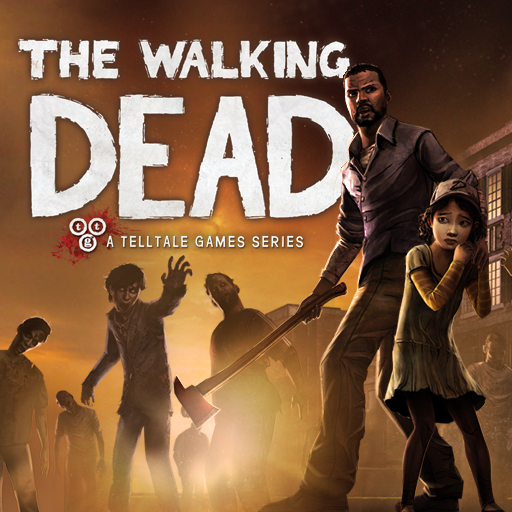
You play as Lee Everett, a man who starts the game in the back of a police cruiser. The game doesn't ask you to be a hero; it asks you how much of your humanity you're willing to trade to keep a little girl alive. The relationship between Lee and Clementine is the only reason this game works. Without that emotional anchor, the constant misery and gore would feel like torture porn.
Because you’re playing as a guy with a dark past, every decision feels like a step toward or away from redemption. Do you teach Clementine how to use a gun? Do you let her see the worst parts of the world so she’s prepared, or do you shield her and risk her being too soft to survive? These aren't just plot points—they are the game. For a deeper look at whether the specific character arcs are appropriate for your teenager, check out The Walking Dead: Clementine—Can Your Teen Handle This Zombie Saga?.
Technical Friction and Portability
This version was optimized for the NVIDIA SHIELD and TegraZone, and while it runs on various Android devices, it definitely shows its age. The art style uses a "comic book" aesthetic with heavy black outlines, which helps mask the fact that the animations can be a bit stiff by 2026 standards.
- In-App Purchases: The first episode is often the hook, but remember that Episodes 2 through 5 (and the 400 Days DLC) are separate purchases. If your kid is playing this, they will be hitting you up for the Season Pass within two hours.
- Performance: On older Android hardware, you might see some stuttering during the "Quick Time Events" (the parts where you have to tap the screen rapidly to kick a zombie). If the game lags there, Lee dies. It’s frustrating, but the checkpoints are usually generous.
- The "Show" vs. The "Game": Teens often argue that if they can watch the AMC show, they can play the game. It’s worth noting that the game is often more intimate with its violence. You aren't just watching a character make a bad choice; you are the one clicking the button to do something potentially horrific.
If you’re looking for something similar but perhaps less bleak, you might look into other narrative-driven games that offer high-stakes choices without the constant threat of being eaten alive. But if you want the gold standard for "interactive movies" that actually make you feel something, this is still the one to beat.