

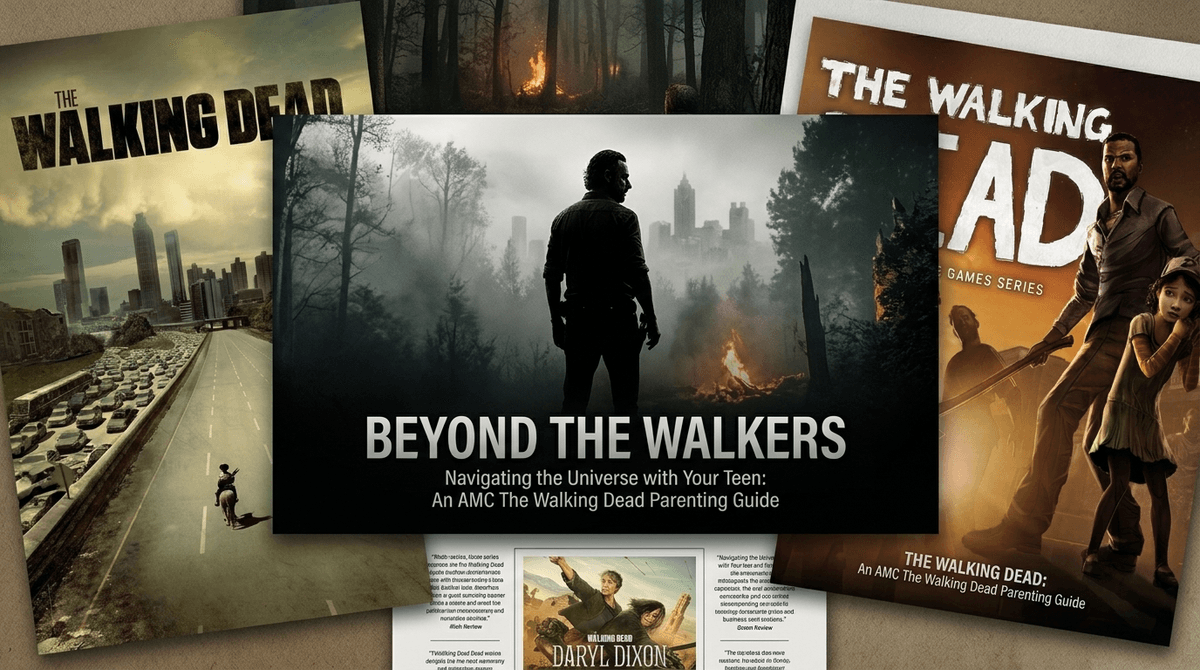
TL;DR: The Walking Dead is a masterclass in survival horror and "what would you do?" ethics, but it is extremely violent. We’re talking decapitations, rotting flesh, and humans doing horrific things to other humans. Generally, this is a 15+ universe. If your kid is younger but obsessed with zombies, consider The Last of Us (still heavy, but more prestige-drama) or lower-stakes games like Plants vs. Zombies.
Get a zombie media roadmap for your teen
By 2026, The Walking Dead isn't just a show; it's a sprawling ecosystem of content. It started as a comic book series by Robert Kirkman, exploded into an 11-season flagship show on AMC, and has since birthed about half a dozen spin-offs, multiple video games, and a massive cult following.
The premise is simple: the world ends via a "walker" (zombie) outbreak. But the show isn't really about the zombies. It’s about the people left behind. It asks the question: When the rules of society disappear, do we stay human, or do we become monsters to survive?
It’s compelling because it’s a "zombie soap opera." You get attached to characters over years, and then—because this is The Walking Dead—they probably die in a horrific way.
There is a specific age—usually around 13 or 14—where kids become fascinated by the "end of the world." It’s a survivalist fantasy. They like to imagine how they’d lead a group, what weapons they’d use (shoutout to Michonne’s katana and Daryl’s crossbow), and how they’d navigate a world without school or chores.
It also taps into that "Ohio" energy—the weird, the uncanny, and the slightly gross. For a generation raised on Roblox horror games and Skibidi Toilet absurdity, the practical effects and gore of The Walking Dead feel like the "final boss" of scary content.
This is the mothership. Eleven seasons of grit.
- The Vibe: High-stress, emotional, and visually repulsive.
- The Parent Warning: Season 7, Episode 1 ("The Day Will Come When You Won't Be") is arguably one of the most violent hours of television ever aired. It involves a character named Negan and a baseball bat. If your teen is sensitive to "hopeless" or "cruel" violence, this is the hard stop.
- Age: 15+
If you want your teen to actually learn something about empathy and entrepreneurship (in a weird way), this is the one. It’s a "choose your own adventure" game.
- The Vibe: It’s like an interactive movie. The choices the player makes (e.g., "Do I save the person with the gun or the person with the food?") have permanent consequences.
- Why it's good: It forces kids to think about the weight of leadership. It’s less about "aim for the head" and more about "how do I take care of this little girl, Clementine, in a broken world?"
- Age: 14+
One of the newer spin-offs that takes the fan-favorite character to France.
- The Vibe: A bit more cinematic and "prestige" than the later seasons of the main show. It feels like a fresh start.
- Age: 15+
This was specifically marketed as a "YA" (Young Adult) version of the universe. It follows a group of teenagers who grew up behind walls and venture out for the first time.
- The Vibe: Honestly? A bit "brain rot" compared to the original. It’s less intense, but also less well-written. If you have a 13-year-old who really wants in on the franchise, this is the "entry drug."
- Age: 13+
Check out our guide on the best zombie shows for teens
When we talk about "The Walking Dead parental guide," we have to look past the zombies. The zombies are just rotting meat. The real issues are:
1. The Gore Factor
This isn't cartoon violence. It’s practical effects—intestines, crushed skulls, decaying skin. If your kid still gets nightmares from Stranger Things, they are not ready for this. The Walking Dead prides itself on finding new, disgusting ways to kill people (and walkers).
2. The Moral Grey Areas
The "heroes" do bad things. They execute people. They steal. They abandon others to die. For a younger kid who still sees the world in "good guys vs. bad guys," this can be confusing or even depressing. For an older teen (16+), these are actually great conversation starters about ethics and situational morality.
3. The "Negan" Problem
There are themes of psychological torture, cult-like leadership, and sexual coercion (implied, though not usually shown graphically) in later seasons. It gets dark. Not just "spooky" dark, but "humanity is a mistake" dark.
Learn more about how to vet mature content for your specific teen's maturity level
If you decide to let your teen watch, don't just leave them to binge-watch 177 episodes alone. Use it as a bridge. This show is a goldmine for "intentional parenting" moments:
- Leadership Styles: Compare Rick Grimes (the democratic leader who loses his way) to Shane (the "survival at all costs" guy) or Negan (the dictator). Ask your teen: "Who would you follow? Why?"
- The Value of Community: The show repeatedly proves that "lone wolves" die. Survival requires a team with different skills—doctors, fighters, farmers, and even the "annoying" people who keep morale up.
- Resource Management: This is where the Roblox or Minecraft skills come in. Talk about how they manage food, ammo, and trust.
- The Comics vs. The Show: The Walking Dead comics are actually more brutal than the show. They feature even more graphic depictions of assault and mutilation. If they’re reading the books, keep an eye out.
- VR Gaming: The Walking Dead: Saints & Sinners on Meta Quest is a very popular VR title. Warning: Stabbing a zombie in the head in VR feels a lot different than watching it on a screen. The immersion factor triples the intensity. I’d save the VR experience for 16+.
- YouTube Fandom: Be aware that searching for Walking Dead clips will lead them to "Top 10 Most Brutal Deaths" videos, which condense all the worst parts into a 10-minute gore-fest.
The Walking Dead is a cultural touchstone for a reason. It’s high-stakes storytelling that explores the darkest corners of the human heart.
For Middle Schoolers (Ages 11-13): It’s a no from me. It’s too much. If they want the "vibe," try The Last of Us (the game) or even Wednesday for something spooky but manageable.
For Younger Teens (Ages 14-15): Maybe, with heavy supervision and skipping the "Negan" peak-gore episodes. Start with The Walking Dead: World Beyond to test the waters.
For Older Teens (16+): They’ve likely already seen clips on TikTok. Use the show as a way to talk about philosophy, ethics, and why society is worth saving.
- Watch the pilot episode ("Days Gone Bye") with them. It’s essentially a short movie and will tell you everything you need to know about your kid's tolerance for the show's tone.
- Check out the Telltale game. If you’re going to engage with this universe, the Telltale series is the most "Screenwise-approved" version because it prioritizes character growth and moral decision-making over mindless slaughter.
- Set a "Gore Limit." If it gets to be too much, have an agreement that you’ll switch to something lighter, like The Good Place, to cleanse the palate.