Snap Circuits is a rare 'buy it once' win. In an era where 'educational' usually means 'stick a tablet in front of them,' this is refreshingly physical.
It’s one of the few toys that scales with the child. A 6-year-old might just like making the siren go off, but a 10-year-old will start to understand why the capacitor delays the light. It’s high-quality, high-reward, and zero-screen. If you're looking to spark an interest in how the world actually works, start here.
Age Fit
The 'Jr.' sets are perfect for 5-7 year olds with a little help, while the standard kits keep 8-12 year olds (and honestly, curious adults) occupied for hours.
WISE Breakdown
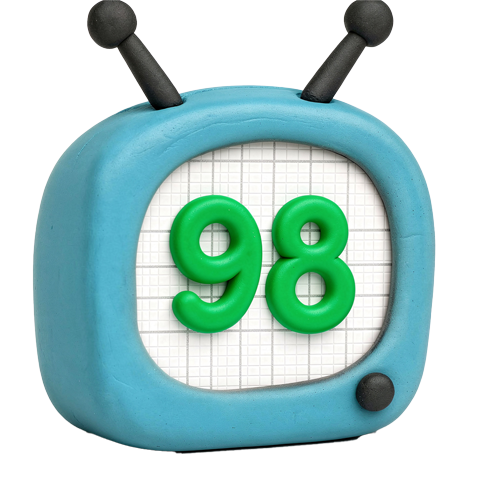
Wholesome
98
It is essentially the gold standard for collaborative, low-stress educational play. No hidden agendas, no toxic competition, just pure 'hey look, I made a light turn on.'
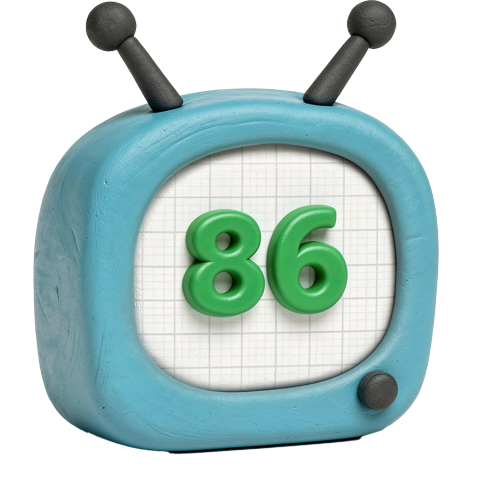
Imaginative
92
While the instruction manuals are the primary draw, the modular 'snap' nature encourages kids to deviate and invent their own gadgets once they understand the logic.
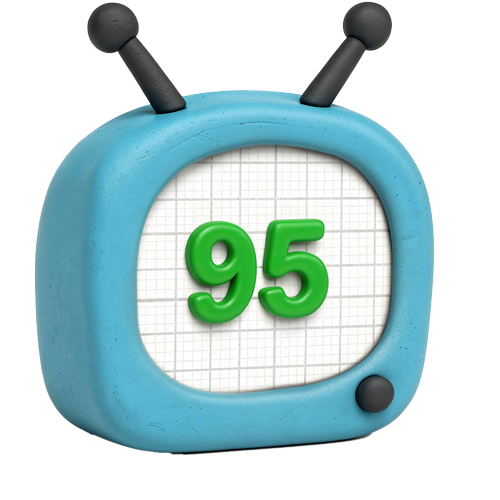
Safe
95
Built-in fuse technology prevents short circuits from getting dangerous. It's safe for the intended age, though small parts are a standard choking hazard for toddlers.
Enriching
98
This isn't 'STEM-lite.' It teaches actual circuit logic, polarity, and engineering principles in a way that sticks because it's tactile.
Parent Info
✓
Why It Might Be Great
Tactile 'snap' feedback makes building satisfying and eliminates the frustration of loose wires.
Projects actually do something cool immediately, like launching a fan or playing a radio station.
The manual is visual and easy to follow, allowing kids to work independently without a parent hovering.
It’s incredibly durable; these sets often survive multiple siblings and years in the toy bin.
Teaches logical troubleshooting—if the light doesn't turn on, you have to find the break in the chain.
⚠
What to Watch For
The 'Snap Circuits Jr.' set is great, but kids can blow through the 100 projects faster than you’d think.
Batteries are almost never included, and a motor-heavy project will chew through AAs if left on.
The tiny black jumper wires and specialized pieces (like the whistle chip) are easily lost in carpet.
Conversation Starters
"Why do you think the light only turns on when the switch is closed?"
"If we take out this resistor, what do you think will happen to the fan speed?"
"Can you design a circuit that uses two different triggers to set off the alarm?"
"What's the difference between a series circuit and a parallel one now that you've built both?"