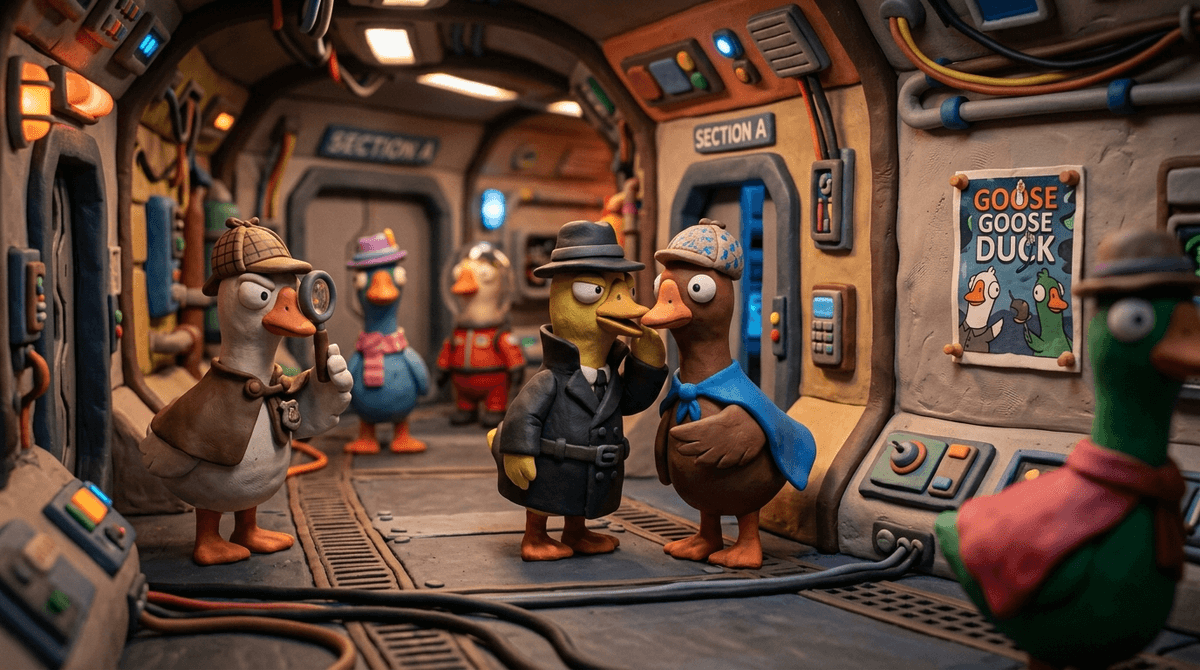
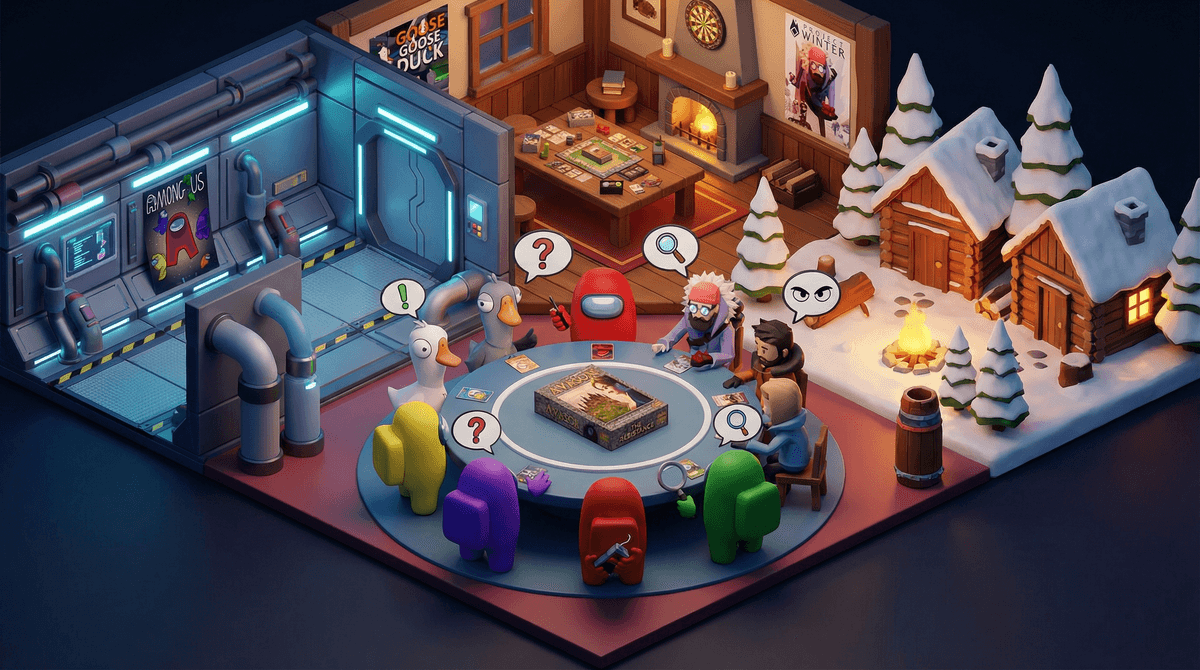
Goose Goose Duck takes the social deduction mechanics of Among Us and dials up both the complexity and the noise. With unique character roles, specialized map objectives, and built-in proximity voice chat, it provides a surprisingly clever logic puzzle when played with a group of friends.
The major catch is public play. The core appeal relies heavily on proximity voice chat, which in open matchmaking is a wild west of profanity, slurs, and hostile behavior.
If your kid plays strictly in password-protected lobbies with classmates, it is a fun workout in deduction and public speaking. Step into public lobbies with open voice chat, and you are effectively handing them an open phone line to total strangers.
Age Fit
Best for kids 10 and up, provided play is restricted to private lobbies with real-world friends. Public matchmaking with open voice chat is an unmoderated toxicity hazard for younger kids.
WISE Breakdown
Wholesome
42
The premise centers on lying, betrayal, and cartoonish elimination animations with blood, alongside crude humor in cosmetics and player interactions.
Imaginative
68
Offers deep role mechanics beyond basic task completion, encouraging strategic bluffing, spatial awareness, and creative problem-solving.
Safe
30
Unmoderated proximity voice chat in public lobbies exposes kids to toxic language and strangers, alongside cosmetic microtransactions.
Enriching
52
Develops social deduction, verbal persuasion, and critical logic, though chaotic public lobbies frequently undermine the collaborative value.
Parent Info
✓
Why It Might Be Great
Deeper role mechanics give players specialized bird abilities like the Vulture or Dodo, adding real strategy beyond simple task-running.
Proximity voice chat makes private games with real-life friends hilariously intense as you hear someone's voice fade away when they get eliminated.
High replayability comes from a large collection of maps, game modes, and custom lobby rules.
⚠
What to Watch For
Public proximity chat puts kids in unmoderated voice calls with adult strangers who routinely drop slurs, scream, or troll.
ESRB Teen content includes cartoon blood, stabbing, and crude humor during elimination animations.
Cosmetic microtransactions drive constant FOMO with endless duck hats, outfits, and pet accessories for sale.
Conversation Starters
"How do you tell if someone is bluffing when you hear them in proximity chat?"
"What is the funniest role to play, and why does the Dodo win by getting voted out?"
"If someone starts acting toxic in a public lobby, what is your plan to mute them or switch rooms?"
Deep Dive
Beyond the Among Us Clone
When Goose Goose Duck arrived, it looked like a quick reskin of Among Us. But by adding proximity voice chat natively into the game and introducing a large cast of neutral roles—like the Pelican who swallows players whole or the Dodo who wins by getting intentionally voted out—it established a chaotic identity of its own.
The Proximity Chat Hazard
The feature that makes the game entertaining with friends is the exact thing that makes it risky with strangers. Proximity voice chat means you hear other players get louder as they walk up to your character and fade out as they walk away. In a lobby full of middle-school classmates, that mechanic creates hilarious moments. In a public lobby, it means random adults can walk up to your child's character and shout whatever they want directly into their headset.
There are text-only settings and mute options, but kids rarely want to play Goose Goose Duck quietly—the verbal deception is the draw.
Setting It Up Right
If you allow this game, account configuration matters more than the age label.
Lock down lobby hosting: Show your kid how to set up password-protected private games so only invited friends can join.
Disable open voice chat: If they join public rooms, turn off voice chat in the settings so they rely on text, or handle voice communication through party apps where you already control their friend list.
Establish a walk-away rule: Social deduction games reward lying, which means arguments can spill over into real-life group chats if friends take a betrayal personally.