The Classroom Secret Weapon
GoNoodle didn't blow up via the YouTube algorithm; it conquered elementary school smartboards first. Teachers use these three-minute "brain breaks" to transition between math and reading, or to survive indoor recess when it's pouring rain. If your kid is in kindergarten through third grade, there is a high statistical probability they already know all the words to "Banana Banana Meatball" or "Milkshake."
Because it's structured like a variety network rather than a single show, the vibe shifts wildly depending on which sub-group is on screen:
- Blazer Fresh: Three guys in blazers doing genuinely catchy hip-hop and pop routines about everything from punctuation to making a giant quesadilla. This is the undisputed heavy hitter for ages 6–9.
- Moose Tube: Pure camp-counselor energy. Call-and-response chants with goofy hand motions that work great for younger kids (4–6) who can't follow fast choreography yet.
- NTV (Noodle Television) & Kidz Bop: Straightforward dance-along choreography to pop songs.
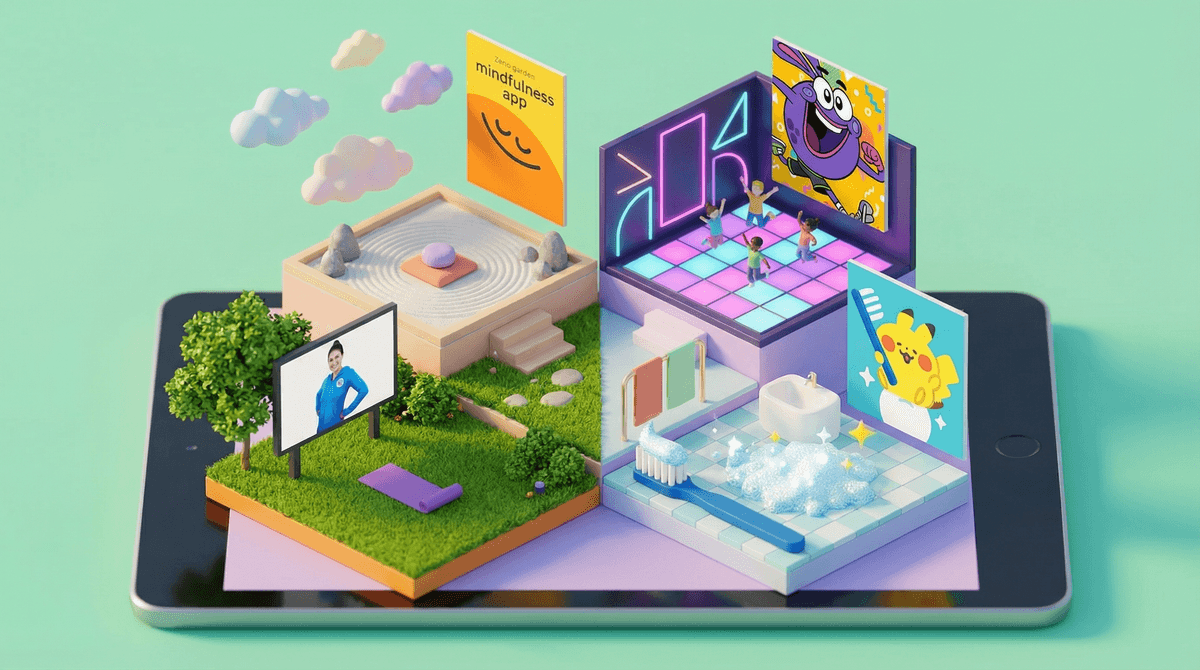
- Flow & Rainbow Breath: The calm-down wing of the catalog. Guided stretching, yoga poses, and visual breathing exercises designed to bring a room's heart rate back down to earth.
How to Use It Without Losing Your Mind
The biggest mistake with GoNoodle is treating it like normal TV where you hand over the remote and walk away. Because the videos are only three minutes long, a kid holding an iPad will end up clicking through dozens of thumbnails in twenty minutes, turning an active movement tool into a frantic tapping session.
Put it on the biggest screen in the house—the living room TV—and treat it like a three-song arcade game. Pick two high-energy tracks to burn the zoomies out, finish with one stretching or breathing video to land the plane, and then turn the TV off. Better yet, do the choreography with them; watching an adult try to keep up with Blazer Fresh is half the fun for a 6-year-old.