

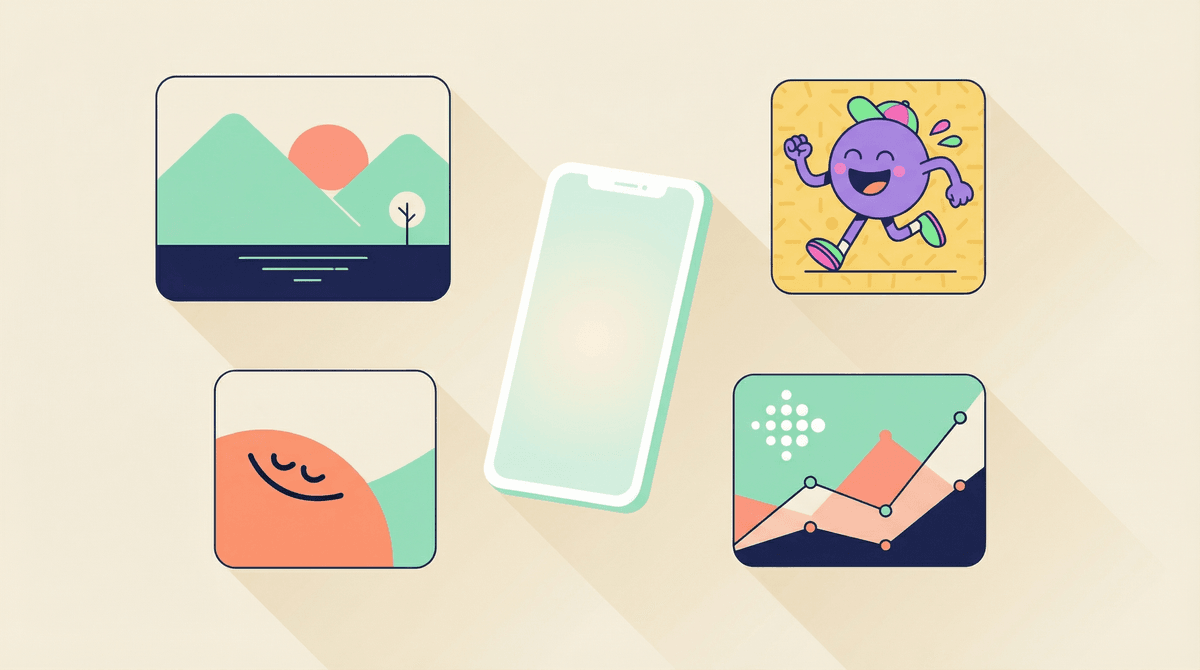
Health apps for kids cover everything from fitness trackers that count steps to meditation apps that teach breathing exercises, plus sleep trackers, hydration reminders, nutrition logs, and even period trackers for tweens. Some come built into wearables like the Apple Watch or Fitbit, while others are standalone apps promising to turn your kid into a wellness warrior.
The pitch sounds great: teach kids healthy habits early, make fitness fun, build body awareness. And honestly? Some of these tools genuinely help. But we're also handing children devices that quantify their bodies in ways that can get... complicated.
Here's the thing: health apps aren't neutral. They come with built-in assumptions about what "healthy" means, and those messages land differently on an 8-year-old than they do on a 38-year-old.
A step counter might motivate one kid to go outside more. For another kid—especially one already anxious about their body or performance—it becomes a source of stress. Did I hit my goal? Why didn't I? What's wrong with me?
We're also seeing kids as young as 9 or 10 using apps designed for adults, tracking calories or logging workouts with the intensity of someone training for a marathon. Some research suggests that early exposure to diet culture through tracking apps correlates with disordered eating patterns, especially in girls.
And then there's the data. These apps collect a lot of information about your child's body, habits, location, and routines. Where does that data go? Who sees it? What's it used for?
Not all health apps are problematic. Some are genuinely helpful:
Meditation and mindfulness apps like Headspace and Calm have kids' sections with age-appropriate breathing exercises and sleep stories. These can be great tools for anxious kids or bedtime routines.
Movement-based apps that focus on fun rather than metrics—think dance challenges, yoga games, or activity adventures—can encourage physical activity without the pressure of hitting numbers.
Period tracking apps designed specifically for tweens (like Dot Girl or Period Tracker Lite) can help kids understand their cycles without the shame or confusion. Just make sure you're choosing one that's actually designed for young users, not an adult fertility app.
The key difference? Apps that focus on how your body feels rather than how it performs tend to be healthier for kids.
Ages 5-8: Skip the tracking entirely. At this age, kids should be learning to listen to their bodies—when they're hungry, tired, or need to move—not checking an app for permission. If you want to encourage activity, try apps that make movement playful, like GoNoodle (which schools use for brain breaks).
Ages 9-12: This is when some kids start getting curious about fitness trackers, especially if friends have them. If you go this route, choose devices or apps that emphasize movement over metrics. Avoid anything with calorie counting or weight tracking. Period trackers are fine here if your kid is menstruating, but talk through what the app does and doesn't need to know.
Ages 13+: Teens can handle more sophisticated tracking, but this is also the age when body image issues peak. Have honest conversations about why they want to use a health app. Is it genuine interest in training for a sport? Or is it anxiety about their body? The answer matters. If they're using a fitness tracker, turn off social comparison features and any notifications that feel shame-y.
Data privacy is a mess. Many health apps—even ones marketed to kids—collect and sell user data. Before downloading anything, check:
- Does it require an account? (More data collection)
- What permissions does it request? (Location, camera, contacts?)
- Is there a privacy policy you can actually read?
- Does it have ads or in-app purchases?
Social features can backfire. Some apps let kids compare steps, workouts, or "streaks" with friends. For competitive kids, this can quickly become unhealthy. Look for apps that let you disable social features.
Watch for diet culture language. If an app talks about "burning off" food, "good" vs. "bad" foods, or weight loss for kids, delete it immediately. Kids do not need to be thinking about their bodies this way.
You don't need an app to teach healthy habits. Seriously. Kids learn more from watching you move your body joyfully, eat a variety of foods without guilt, and rest when you're tired than they'll ever learn from a tracker.
If your kid is asking for a fitness tracker, dig into why. Sometimes it's just because their friend has one (classic). Sometimes they're genuinely interested in a sport and want to track progress. And sometimes—especially for kids who are already anxious or perfectionistic—it's a red flag worth exploring.
Check in regularly. If your kid is using a health app, ask them to show you what they're tracking and how they feel about it. Are they stressed when they don't hit a goal? Are they skipping activities they used to love because they "don't count" for steps? These are signs the app isn't helping.
Consider alternatives. Want to encourage movement? Go on family walks. Sign them up for a sport or dance class they actually enjoy. Get a dog (okay, that's a big commitment, but dogs are excellent fitness motivators). Want to teach mindfulness? Try a podcast like Peace Out or just practice deep breathing together before bed.
Health apps for kids aren't inherently bad, but they're not inherently good either. They're tools, and like any tool, they can be used well or poorly.
The best approach? Start without them. Build healthy habits through modeling, conversation, and real-world experiences. If you do decide to try a health app, choose one that emphasizes joy and body awareness over numbers and performance. Check in often, and be ready to pull the plug if it's causing more stress than benefit.
And if you're feeling pressure because other kids have Fitbits or your kid's school is pushing wellness tracking? Take a breath. You're allowed to say no. You're allowed to wait. You're allowed to prioritize your kid's mental health over their step count.
- Talk to your kid about what "being healthy" means to them (and share what it means to you)
- If you're considering a health app, try it yourself first to see what messages it sends
- Set clear boundaries around what gets tracked and what doesn't (hint: weight and calories are off-limits for kids)
- Check your own relationship with health tracking—kids pick up on our anxieties about bodies and food
Want to explore more about screen time and wellness? Or wondering how to talk to kids about body image in the digital age? We've got you.