

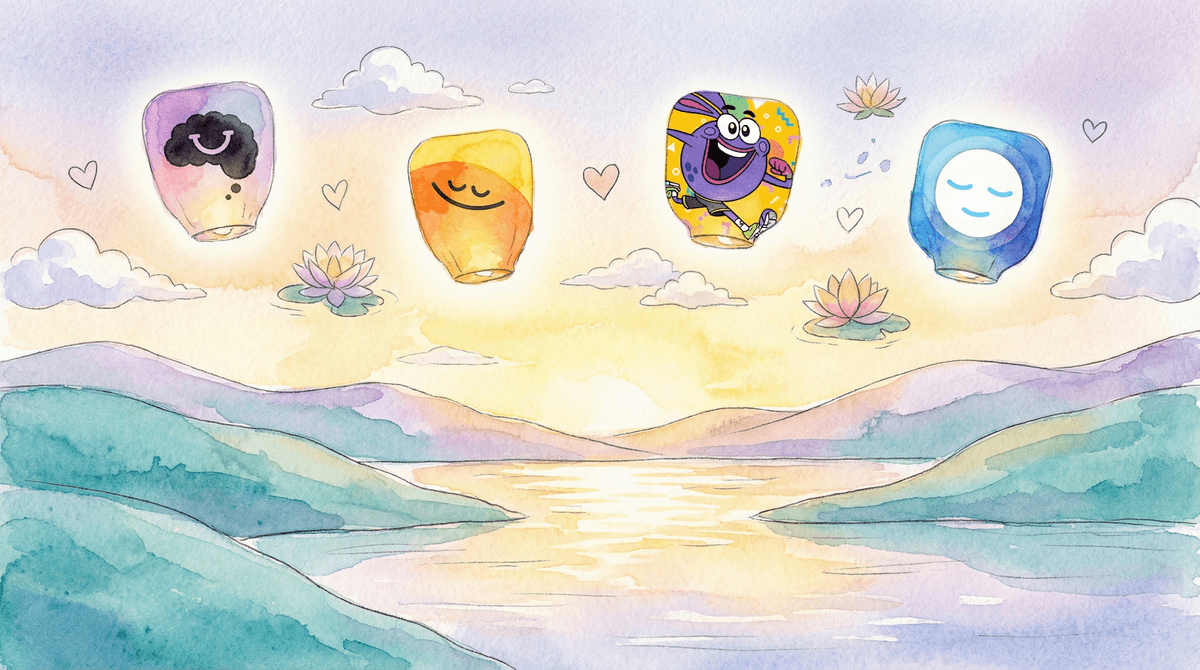
Look, we're all trying to figure out how to help our kids exist in a world where their phones can either be a gateway to doomscrolling and comparison spirals, or actually... helpful? Revolutionary concept, I know.
Wellness websites for kids and teens are digital resources specifically designed to support young people's mental health, teach mindfulness practices, build emotional intelligence, and develop healthy habits. Think of them as the antidote to the "everything is terrible and also here's what 47 influencers ate for lunch" content that dominates their feeds.
The best ones don't feel like sitting in a guidance counselor's office circa 1997. They're interactive, genuinely engaging, and meet kids where they are—which is online, whether we like it or not.
Here's what we're dealing with: teen anxiety and depression rates have been climbing for over a decade, and the pandemic basically poured gasoline on that fire. Meanwhile, kids are spending 7-9 hours a day on screens (not counting schoolwork), and a lot of that time is... not great for their mental health.
But here's the thing—screens aren't going away. So instead of just wringing our hands about it, we can actually point kids toward digital spaces that teach them how to recognize anxiety, practice gratitude, understand their emotions, and build resilience.
The irony isn't lost on me that we're using screens to teach kids how to be healthier about screens, but honestly? If that's what works, let's do it.
For Elementary and Middle School (Ages 6-13)
GoNoodle – If you've got a kid who needs to move, this is it. Short movement and mindfulness videos that don't feel preachy. Teachers love it, kids actually use it, and it's a solid way to break up screen time with... different screen time that involves jumping jacks. The app version is great too.
Headspace for Kids – The main Headspace app has a kids section with meditations and mindfulness exercises designed for younger humans. The animations are actually cute (not cringe), and sessions are short enough that kids won't bail halfway through. Ages 5+ can use it with some parent guidance; by 8-9, many kids can navigate it independently.
Smiling Mind – Free, Australian-developed, and legitimately good. It's got age-specific programs from 3 to 18+, so you can actually grow with it. The interface is clean, there are no ads, and it teaches actual mindfulness techniques without the wellness-industrial-complex vibes.
PBS Kids – Not specifically a "wellness" site, but their games and videos about emotions, friendship, and problem-solving are solid. Shows like Daniel Tiger's Neighborhood literally teach emotional regulation through songs. "When you feel so mad that you want to roar, take a deep breath and count to four." It works.
For Teens (Ages 13+)
Teen Line – Teens helping teens. It's a hotline and text service where trained teen volunteers (supervised by licensed therapists) talk to other teens. The website has resources on everything from depression to LGBTQ+ issues to relationship problems. It's peer-to-peer support, which for many teens feels way more accessible than talking to adults.
7 Cups – Free, anonymous emotional support through trained listeners. Not therapy, but a place to vent and get support when you're struggling. There's also a teen-specific section. Just know: listeners are volunteers, not licensed professionals, so this is for support, not crisis intervention.
Mindful.org – Articles, practices, and guided meditations that don't talk down to teens. They cover everything from test anxiety to social media stress to sleep issues. The content is evidence-based without being boring, which is a genuine achievement.
The Jed Foundation (jedfoundation.org) – Mental health and suicide prevention resources specifically for teens and young adults. Their "Set to Go" program helps teens transition to college, and they have excellent resources on recognizing depression, managing stress, and supporting friends who are struggling.
Calm Harm – Technically an app, but worth mentioning. It's designed to help teens manage the urge to self-harm using DBT (dialectical behavior therapy) techniques. If your teen is struggling with self-harm, this is a research-backed tool that can help bridge the gap between crisis moments and getting professional help.
For Learning About Mental Health
The Trevor Project – If you have an LGBTQ+ teen, this is essential. Crisis intervention, suicide prevention, and mental health resources. Their website has educational content for both teens and parents.
Active Minds – Mental health awareness and education, particularly around the college transition. Great for high schoolers who are thinking about college and want to understand mental health resources available to them.
Anxiety Canada – Their youth section has practical, evidence-based tools for managing anxiety. The "MindShift" app (also from Anxiety Canada) is excellent for teens dealing with worry, panic, perfectionism, and social anxiety.
These aren't substitutes for therapy. If your kid is really struggling—like, can't get out of bed, talking about self-harm, grades tanking, friendships falling apart—they need professional help. These websites are tools for building skills and finding support, not replacements for actual mental health treatment.
Some of these require accounts. Talk to your teen about privacy. Most reputable wellness sites don't sell data, but it's worth having that conversation. For younger kids, set up accounts together.
Not everything will click. Your kid might think meditation is boring or mindfulness is weird. That's okay. The goal is exposure to different tools so they can figure out what actually helps them. Some kids love guided breathing exercises; others would rather punch a pillow or go for a run. All valid.
Check in, but don't hover. If your teen is using a wellness app or website, that's great. You don't need to monitor every session or ask "how was your meditation?" every day. The goal is giving them tools they can use independently.
Crisis resources are different. If your kid is in crisis—suicidal thoughts, self-harm, severe panic—these websites have crisis resources, but you should also know about the 988 Suicide & Crisis Lifeline (call or text 988) and the Crisis Text Line (text HOME to 741741). Save these numbers now.
Most of these websites are genuinely safe and well-moderated, but a few things to know:
Community features – Sites like 7 Cups have peer support communities. That can be amazing, but it also means your teen is talking to strangers on the internet. Make sure they understand basic internet safety: don't share personal information, don't agree to meet anyone in person, and tell you if anyone makes them uncomfortable.
Self-diagnosis spirals – The internet can be great for learning about mental health, but it can also lead to teens self-diagnosing everything from ADHD to personality disorders based on TikTok videos. These websites are generally evidence-based, but talk to your teen about the difference between learning about mental health and assuming they have every condition they read about.
Triggering content – Some mental health websites discuss heavy topics (self-harm, suicide, eating disorders). Most have content warnings, but be aware that your teen might encounter difficult material. That's not necessarily bad—sometimes teens need to know they're not alone—but it's worth checking in.
We can't bubble-wrap our kids from the realities of mental health struggles, and frankly, the internet is where they're going to look for help whether we guide them or not. So let's guide them toward the good stuff.
These websites aren't perfect, and they're not magic. But they're tools. They teach skills. They normalize conversations about mental health. And in a digital landscape that's often actively harmful to teen wellbeing, that's not nothing.
Start with one. Maybe explore it together. Ask your kid what they think. And remember: the goal isn't to fix everything with a website. The goal is to give them resources, normalize help-seeking, and show them that taking care of their mental health is just as important as taking care of their physical health.
Want to explore more? Check out our guides on managing screen time for mental health and talking to teens about social media and anxiety.