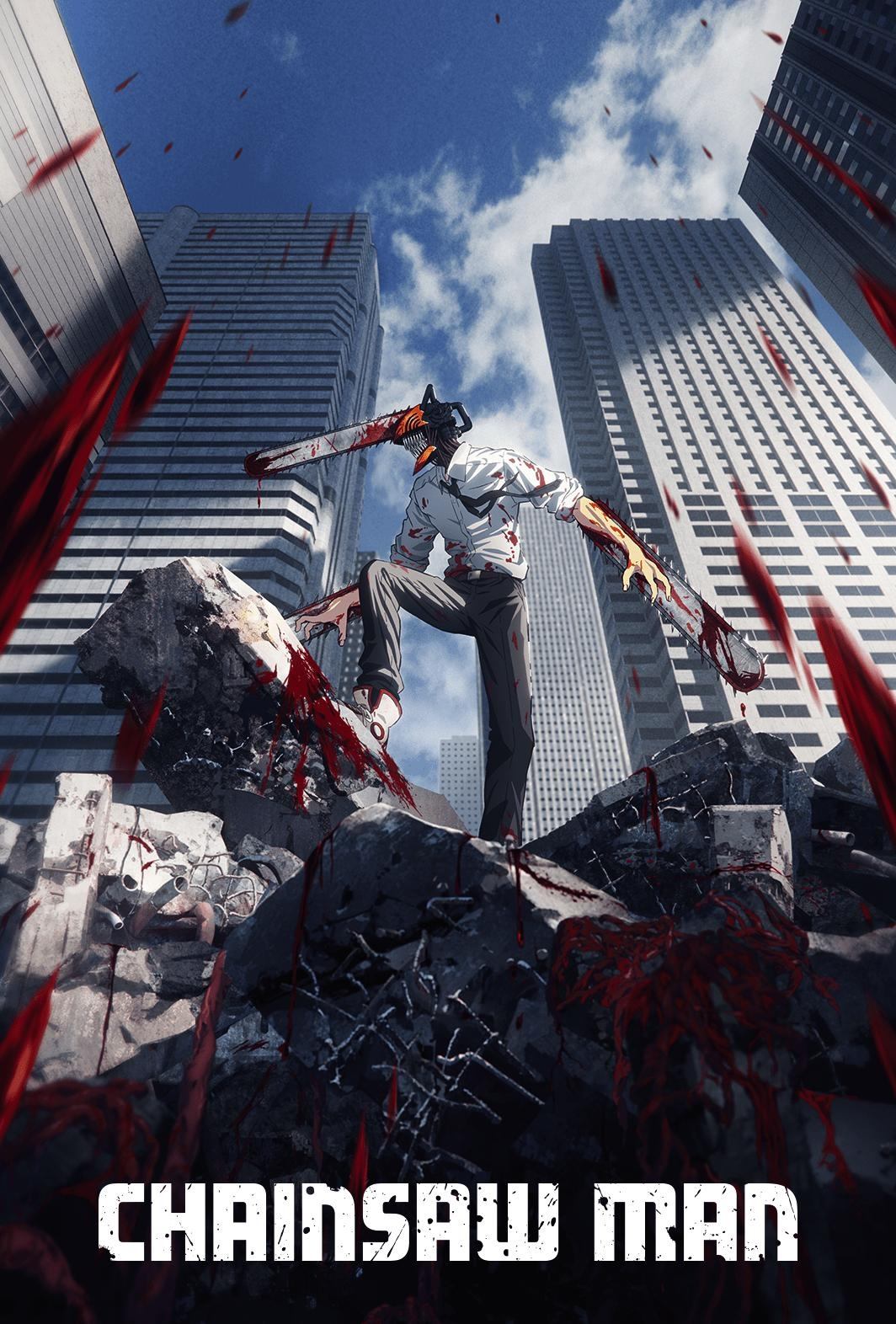
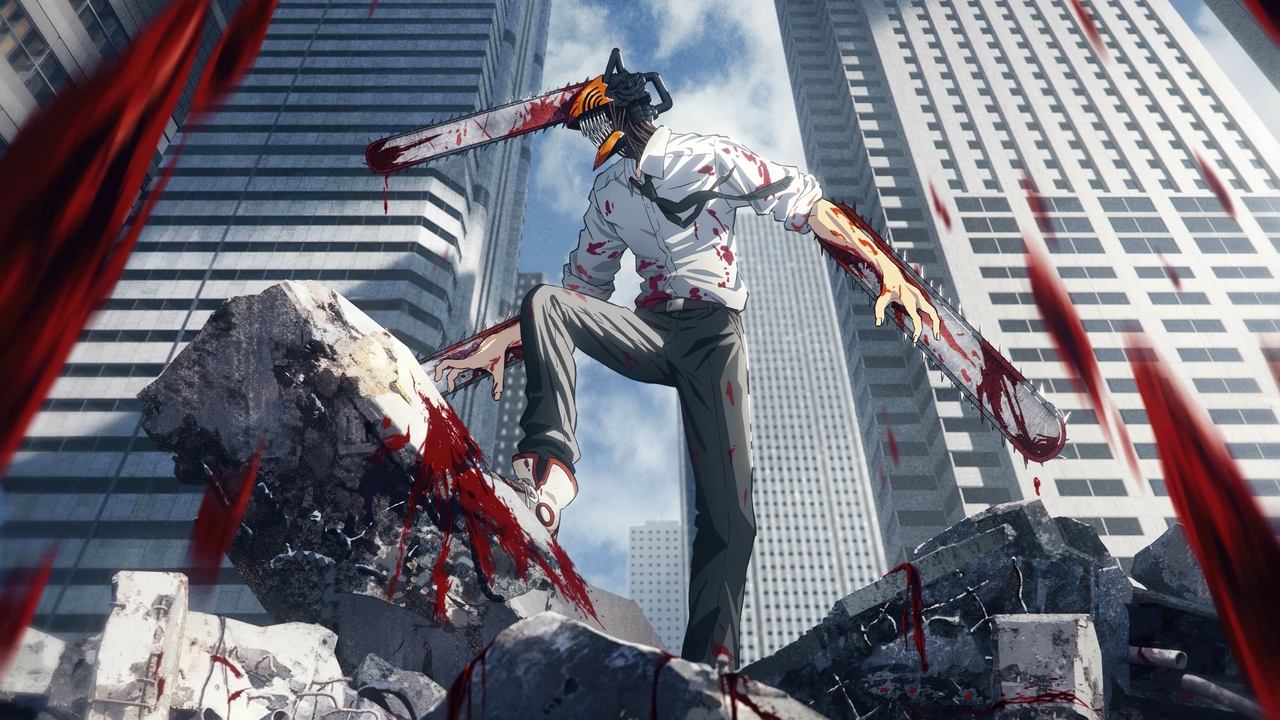
Grindhouse premise, art-house execution
When Chainsaw Man premiered in 2022, anime fans expected pure chaos to match Tatsuki Fujimoto's frantic, scratchy manga. Instead, director Ryū Nakayama gave the twelve-episode first season the pacing and camera language of live-action cinema. Characters mutter, talk over one another, and sit in awkward silences. A four-minute sequence in Episode 4 has zero dialogue—just Aki waking up, making breakfast for two terrible houseguests, and smoking a cigarette in peace before the chaos starts.
That contrast is why the show works. When the chainsaws rev up, the violence is feral, messy, and bone-crunching. When the blades retract, it is a surprisingly quiet character study about three deeply broken roommates trying to figure out how to be human.
The horniness is the plot (and the tragedy)
Parents checking a content guide will see flags for sexual content and assume Chainsaw Man is full of typical anime "fan service"—bouncy camera angles and gratuitous panty shots meant to titillate the viewer. It isn't.
Denji's obsession with girls and sex is the spine of his character arc, and the show plays it with uncomfortable realism. Because Denji was robbed of a childhood, he confuses physical intimacy with being loved and valued. Every time a woman offers him a crumb of affection, there is a hook inside it:
- Makima (his government handler) feeds him by hand, leans in close, and promises him "anything he wants" if he kills the Gun Devil, weaponizing a sixteen-year-old's crush to turn him into an obedient weapon.
- Himeno (a grieving, alcoholic senior hunter) gets drunk in Episode 7, vomits into his mouth during his first kiss, and drags him back to her bed—a sequence that plays as deeply sad and messy rather than sexy.
When Denji finally achieves his goal of copping a feel (in a bizarrely transactional bathroom negotiation with Power after saving her cat), his reaction isn't triumph. He sits alone by a vending machine, stunned by how empty the achievement feels, wondering if he lacks a human heart.
How it compares to the rest of the dark-shonen wave
Fans often group Chainsaw Man into the "Dark Trio" of modern shonen alongside Jujutsu Kaisen and Hell's Paradise, and the follow-up theatrical feature Chainsaw Man – The Movie: Reze Arc kept it near the top of the anime conversation. If your teen already watches Jujutsu Kaisen, the gore level here is slightly splashes-per-minute heavier, though less bleak than the back half of Attack on Titan. The difference is tone: Jujutsu Kaisen is about cool sorcerers fighting curses with intricate martial arts; Chainsaw Man is about desperate, underpaid civil servants trying not to die before they can collect their pension.