Lethal Pong in a Roblox Arena
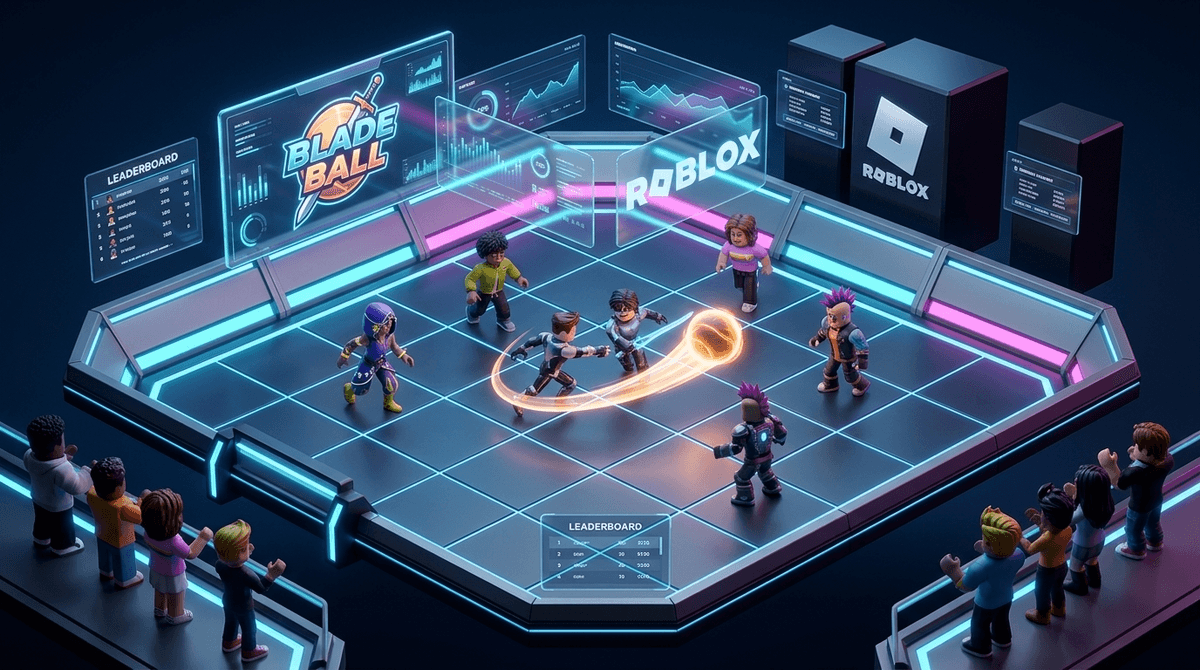
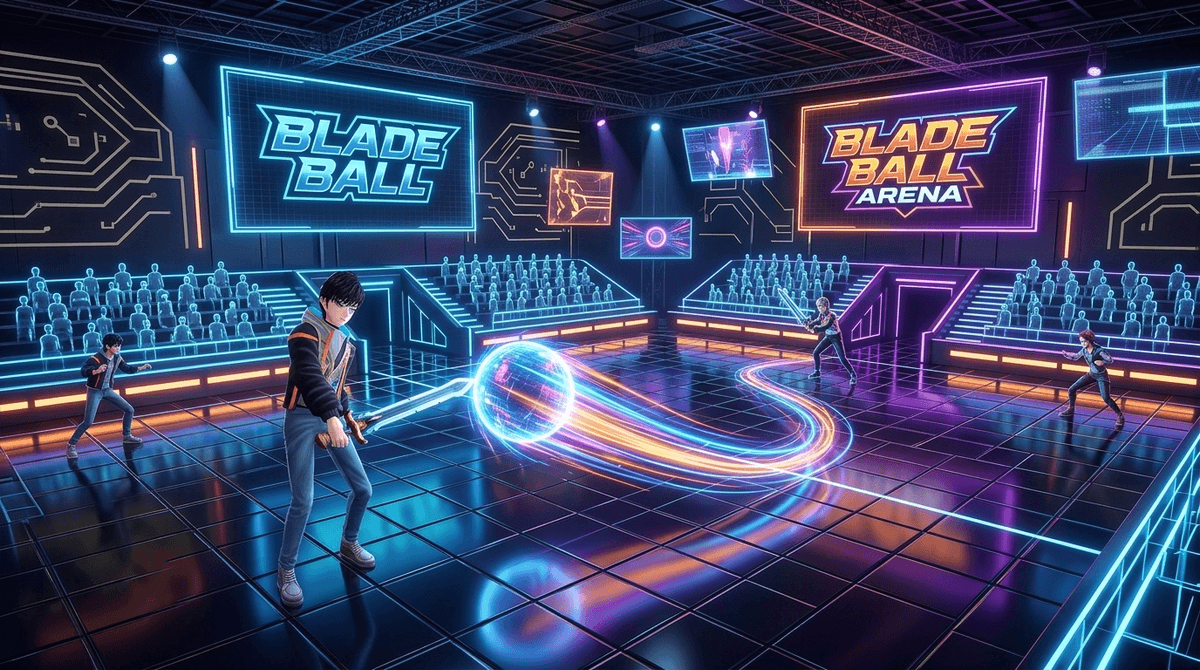
Strip away the custom sword animations and neon particle effects, and Blade Ball is essentially high-speed dodgeball. You stand in an arena with up to 15 other players, watching a glowing orb bounce between targets. When the ball turns red and heads for you, you press the block button. If your timing is right, the ball redirects to someone else at a higher velocity. If you miss, you get knocked out and wait for the next round.
Because rounds last two or three minutes, the game has a magnetic hold on kids looking for quick dopamine. It requires real spatial awareness, timing, and focus as the ball reaches ridiculous speeds near the end of a match.
The Status Economy and Gacha Pressure
Where Blade Ball crosses from a fun reflex game into headache territory for parents is its monetization layer. The lobby is structured around flex culture. Custom sword effects, death animations, and weapon skins don't make a player better at parrying, but they act as currency for standing out in front of peers.
To get the rarest cosmetics, the game uses gacha mechanics—wheels to spin, crates to open, and limited-time events that mimic real-world gambling. Upgrading passive abilities (like double jumps or forcefields) also pushes players toward either a long, deliberate grind or spending real dollars via Robux.
How to Handle It at Home
If Blade Ball is already in heavy rotation on your home devices, you don't necessarily need to pull the plug. Instead, treat it as a lesson in recognizing predatory game design:
- Turn off public chat: The global arena chat tends to get trash-talk heavy when players mess up an easy volley.
- Set a hard floor on Robux spending: Make it clear from the start that cosmetic sword skins are off-limits for real money.
- Monitor the tilt factor: The fast-defeat loop is custom-designed to provoke emotional reactions. If your kid is slamming the desk after losing a 50/50 deflection, it's time to take a break.