

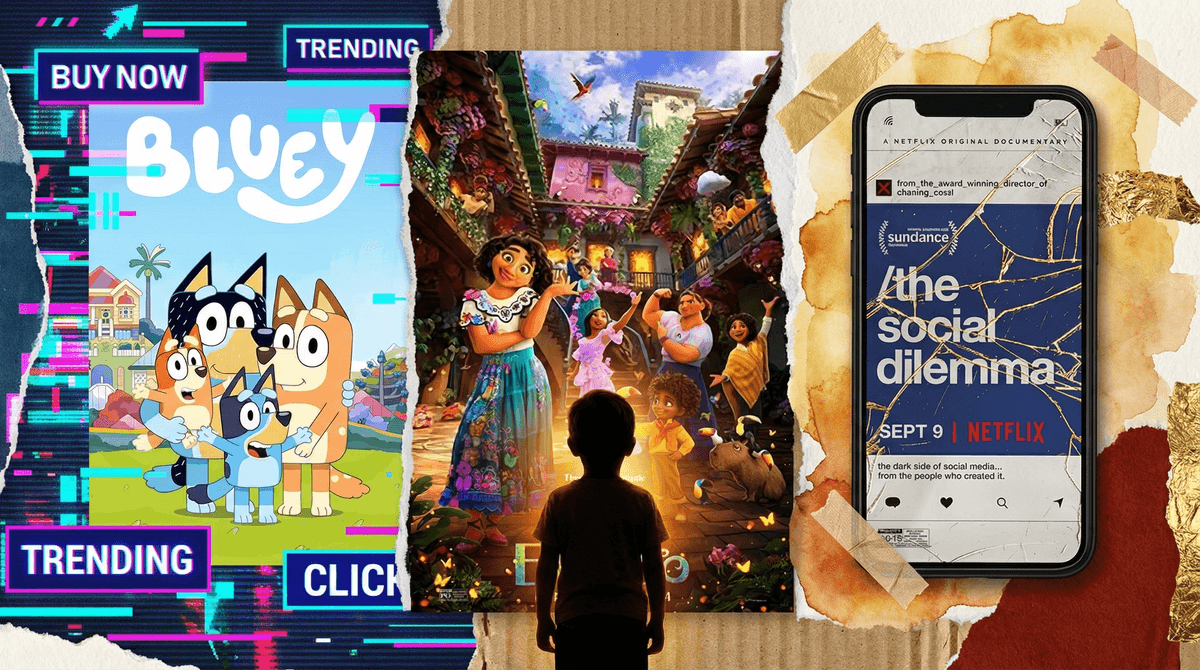
Look, we all know the cycle. Kid sees something on YouTube. Kid wants it immediately. Kid acts like their life will literally end without it. Rinse, repeat, spiral into existential dread about raising entitled humans.
But here's the thing: the same screens that fuel the "gimme" can actually help teach gratitude. I'm talking about using the media your kids are already consuming—movies, shows, YouTube videos, even their social feeds—as jumping-off points for real conversations about appreciation, perspective, and what actually matters.
This isn't about forcing your kid to watch some dusty after-school special about thankfulness. It's about getting strategic with what they're already watching and turning those moments into opportunities to shift from "I want" to "I have" without sounding like a Hallmark card.
Kids are consuming stories all day long. Whether it's Bluey, Minecraft YouTube videos, or whatever's trending on their feed—they're taking in narratives about what people have, want, and value.
The problem? A lot of that content is literally designed to make them want more stuff. Unboxing videos, haul content, influencer culture—it's a 24/7 commercial for dissatisfaction.
But media can also show:
- Characters who appreciate what they have
- Stories about loss that highlight what matters
- Perspectives from different circumstances
- The difference between needs and wants
- How experiences matter more than things
The key is being intentional about what you watch together and actually talking about it. Not in a lecture-y way, but in a "hey, did you notice..." kind of way.
Ages 4-7: Simple Stories, Big Feelings
At this age, gratitude is pretty concrete. They can understand "we're lucky to have this" even if they can't grasp complex privilege conversations yet.
What to watch:
- Bluey episodes like "Takeaway" (waiting for something makes it better) or "Markets" (appreciating what you have vs. always wanting more)
- Daniel Tiger's Neighborhood has multiple episodes about being thankful
- Encanto for talking about family and what makes people special beyond their "gifts"
How to talk about it: Keep it simple. "What do you think Bluey learned?" or "What's something you're happy we have?" Don't overthink it.
Ages 8-12: Building Perspective
This is the sweet spot for gratitude work. They're old enough to understand different perspectives but young enough that you still have influence over their media diet.
What to watch:
- The Mitchells vs. The Machines for family appreciation
- Turning Red for understanding parent sacrifice
- Avatar: The Last Airbender for perspective on privilege and responsibility
- YouTube channels like MrBeast (yes, really—his philanthropy videos can spark good conversations about helping others)
How to talk about it: Ask open questions: "Why do you think they made that choice?" "What would you do?" "How is their life different from ours?"
Ages 13+: Critical Thinking About Consumption
Teens are deep in social media comparison hell. They need help recognizing how curated everyone's feeds are and thinking critically about influencer culture.
What to watch:
- Everything Everywhere All at Once for perspective on parallel lives and choices
- The Social Dilemma for understanding how platforms manipulate desire
- Schitt's Creek for a whole show about people learning gratitude after losing everything
How to talk about it: Get real about influencer economics. "That person gets paid to make you want things. What do you think they're actually trying to sell?" Help them see the manipulation.
1. The Pause Button Is Your Friend
When a character gets something or loses something, literally pause. "How do you think they're feeling right now?" It breaks the passive consumption cycle.
2. Compare and Contrast
"Remember when [character] wanted that thing so badly? Did getting it actually make them happy?" Connect it to times your kid wanted something desperately and then forgot about it in a week.
3. Use Haul Videos as Teaching Moments
Your kid watches haul videos? Fine. Watch together and ask: "Do you think she actually needs all that?" or "How much do you think that cost?" Talk about how influencers make money and why they want you to buy stuff.
4. Create Your Own Gratitude Content
Have your kid make a video (just for family) about something they appreciate. It flips the script from consuming to creating, and from wanting to having.
5. Diversify Their Feed
If their YouTube algorithm is all unboxing and haul content, actively search for and watch different stuff together. Podcasts like Brains On! or Wow in the World focus on curiosity and learning rather than consumption.
Shaming them for wanting things. Kids are wired to want stuff, especially when algorithms are optimized to make them want stuff. Don't make them feel bad about it.
Forcing gratitude journaling while they're watching TV. That's just going to make them hate both activities.
Pretending you're immune. If you're scrolling Instagram coveting someone's kitchen renovation while lecturing about gratitude, they'll smell the hypocrisy from across the room.
You're not going to eliminate "I want" from your kid's vocabulary. That's not the goal. The goal is to help them develop a more balanced perspective where "I want" coexists with "I have" and "I'm grateful for."
Media isn't the enemy here—it's a tool. Used intentionally, it can expose your kids to different perspectives, spark meaningful conversations, and help them think critically about consumption culture.
The trick is being present enough to actually have those conversations. Which means sometimes you need to watch Bluey for the 47th time instead of scrolling your phone. (But honestly, Bluey slaps, so that's not exactly a hardship.)
-
Pick one show or movie you're already watching together and try pausing to ask one question about gratitude or perspective this week.
-
Check what's in their YouTube feed. Is it all consumption-focused? Search for alternatives
that spark curiosity instead of desire. -
Model it yourself. Mention things you're grateful for out loud. Point out when you chose not to buy something. Let them see your thought process.
-
Don't expect perfection. Some days your kid will still have a meltdown about not getting the new Roblox skin. That's normal. You're planting seeds, not expecting an instant gratitude garden.
Want more specific recommendations for your kid's age? Find age-appropriate shows that teach gratitude.