The messy reality of the "Panda" phase
If Inside Out is a map of a child’s internal emotional architecture, Turning Red is the demolition crew that comes in to remodel it for the teenage years. It is loud, sweaty, and occasionally cringey—which is exactly why it resonates. While some older Pixar entries aim for a universal "everyman" feel, this movie leans hard into the hyper-specific chaos of being a thirteen-year-old girl in 2002.
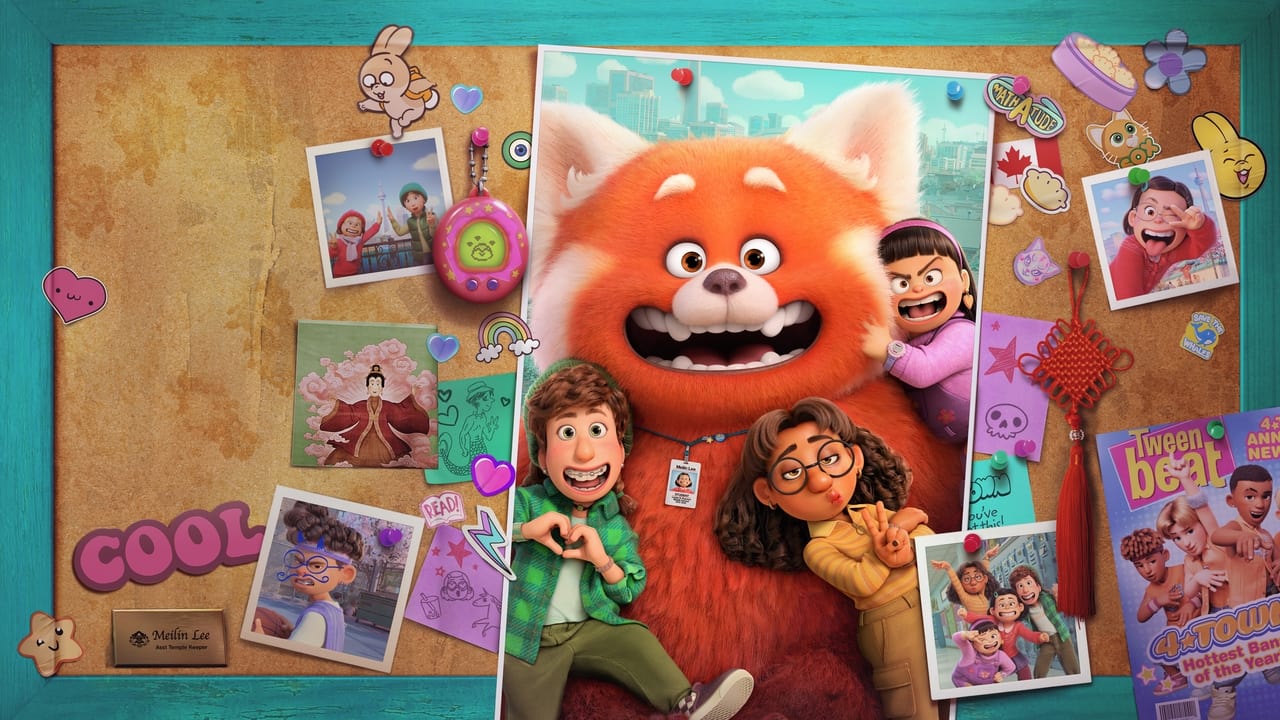
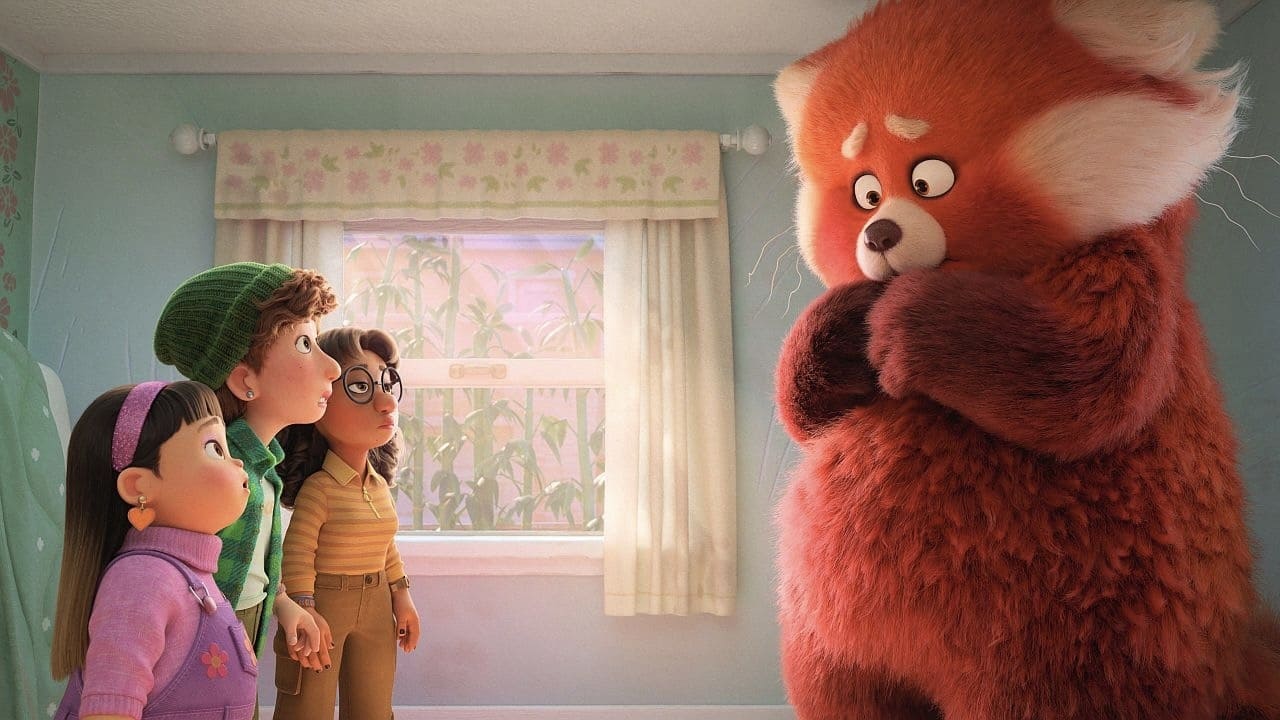
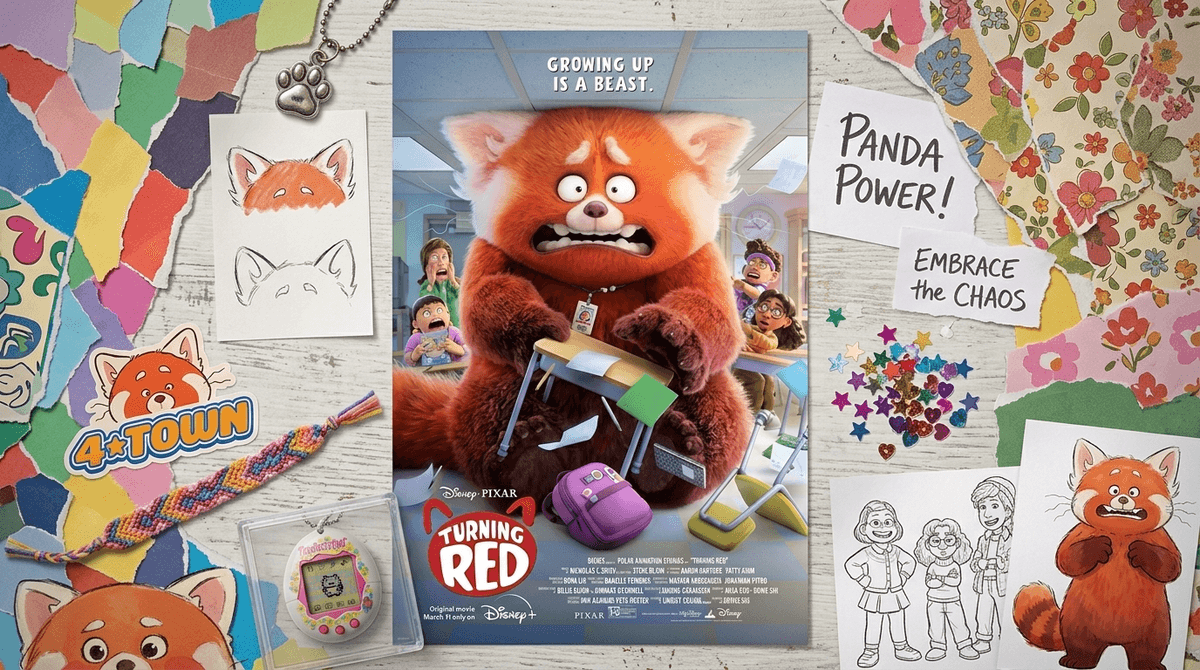
The central metaphor—a giant, smelly red panda that appears when emotions run high—is the most honest depiction of female puberty we’ve seen in mainstream animation. It isn't just about getting taller; it’s about the sudden, terrifying loss of control over your own body and temper. If your kid is starting to hit those age-appropriate coming-of-age stories, this is the definitive text on the subject.
Why the "disrespect" is actually the point
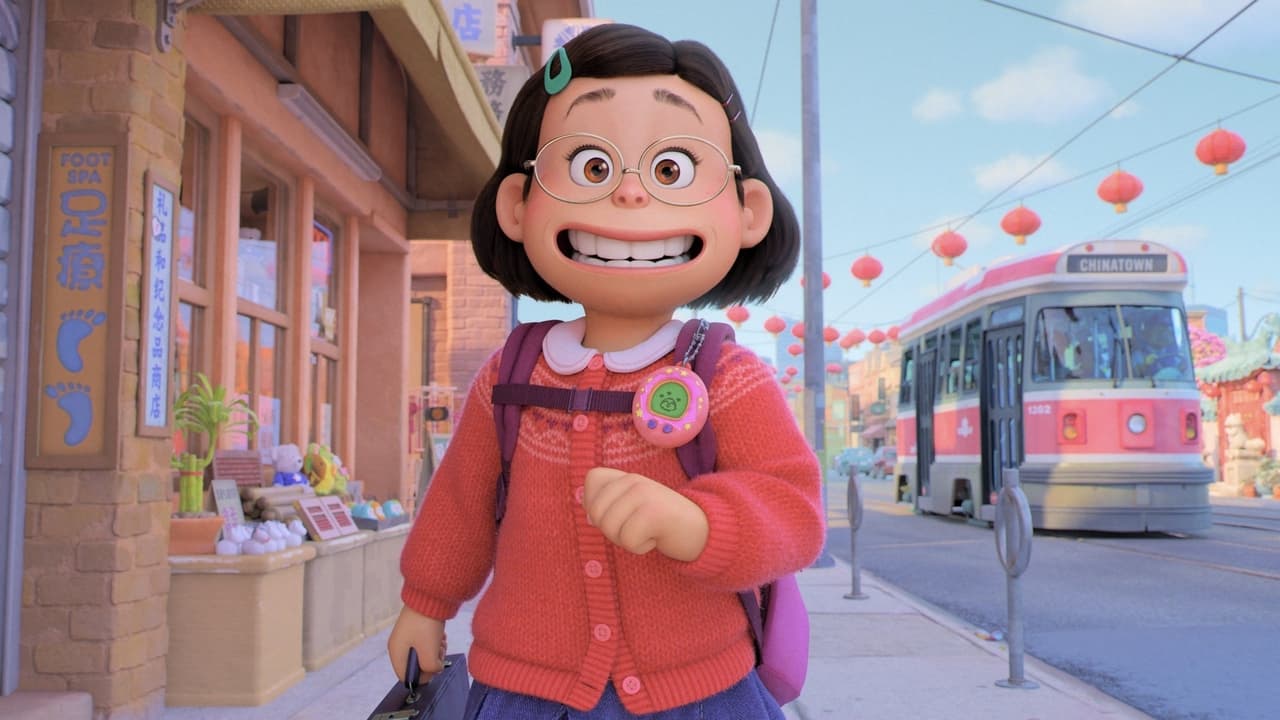
You might see reviews or forum posts complaining that Mei is "disrespectful" to her parents. She lies, she sneaks out to a concert, and she draws some questionable fan art of her crush. But viewing these as "bad behavior" misses the narrative arc. The movie is a study in the friction between a high-pressure immigrant household and the Western push for individual identity.
Mei’s struggle isn't about being a "bad kid"—it’s about the impossible task of being a perfect one. The tension between her and her mother is palpable and, at times, genuinely uncomfortable. It’s a great entry point for Asian immigrant family stories because it moves past the surface-level tropes of "strict parents" to show the generational weight of those expectations. When the credits roll, the resolution isn't about Mei becoming a submissive daughter again; it’s about the family learning to accommodate the "panda" in all of them.
If your kid liked Inside Out or Encanto
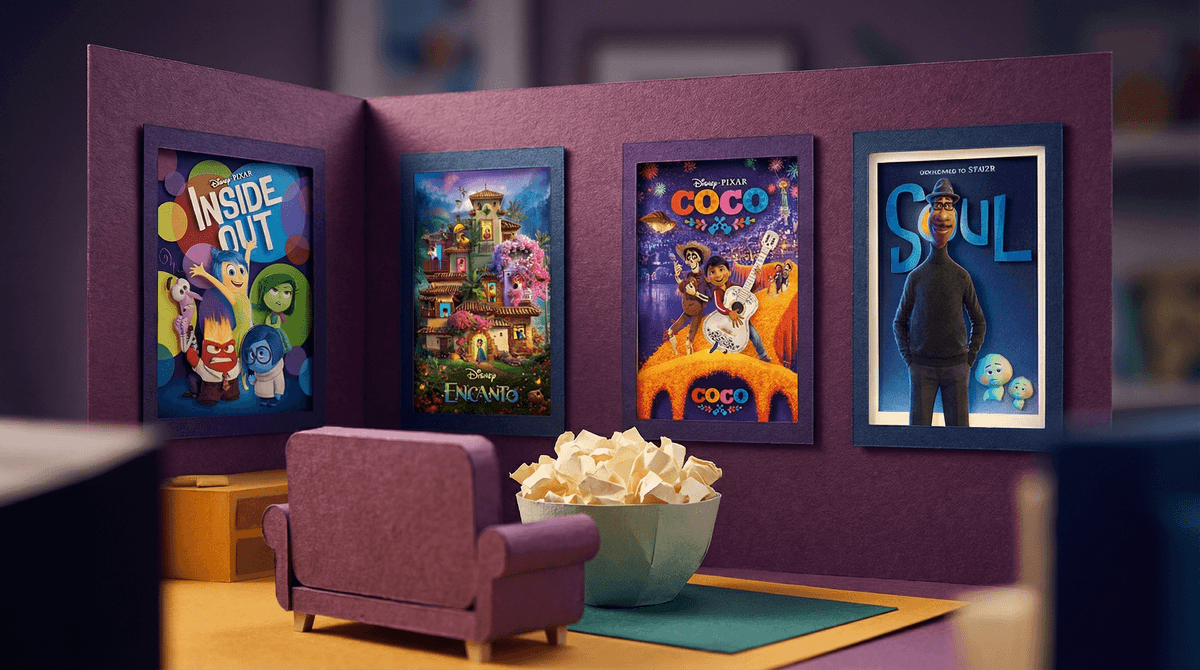
Think of Turning Red as the bridge between the elementary school vibes of Inside Out and the more complex family dynamics of Encanto.
- If they liked Inside Out: They’ll appreciate how emotions are personified, but Turning Red adds a layer of physical awkwardness that feels more grounded in the middle-school experience.
- If they liked Encanto: The "generational trauma" themes will feel familiar, but the resolution here is a bit more rebellious. While Mirabel saves the house, Mei Lee learns how to live outside the lines her family drew for her.
For parents navigating the best Disney Plus movies for kids, this one stands out because it doesn't pander. It assumes the audience can handle the mention of pads and the intensity of boy-band fandom.
The 4*Town factor
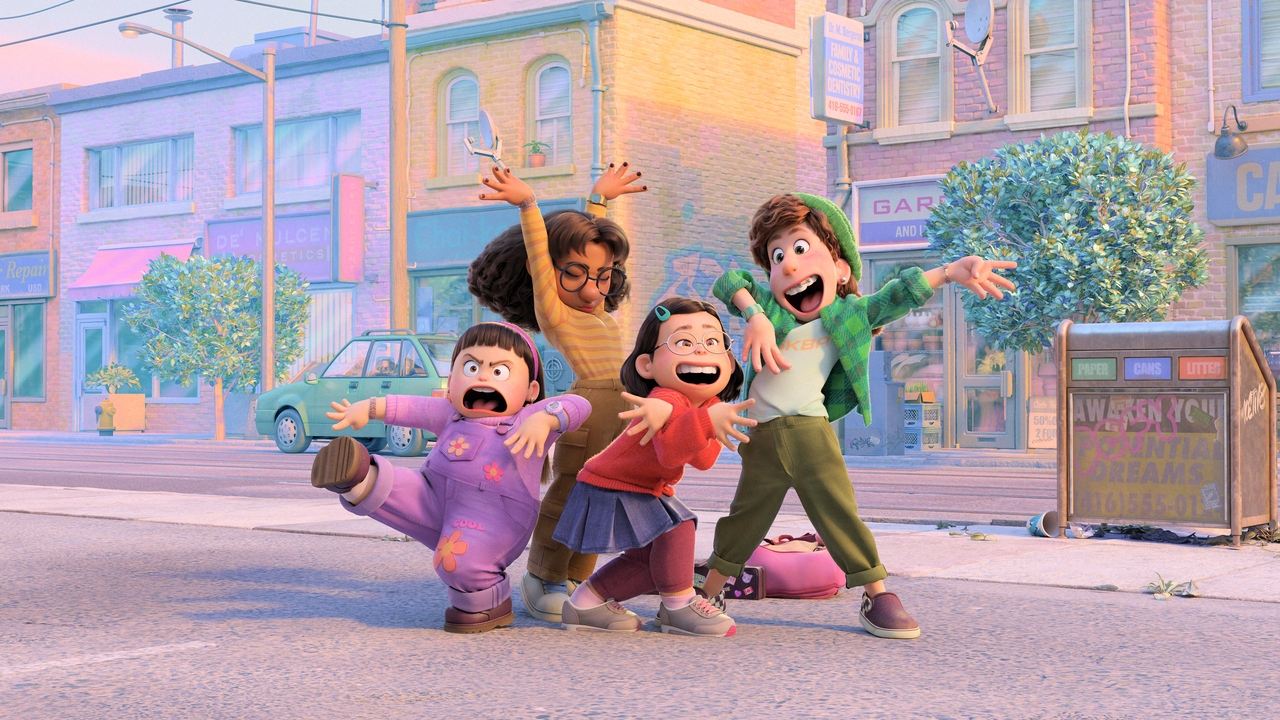
We need to talk about the boy band, 4*Town. The movie perfectly captures the specific, almost religious fervor of tween obsession. It might look like "brain rot" to an adult, but the film treats Mei’s love for the band with respect. For her and her friends, the band is a safe space to explore attraction and autonomy.
If you find yourself rolling your eyes at your kid's current obsession with a YouTuber or a pop star, this movie is a good reminder of what that phase actually feels like from the inside. It’s not about the music; it’s about the community and the first taste of a world that belongs entirely to them, not their parents.