

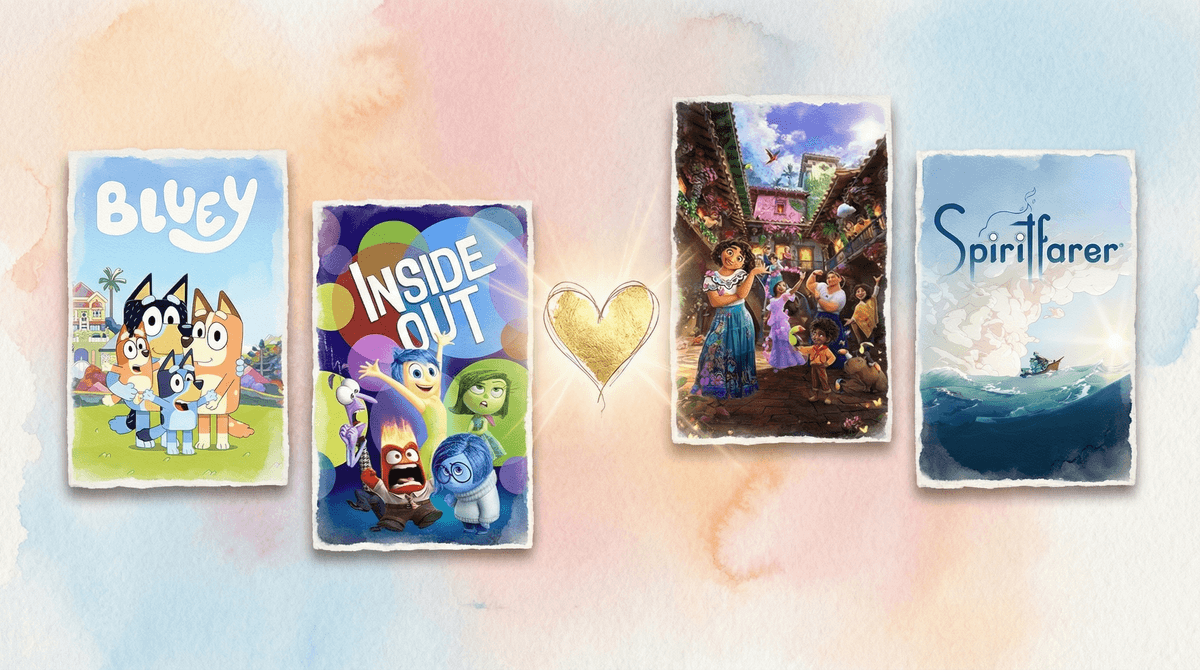
Here's something most parents don't realize: that episode of Bluey where your kid cried when Bingo felt left out? That's not just entertainment. That's an empathy workout.
Using media to teach empathy means intentionally leveraging the stories, characters, and situations your kids are already consuming to help them understand other people's feelings, perspectives, and experiences. It's about turning passive screen time into active emotional learning.
And honestly? In 2026, when so much of kids' social learning happens through screens anyway, this might be one of the most important skills we can teach them.
The research here is pretty compelling. When kids watch characters navigate emotional situations, their brains light up in similar ways to experiencing those situations themselves. It's like a flight simulator for feelings.
Here's what makes screen-based empathy training uniquely powerful:
- Pause button advantage - You can stop, rewind, and discuss a character's feelings in ways you can't with real-life moments
- Safe emotional distance - Kids can explore heavy topics (loss, rejection, fear) without the overwhelm of experiencing them firsthand
- Diverse perspectives - Media exposes kids to experiences and identities they might not encounter in their immediate community
- Repeated exposure - They can watch the same episode seventeen times (looking at you, Encanto) and pick up new emotional nuances each time
The key is that this doesn't happen automatically. Your kid can binge an entire season of a show and learn absolutely nothing about empathy if you're not helping them connect the dots.
Ages 3-6: Name It to Tame It
At this age, you're literally building their emotional vocabulary. When watching shows like Daniel Tiger's Neighborhood or Bluey, pause and ask:
- "How do you think she's feeling right now?"
- "What does his face tell us?"
- "Have you ever felt like that?"
Keep it simple. You're teaching them to recognize emotions, not analyze complex motivations.
Ages 7-10: Connect to Their World
This is the sweet spot for empathy development. Their brains are ready to understand that other people have completely different internal experiences than they do (wild concept, right?).
With shows like Avatar: The Last Airbender or games like Stardew Valley, you can dig deeper:
- "Why do you think Zuko made that choice?"
- "What would you do if you were in that situation?"
- "How might this feel different for someone who grew up differently than you?"
Ages 11+: Critical Analysis
Tweens and teens can handle more complex discussions about why stories make us feel certain ways and how media shapes our understanding of others.
This is when you can watch something like The Hunger Games or Spider-Man: Into the Spider-Verse and talk about systemic issues, representation, and whose stories get told.
The Three-Question Framework
After watching literally anything, cycle through these:
- "What was that character feeling?"
- "Why might they have felt that way?"
- "Have you ever felt something similar?"
That's it. You don't need a PhD in child psychology.
Choose Media With Built-In Empathy Lessons
Some content is just better for this than others. Look for:
- Multiple perspectives - Shows that let you see the same situation through different characters' eyes
- Emotional complexity - Characters who feel conflicting emotions (because real life is complicated)
- Diverse representation - Stories about people with different backgrounds, abilities, and experiences
- Realistic consequences - When characters' actions actually affect others in meaningful ways
Strong picks: Inside Out, Wonder, The Owl House, Celeste (for older kids), Hilda
Don't Sleep on Video Games
Games can be empathy goldmines because kids are actively making choices, not just watching. Unpacking tells an entire life story through belongings. Spiritfarer deals with death and letting go. Kind Words is literally about writing supportive messages to strangers.
Even Minecraft can teach empathy if you're playing multiplayer and discussing how it feels when someone destroys your build.
The Empathy Lecture
If you turn every piece of media into a heavy teaching moment, your kid will start hiding their screen time from you. Pick your moments. Not every episode needs a debrief.
Forcing Emotional Responses
Some kids process emotions internally. If they don't want to talk about why the dog movie made them sad, that's okay. You can model empathy statements ("That part where the dog waited at the station always gets me") without requiring them to perform feelings.
Assuming Exposure = Learning
Just because your kid watched a show with a diverse cast doesn't mean they automatically understand those experiences. You need to facilitate the connection.
Your kid is going to spend time with screens. That's just reality in 2026. But there's a massive difference between passive consumption and active emotional learning.
The magic happens in the conversations. In the pause-and-ask moments. In the "how do you think they felt?" questions that help kids connect fictional experiences to real human emotions.
You're not trying to turn every screen session into a therapy appointment. You're just helping them notice the humanity in the stories they're already consuming.
And honestly? In a world where a huge chunk of their social interaction happens through screens, teaching them to recognize and respond to emotions in digital spaces might be one of the most practical skills we can give them.
- This week: Pick one show or game your kid already loves and try the three-question framework
- Explore: Check out our guide to shows that teach emotional intelligence
- Go deeper: How to talk to kids about difficult topics through media