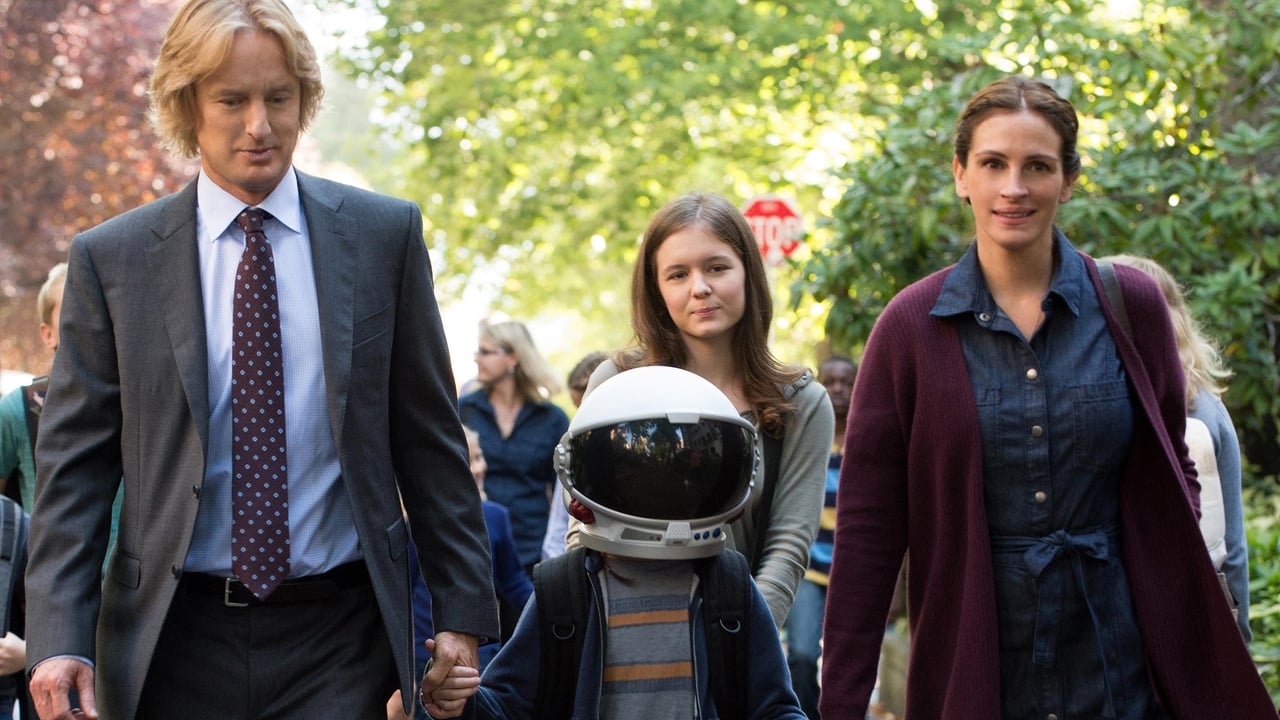
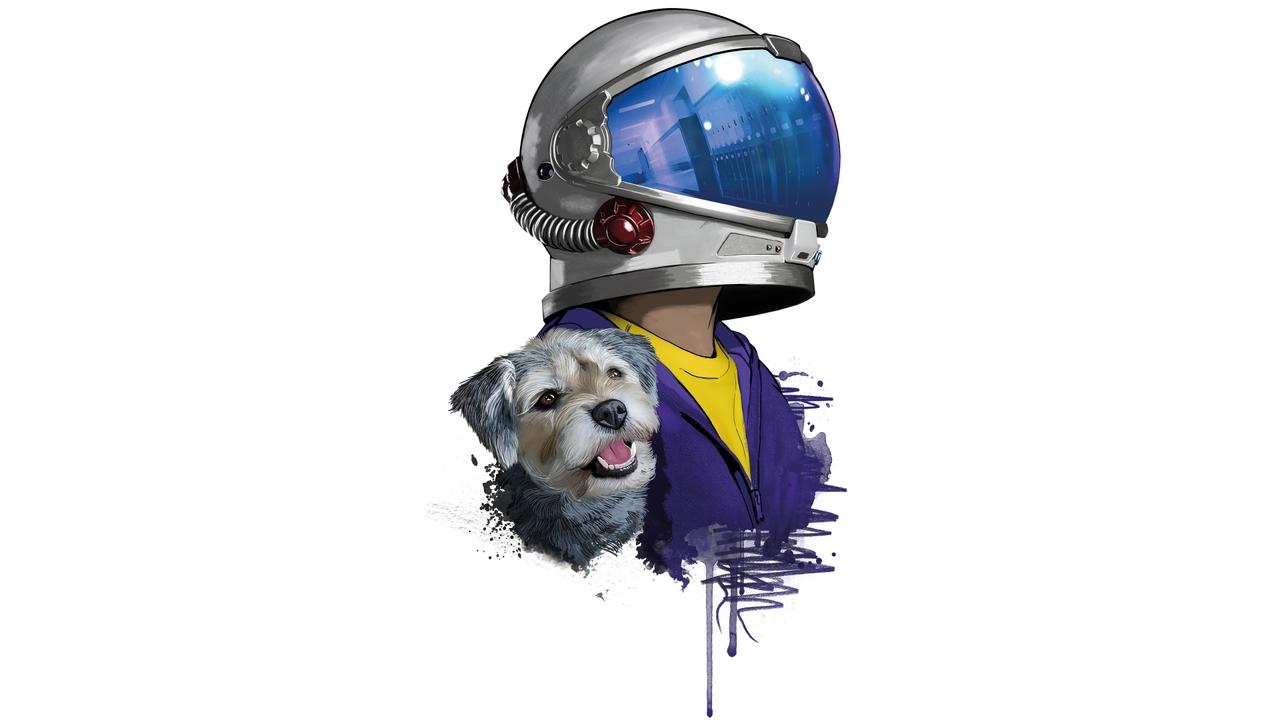
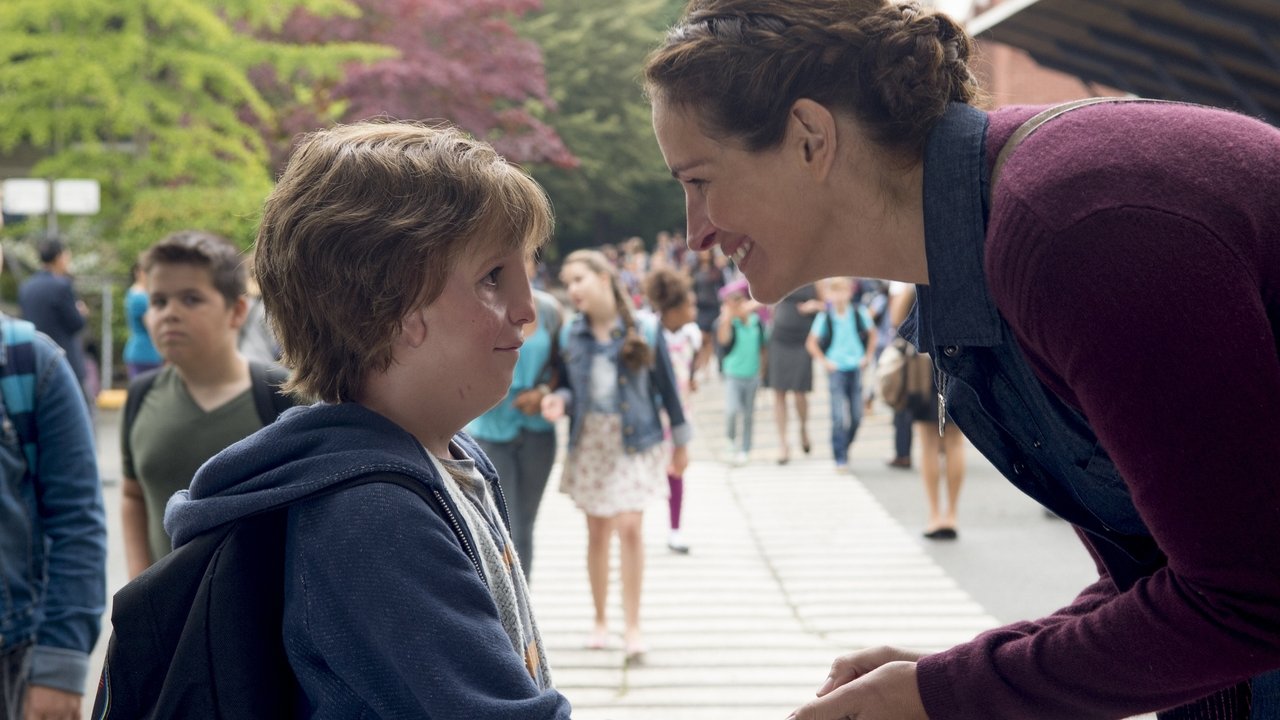
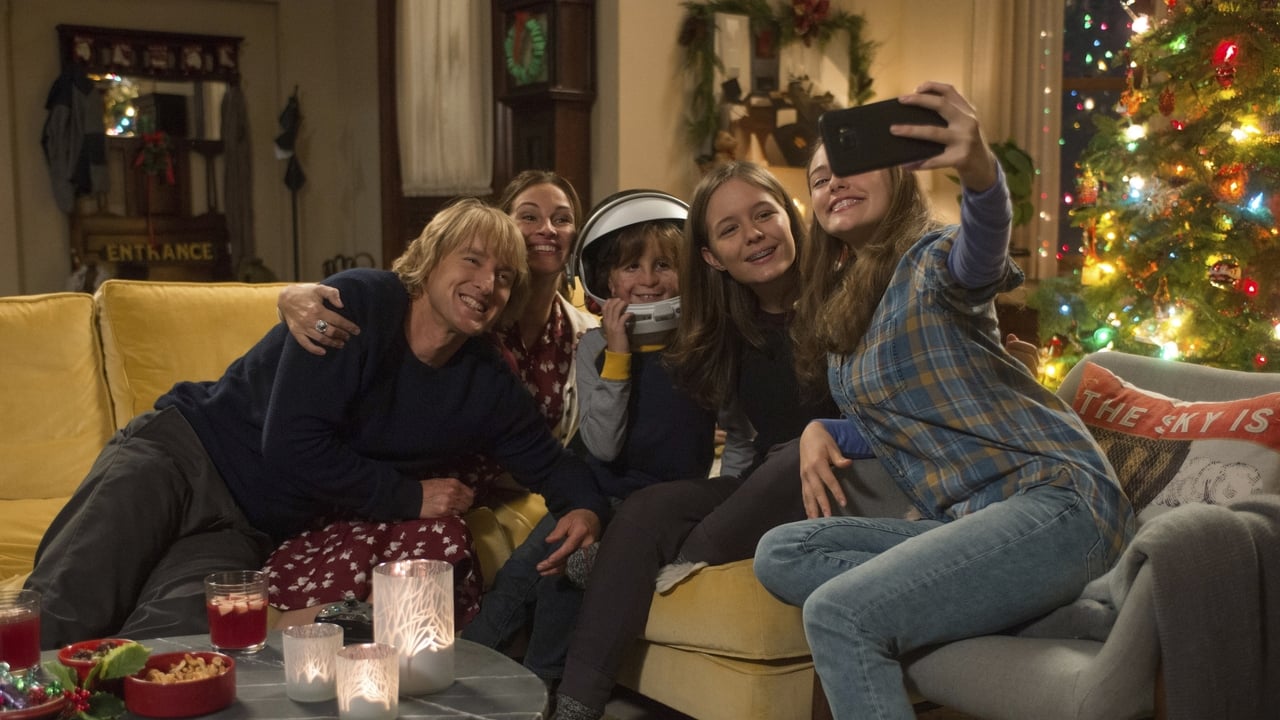
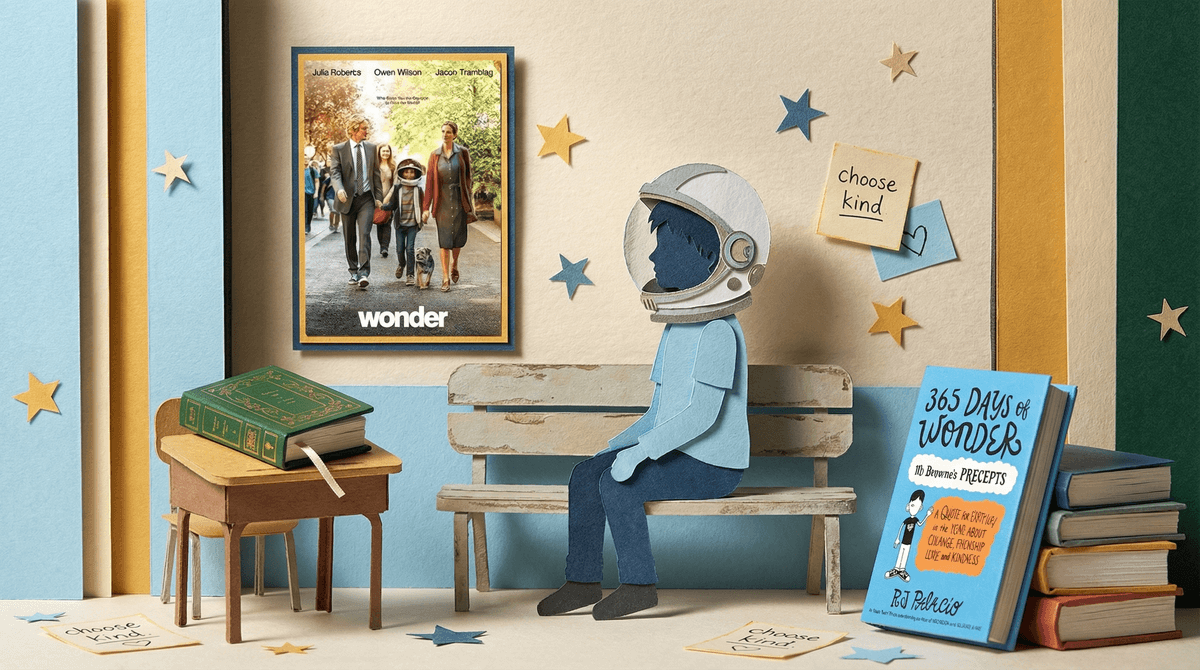
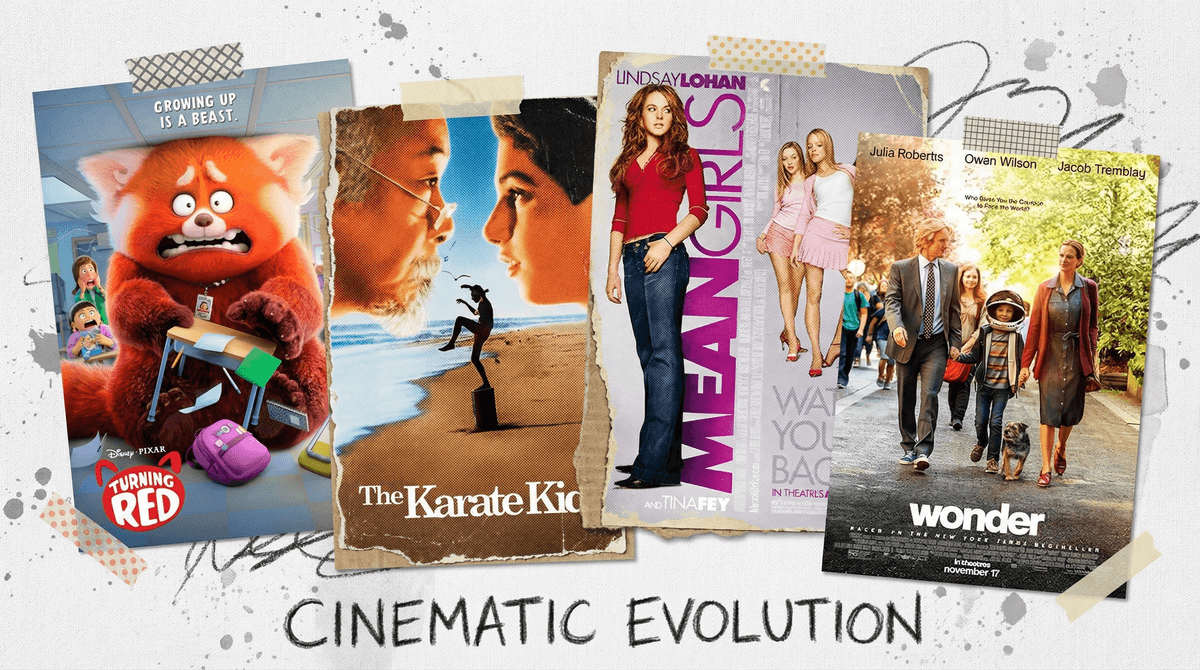
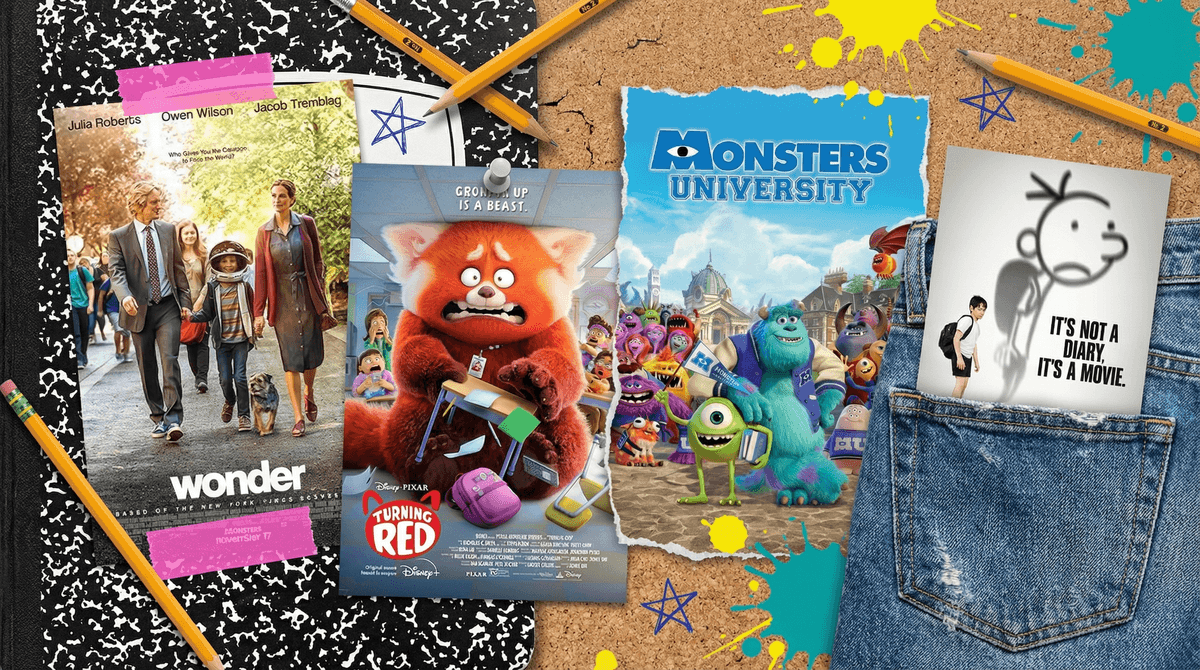
Wonder is the movie that finally makes those "Be Kind" posters in the school hallway feel like a legitimate survival strategy rather than just corporate wallpaper. While the 2017 release date means it’s been a classroom staple for a while, it hasn’t lost its edge. It remains the gold standard for the live-action leap for 10-year-olds who are starting to age out of purely animated features but aren't quite ready for the cynicism of teen dramas.
The POV shift is the MVP
Most family dramas pick a protagonist and stick to them like glue. Wonder is smarter than that. Just when you think you’ve settled into August’s journey of entering fifth grade, the movie pulls a "wait, there’s more" and pivots the perspective to his sister, Via, and then to his friends.
This is the "secret sauce" that makes it one of the most effective movies that teach empathy. By showing that the "popular kid" might be acting out of his own insecurity, or that the "perfect sister" feels totally invisible at home, the film gives kids a mental map for navigating their own social hierarchies. It moves the conversation from "don't be mean" to "everyone is carrying something you can't see."
Real friction, not movie-magic bullying
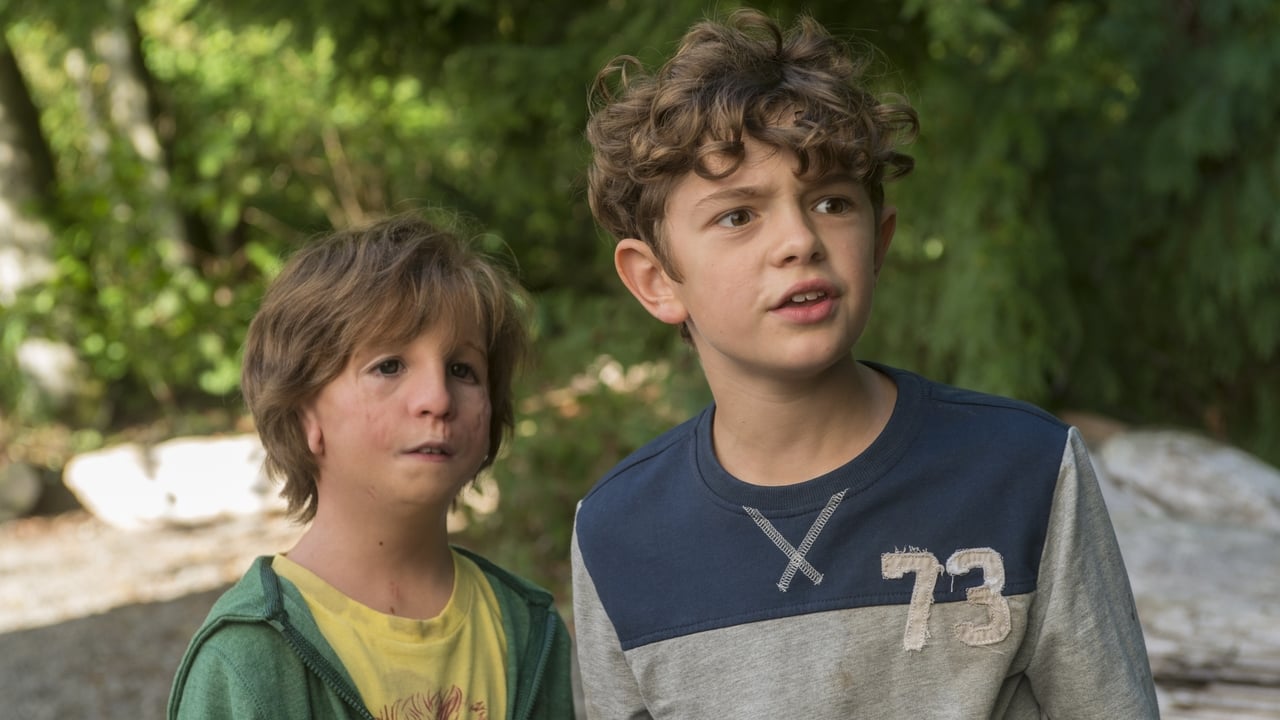
The bullying here isn't the cartoonish, "give me your lunch money" variety. It’s the quiet, social-exclusion kind that actually happens in middle school—the whispers in the hallway, the "plague" game, and the betrayal by a friend you thought you could trust.
Because the film treats these moments with weight, it works as a back-to-school movie for kids who are anxious about the social jungle of a new grade. It doesn't promise that things will be easy; it just promises that they are survivable if you find your people. If your kid is sensitive to social dynamics, be ready for the "Jack Will" betrayal scene—it’s a gut punch that usually requires a quick pause to check in.
If your kid liked The Wild Robot
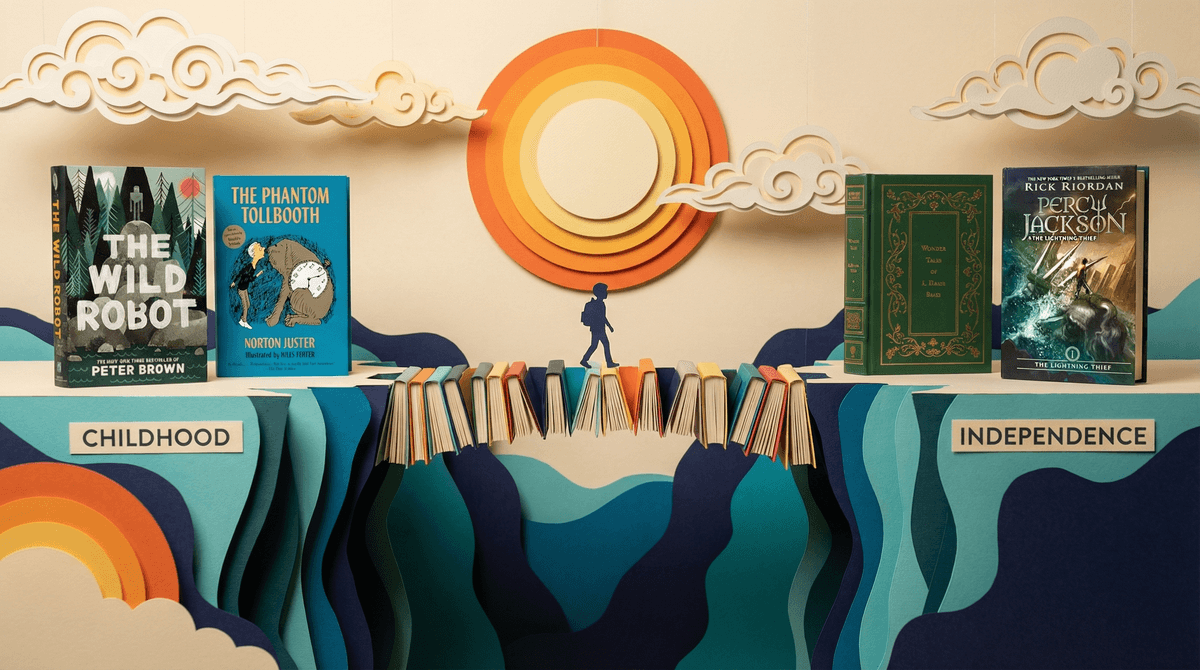
If your family recently loved the "kindness is a survival skill" theme of The Wild Robot, Wonder is the logical next step in a real-world setting. It trades the sci-fi island for a Brooklyn prep school, but the core question is the same: how do you stay soft in a world that feels hard?
It’s also an excellent case study in movies about bullying because it focuses on the bystanders as much as the bully. The most useful conversations you'll have after the credits roll won't be about the "bad guy," but about the kids who sat silently while things happened. It’s a 113-minute masterclass in integrity that manages to be heartfelt without being a total sap-fest.