

Look, we all know the drill: your 8-year-old is obsessed with soccer, and you're trying to channel that energy into literally anything that doesn't involve a screen. Books seem like the obvious answer, but have you actually browsed the "soccer books for kids" section lately? It's a minefield of poorly-written chapter books with clip art covers and those weirdly aggressive "sports hero" biographies that read like propaganda.
This guide cuts through the noise. We're talking about actual good books that an 8-year-old who loves soccer will genuinely want to read—not just tolerate because you bribed them with screen time afterward.
Here's the thing about 8-year-olds and reading: they're at this magical age where they're transitioning from picture books to chapter books, and what they read RIGHT NOW can either hook them on reading for life or turn it into a chore. If your kid is soccer-obsessed, meeting them where they are with books about their passion is honestly one of the smartest moves you can make.
Plus, let's be real—soccer books can teach way more than just the game. We're talking about teamwork, dealing with failure, cultural diversity (soccer is the most global sport on the planet), and persistence. And unlike FIFA or watching endless YouTube compilations of Messi goals, books actually build vocabulary, attention span, and imagination.
Fiction: Chapter Books That Don't Suck
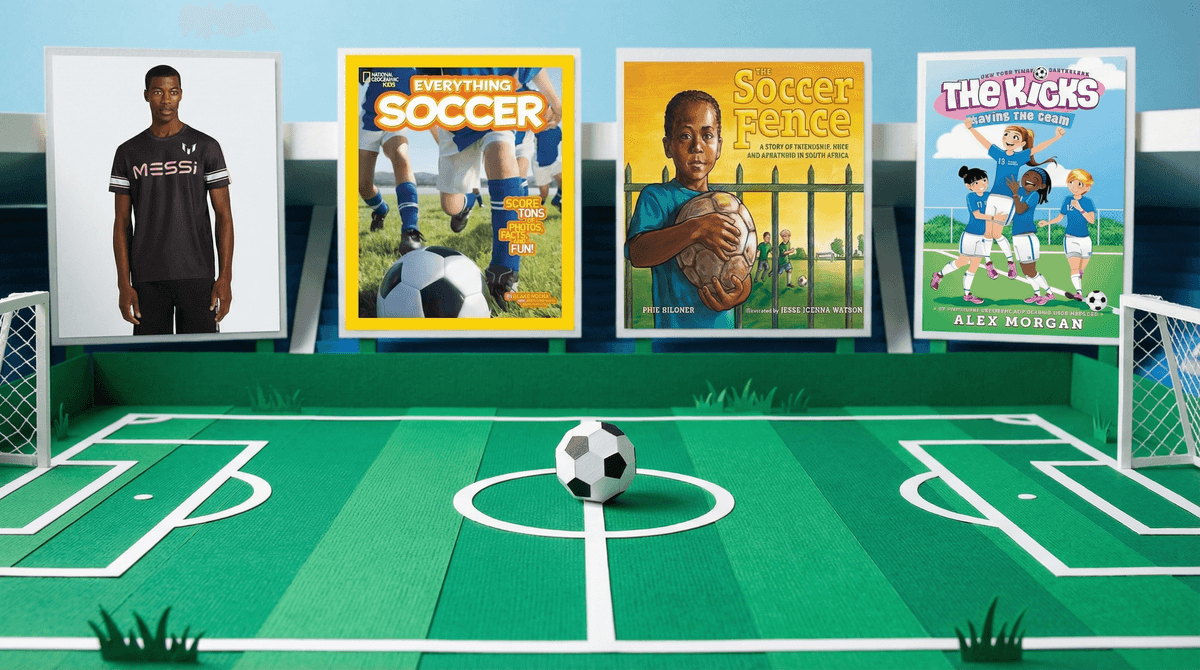
The Kicks series by Alex Morgan
Yes, that Alex Morgan. And before you roll your eyes, these are actually well-written middle-grade novels about a girl who moves to a new town and joins a struggling soccer team. The soccer is realistic, the friendship drama is age-appropriate, and the writing doesn't talk down to kids. Perfect for kids reading at a 2nd-4th grade level.
Okay, this is technically a graphic novel about a kid navigating a new private school, not specifically about soccer—but soccer plays a meaningful role, and the format is perfect for reluctant readers. It won a Newbery Medal for a reason. If your 8-year-old is more into screens than books, this is your gateway drug.
Soccer Superstars series (various authors)
These are quick reads (think 100-150 pages) with big text and illustrations throughout. They're fictionalized stories about real soccer legends like Messi, Ronaldo, and Megan Rapinoe. Are they literary masterpieces? No. Will your kid actually finish them? Yes. Sometimes that's the win.
Non-Fiction: Learning Without the Lecture
National Geographic Readers: Soccer
This is the sweet spot for 8-year-olds who want facts but can't handle a textbook. Great photos, digestible chunks of information, and actual interesting content about the World Cup, famous players, and how the game is played globally. Reading level is spot-on for 2nd-3rd grade.
Who Is Pelé? / Who Is Messi? (Who Was? series)
These biographies are shockingly readable. They're not dumbed down, but they're not boring either. The illustrations break up the text nicely, and they do a good job of contextualizing these players' lives beyond just soccer stats. Great for kids who are ready for "real" chapter books but still need some visual support.
Picture Books (Yes, Really)
Waiting for the Magic by Patricia MacLachlan
This is technically about a family and their dogs, but there's a subplot about soccer that's beautifully woven in. It's a picture book, but the themes are sophisticated enough for 8-year-olds, especially if you're reading together. Perfect for bedtime when they're too wound up from practice to focus on chapter books.
The Soccer Fence by Phil Bildner
This one's about kids playing soccer in different settings around the world. It's diverse, beautifully illustrated, and does a great job showing how soccer is truly universal. Good for younger 8-year-olds or for sparking conversations about culture and community.
Reading levels are all over the place at age 8. Some kids are crushing Harry Potter; others are still working through early readers. Don't force a book that's too hard just because it's "age-appropriate"—that's how you kill a love of reading. If your kid needs the Soccer Superstars series with big text and pictures, that's totally fine. They're still reading.
Graphic novels count as reading. Full stop. If your kid devours Dog Man but won't touch a chapter book, that's still building literacy skills. The soccer angle is just a way to expand their interests while keeping them in a format they already love.
Representation matters. Soccer is beautifully diverse, and the books should reflect that. Look for stories with protagonists of different genders, races, and backgrounds. The Kicks series features a Latina protagonist; the Who Was? series covers players from all over the world. This stuff matters to kids, even if they don't articulate it.
Reluctant readers need wins. If your kid hasn't been into reading, don't start with a 300-page novel just because they're 8. Start with something they can finish in a sitting or two. The confidence boost from completing a book is huge.
The goal here isn't to turn your soccer-obsessed kid into a bookworm overnight. It's to show them that reading can be about the things they already love. Start with whatever format and reading level works for YOUR kid—whether that's a graphic novel, a 100-page chapter book with pictures, or a biography of their favorite player.
And honestly? If they read one soccer book and it leads to them picking up another book (even if it's not about soccer), you've won. That's the whole game.
Try the library first. Most of these books are available at your local library, and librarians are shockingly good at finding "books like this one" if your kid finishes something and wants more.
Read together. Even if your 8-year-old can read independently, reading a chapter or two together before bed keeps you connected to what they're into and helps them tackle harder books.
Don't force it. If you buy a book and they're not feeling it after a chapter or two, move on. Forcing kids to finish books they hate is how you create adults who "don't like reading."
And if you're looking for more ways to balance your kid's screen time with other interests, check out our guide on building offline hobbies or explore alternatives to YouTube for sports content.