

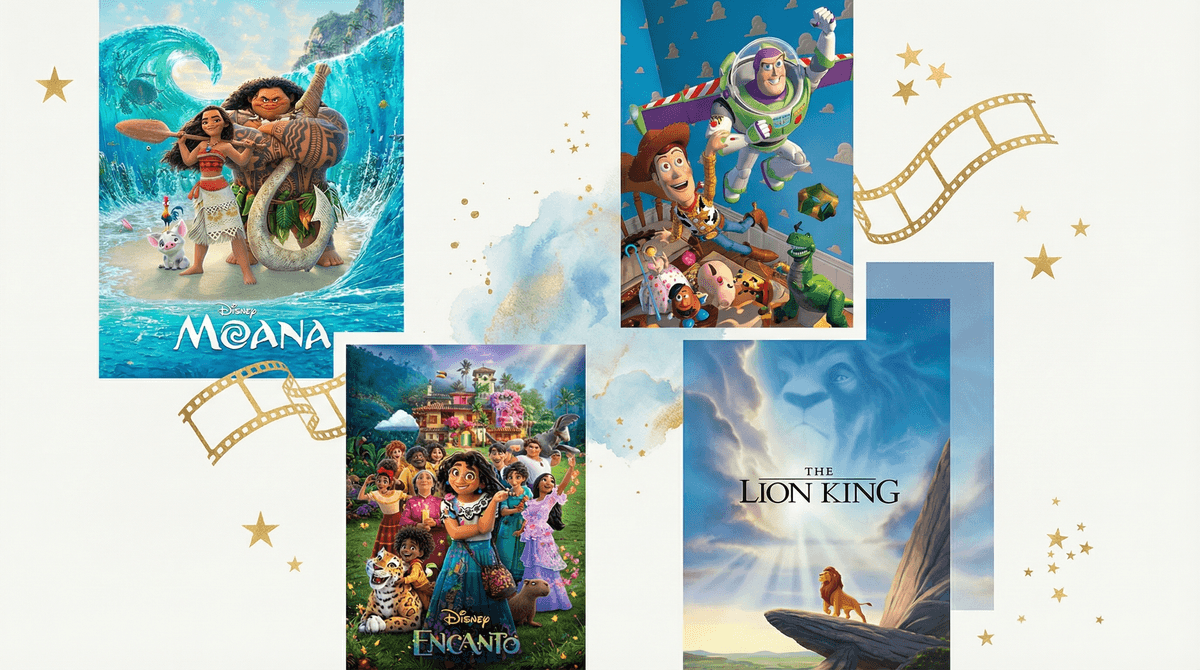
The Ultimate Guide to Disney Movies by Age Appropriateness
TL;DR: Not all Disney movies are created equal. Bambi traumatized a generation, Frozen is basically toddler catnip, and Encanto tackles generational trauma. Here's how to match Disney films to your kid's actual developmental stage—not just the age rating on the box.
Quick picks by age:
- Ages 2-4: Moana, Finding Nemo, Toy Story
- Ages 5-7: Coco, Zootopia, Lilo & Stitch
- Ages 8-10: Inside Out, Raya and the Last Dragon, Big Hero 6
- Ages 11+: Soul, Turning Red, The Hunchback of Notre Dame
Screenwise Parents
See allDisney slaps a "G" rating on everything from Dumbo (which features a drunk hallucination sequence that's genuinely disturbing) to WALL-E (which opens with 40 minutes of almost no dialogue and existential loneliness). The MPAA rating system tells you almost nothing about whether your specific kid will handle a movie well.
What actually matters: scary imagery, emotional complexity, pacing, and thematic content. A three-year-old who's fine with loud action scenes might be destroyed by Mufasa's death. A sensitive seven-year-old might handle The Lion King just fine but need to leave the room during the transformation scene in Brave.
This guide breaks down Disney movies by what kids can actually handle at different stages—not just what the rating says.
What works at this age: Simple plots, clear good vs. evil, lots of music, minimal scary stuff. Toddlers need movies where they can follow the story without complex emotional arcs or long stretches without action.
The gold standard for this age. Bright colors, catchy songs, a likable protagonist, and the "scary" parts (Te Kā) resolve quickly into something beautiful. The ocean is basically a character, which toddlers love. Runtime is manageable at 107 minutes.
Watch out for: The Tamatoa scene can be intense—giant glowing crab in the dark. Some kids love it, others need a skip.
Gorgeous visuals, simple quest structure, and Dory is comedy gold for little kids. The opening scene with Coral's death happens fast and most toddlers don't fully process it.
Watch out for: The shark scene and the anglerfish scene are genuinely scary. The dentist's niece is nightmare fuel. You might want to pre-screen this one.
Toys coming to life is peak toddler fantasy. Woody and Buzz's friendship arc is simple enough to follow. Sid's mutant toys are creepy but not terrifying for most kids this age.
Watch out for: Sid himself can be scary—he's basically a little kid villain. The incinerator scene in Toy Story 3 is way too intense for this age group.
Also great for 2-4:
- Winnie the Pooh (2011) - Only 63 minutes, perfect pacing
- The Many Adventures of Winnie the Pooh - Classic, gentle, short
- Cars - If your kid likes vehicles, this is crack
- Monsters, Inc. - Funny, sweet, minimal scares
Skip for now:
- Bambi - The mom's death is brutal, and the forest fire is terrifying
- Dumbo - Pink elephants scene is psychedelic nightmare fuel
- Pinocchio - Pleasure Island and the whale are too scary
- Snow White - The Evil Queen's transformation and the forest chase are genuinely frightening
What works at this age: More complex plots, emotional depth, some scary moments (with resolution), themes of friendship and family. Kids this age can handle temporary peril and sad moments if there's a happy ending.
This movie is a masterpiece about death, memory, and family—and somehow works beautifully for this age. The Land of the Dead is colorful and celebratory, not scary. The emotional climax will wreck you but in the best way.
Watch out for: The concept of being forgotten is heavy. Ernesto's reveal as a villain involves murder. Talk about it afterward.
A buddy cop movie that's also about prejudice and systemic discrimination. Kids this age get the surface story (solve the mystery!), and the deeper themes land as they get older. Genuinely funny for adults too.
Watch out for: The night howler scene where animals go "savage" is intense. The theme of prejudice deserves a conversation.
Weird, wonderful, and emotionally complex. Deals with grief, foster care, and what makes a family. Stitch's destructive phase is chaotic but not scary.
Watch out for: The social worker subplot is stressful—Nani might lose Lilo. Heavy themes about parents dying. But it handles it all beautifully.
Yes, you've heard "Let It Go" 10,000 times. But it's genuinely good—sisterhood, fear, acceptance, and the twist on "true love." The ice magic is beautiful, not frightening.
Watch out for: Hans's villain reveal can be confusing for younger kids. Elsa's isolation is sad. The wolf chase is intense.
Also great for 5-7:
- Tangled - Adventure, romance, great music
- Wreck-It Ralph - Video game world, friendship, redemption
- The Incredibles - Superhero family dynamics, action-packed
- Up - The opening montage will destroy you, but kids this age handle it well
- Ratatouille - Slower paced but charming
What works at this age: Nuanced characters, moral ambiguity, real stakes, themes about identity and growing up. Kids this age can handle villains with depth and stories without easy answers.
The best movie about emotions ever made. Helps kids understand that sadness isn't bad, that growing up means losing some things, and that all feelings matter. Riley's depression is portrayed honestly and compassionately.
Watch out for: Bing Bong's sacrifice is devastating. The abstract thought sequence can be confusing for younger kids in this range.
About trust, betrayal, and healing a broken world. Raya's journey from cynicism to trust is sophisticated. The Druun are scary but not gratuitously so.
Watch out for: Sisu's death hits hard. The movie doesn't shy away from showing how broken trust damages relationships.
Grief, revenge, and healing wrapped in a superhero story. Hiro's journey through loss is handled beautifully. Baymax is one of the best Disney characters ever created.
Watch out for: Tadashi's death and the fire are intense. The final battle involves real stakes and sacrifice.
Generational trauma, family pressure, and finding yourself when you don't fit the mold. Mirabel's journey resonates deeply with kids who feel like they don't measure up. The music is incredible.
Watch out for: Abuela's expectations are stressful. The cracks in Casita can be scary. Heavy themes about family dysfunction.
Also great for 8-10:
- Soul - Existential but accessible, about purpose and passion
- Mulan - War, identity, honor (the battle scenes are intense)
- Brave - Mother-daughter conflict, the bear transformation is scary
- Atlantis: The Lost Empire - Underrated adventure with real stakes
- Treasure Planet - Space pirates, father figures, growing up
What works at this age: Mature themes, complex morality, real darkness, stories that don't talk down to the audience. Tweens and teens can handle Disney at its most sophisticated.
This movie is dark. Lust, religious hypocrisy, genocide, mob violence—and somehow it's rated G. Frollo is Disney's most terrifying villain because he's realistic. The music is incredible. This is not a kids' movie despite the Disney label.
Watch out for: Everything. Frollo's "Hellfire" sequence is about sexual desire and damnation. The climax involves attempted murder of Esmeralda by burning. Heavy stuff.
What is the meaning of life? What makes life worth living? Can you miss your purpose? This is Pixar at its most philosophical. Younger kids can watch it, but tweens and teens will actually understand it.
Watch out for: The Great Before/Great Beyond concepts can be existentially heavy. Joe's depression and crisis are real.
Puberty as a metaphor for turning into a giant red panda. Generational expectations, cultural identity, and the mortification of being 13. This movie gets it.
Watch out for: The period references upset some parents (which is ridiculous, but here we are). The mother-daughter conflict is intense and realistic.
Environmental collapse, consumerism, loneliness, and what it means to be human. The first 40 minutes are almost silent—it's basically an art film. Older kids appreciate the depth.
Watch out for: The environmental message is heavy. The humans on the Axiom are portrayed as helpless and obese, which deserves discussion.
Also great for 11+:
- The Incredibles 2 - Mind control, screen addiction themes
- Ralph Breaks the Internet - Internet culture, toxic fandom, friendship
- Onward - Grief, father loss, growing up without a parent
- The Princess and the Frog - Ambition, sacrifice, voodoo imagery
- Brother Bear - Revenge, transformation, indigenous themes
The old Disney movies (1930s-1960s) are culturally significant but often problematic for modern viewing. They're slower paced, the gender roles are dated, and some contain racist imagery that's genuinely offensive.
Dumbo has the crows (coded as Black stereotypes). Peter Pan has the "What Made the Red Man Red" sequence that's straight-up racist. The Aristocats has the Siamese cat scene with offensive Asian stereotypes.
Disney+ now includes content warnings on these films, which is good. If you want to show them for historical/cultural reasons, watch them first and decide if you want to have a conversation about "this was made a long time ago and these parts are wrong."
Or just skip them. There are plenty of great Disney movies that don't require a racism disclaimer.
Scary imagery varies wildly by kid
Some kids are fine with action and peril but can't handle transformation sequences (Brave's bear scene, The Little Mermaid's Ursula death). Others are the opposite. You know your kid.
Death in Disney movies
Disney loves dead parents. The Lion King, Bambi, Finding Nemo, Frozen, Big Hero 6, Coco—the list goes on. If your kid is dealing with loss, be thoughtful about which movies might be helpful vs. triggering.
Sensory sensitivities
Some Disney movies are LOUD. Moana's lava monster, Frozen's ice palace, The Incredibles' action sequences. If your kid has sensory processing issues, preview the intense scenes or have subtitles ready so you can lower the volume.
The princess problem
The early princess movies (Snow White, Cinderella, Sleeping Beauty) feature passive heroines waiting for rescue. The modern ones (Moana, Raya, Merida in Brave) are active heroes of their own stories. Both exist, neither is evil, but it's worth being intentional about the messages.
Disney movies aren't one-size-fits-all entertainment. Finding Nemo works for a three-year-old in ways that Soul doesn't, and The Hunchback of Notre Dame will hit different for a 13-year-old than it did when you were a kid.
The "G" rating is basically meaningless. What matters is matching the emotional complexity, scary imagery, and thematic content to where your specific kid is developmentally.
Start with the age ranges above, but trust your gut. If your six-year-old is sensitive to peril, maybe wait on The Lion King. If your eight-year-old is emotionally mature and asking big questions about life, Soul might be perfect.
And remember: you can always pause, skip scenes, or turn something off if it's not working. Disney+ isn't going anywhere.
Want more specific recommendations? Check out our guides on Pixar movies by age, best movies for sensitive kids, or how to talk to kids about scary movies.