The last of the hand-drawn greats
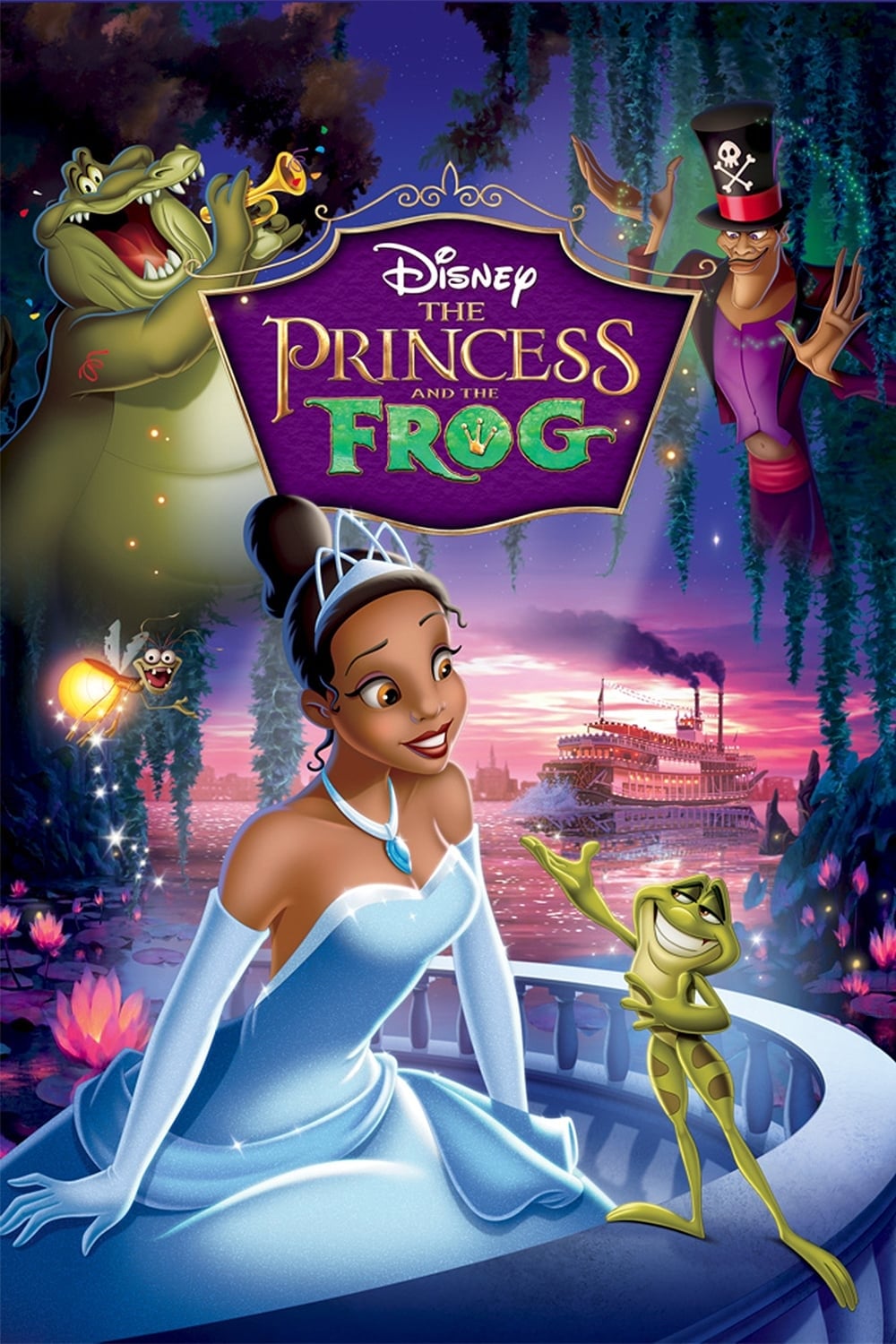
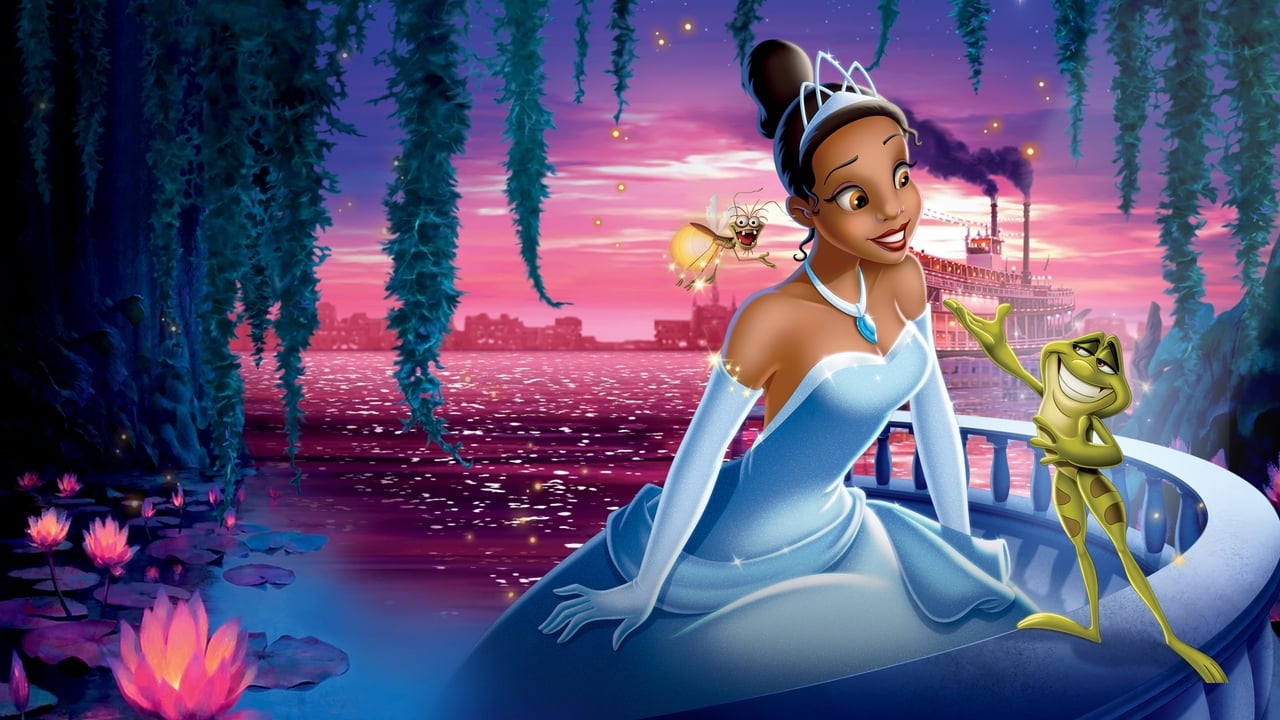
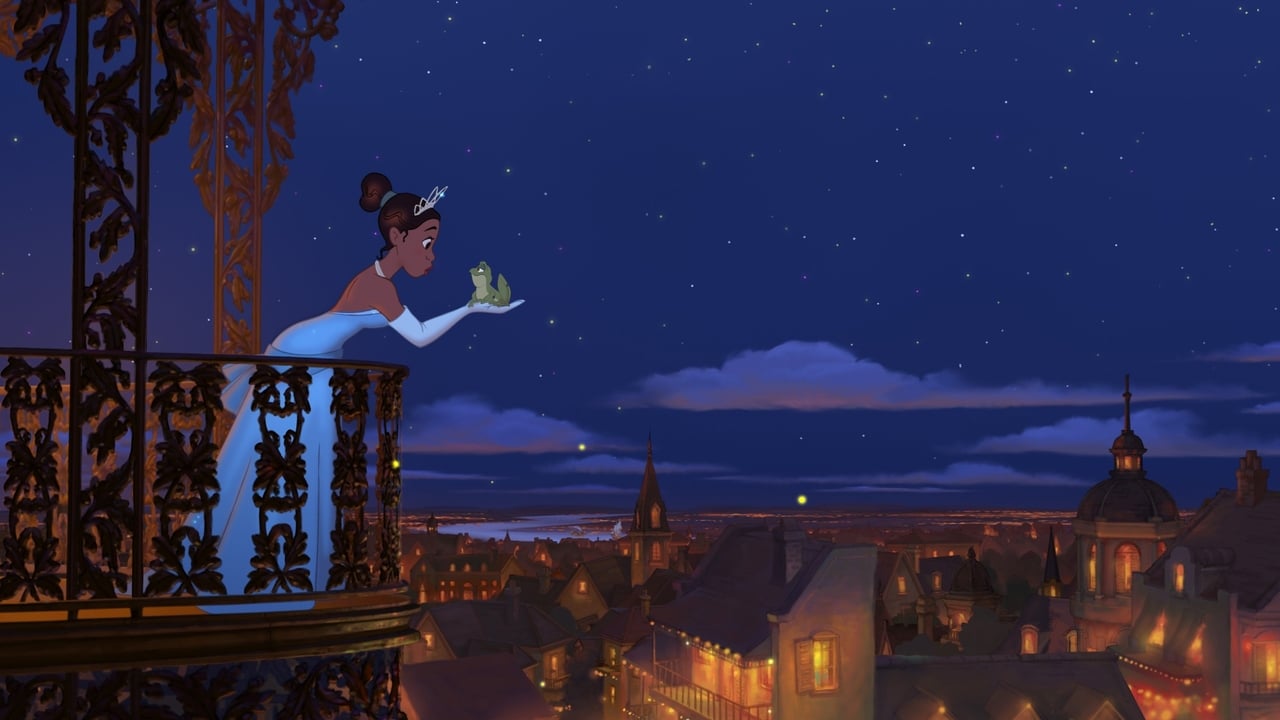
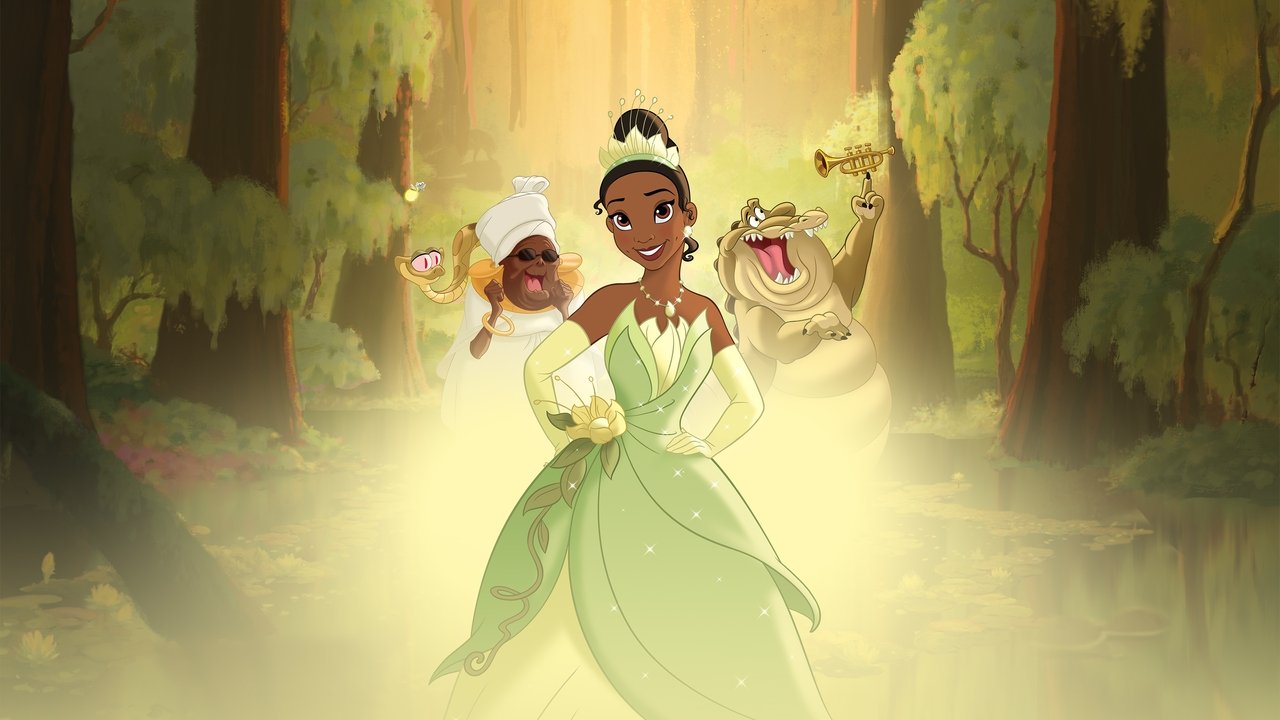
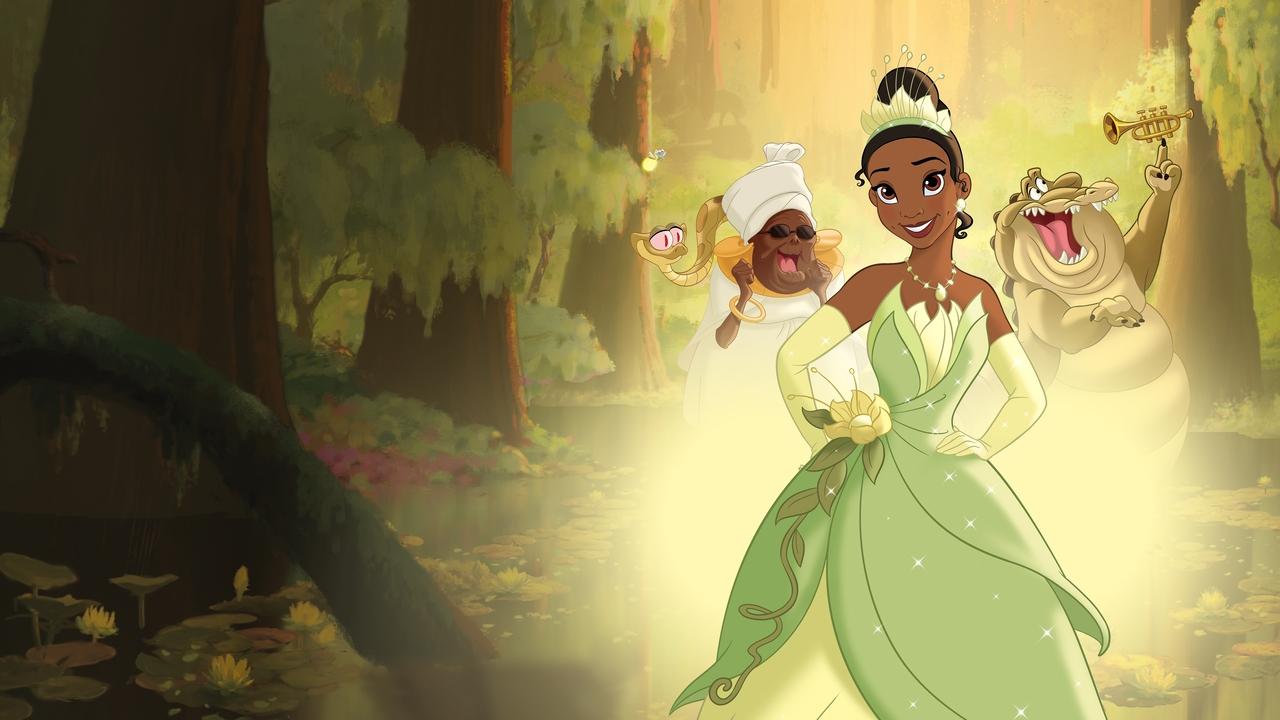
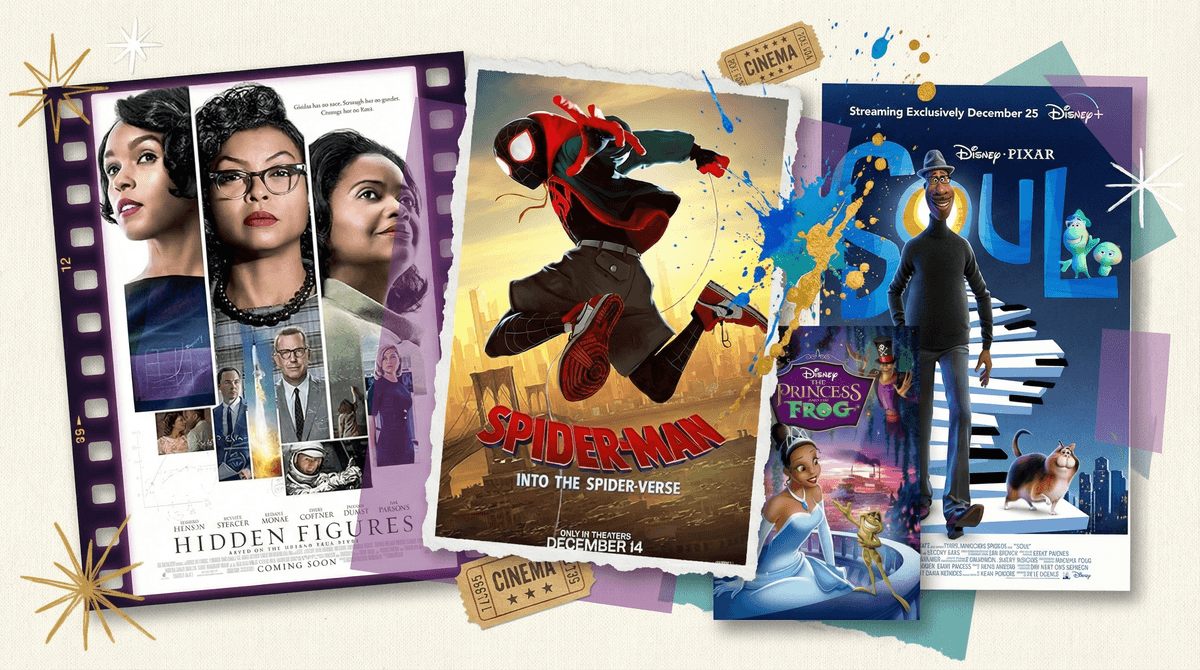
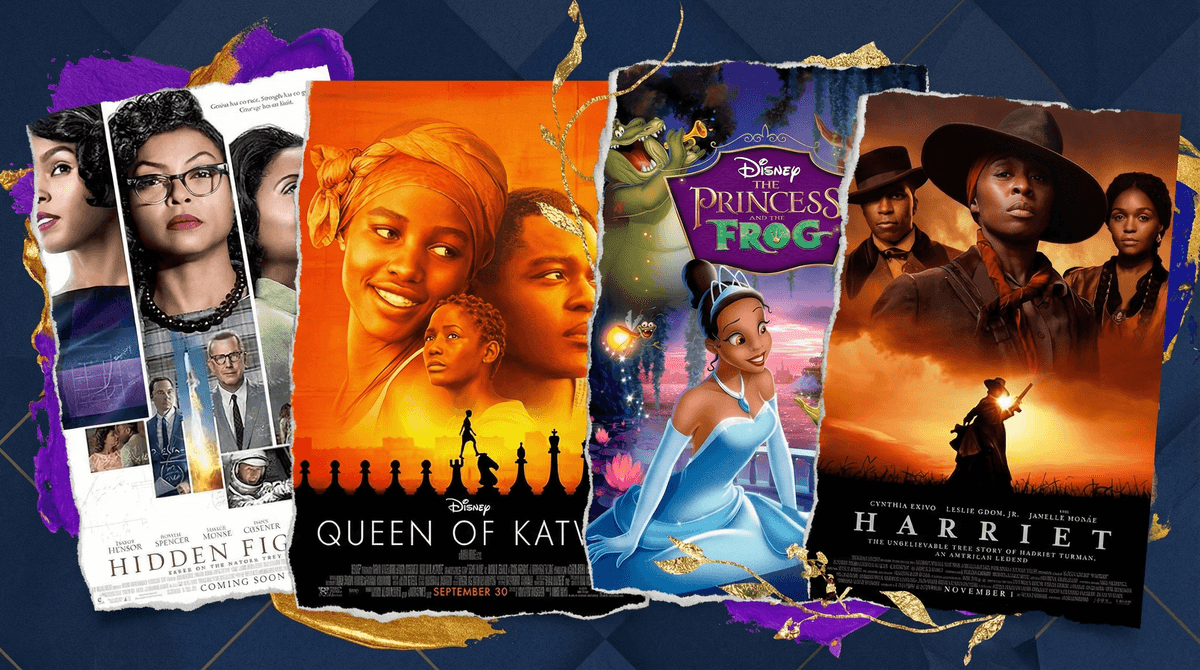
Watching The Princess and the Frog in the mid-2020s feels like a vintage experience because it was Disney’s last major swing at traditional, hand-drawn animation. While modern hits like Encanto or Moana are stunning in their own way, they have a certain "plastic" perfection. This movie has a tactile, painterly quality—especially in the New Orleans swamp scenes—that feels more like a living storybook. If your kids have only ever seen CGI, this is a great way to show them that "flat" animation can actually have more soul than 3D models.
It’s a top-tier choice when you’re looking through Disney Movies by Age because it bridges the gap between the old-school musical style and the more modern, "independent" princess era. Tiana doesn't spend her time singing to a well; she’s saving her tips in a flour tin.
The "Hustle" vs. the "Wish"
The most interesting thing about Tiana is her relationship with "wishing." In almost every other fairy tale, wishing is the mechanic that solves the problem. Here, Tiana’s father explicitly tells her that wishing only gets you part of the way; the rest is hard work. This makes her one of the most grounded characters in the entire Disney canon. She is a small business owner in a tiara.
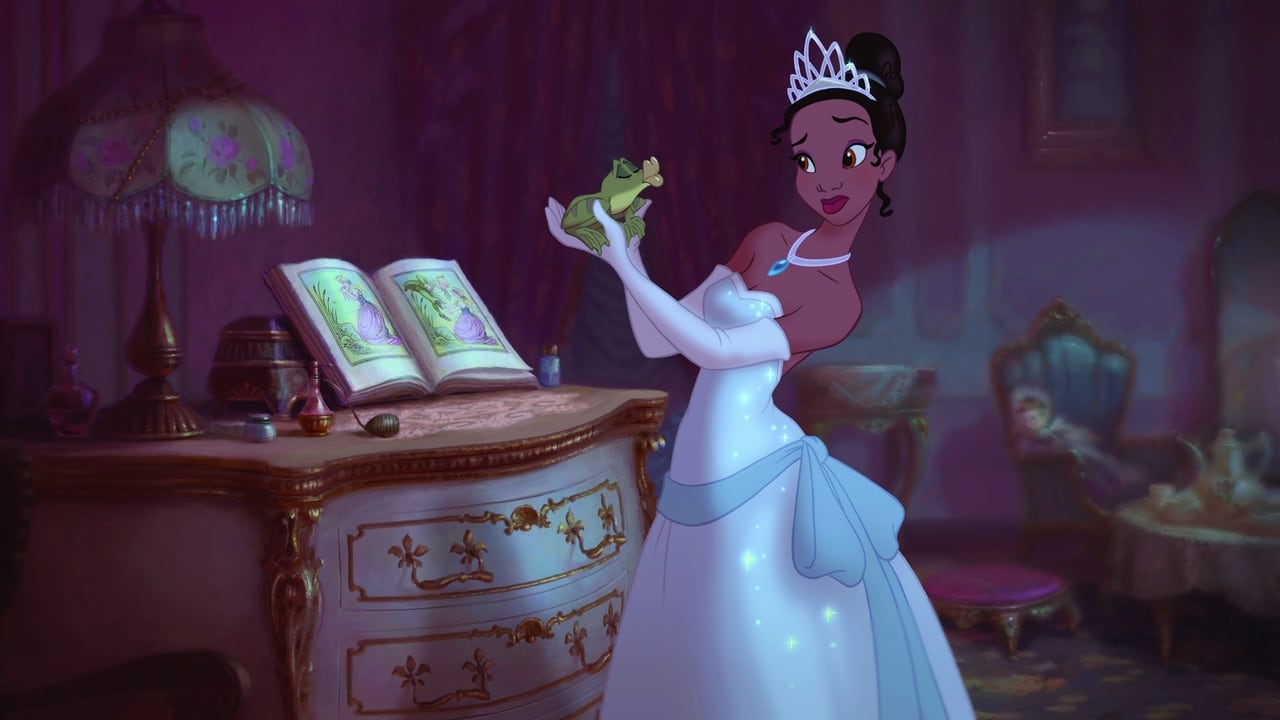
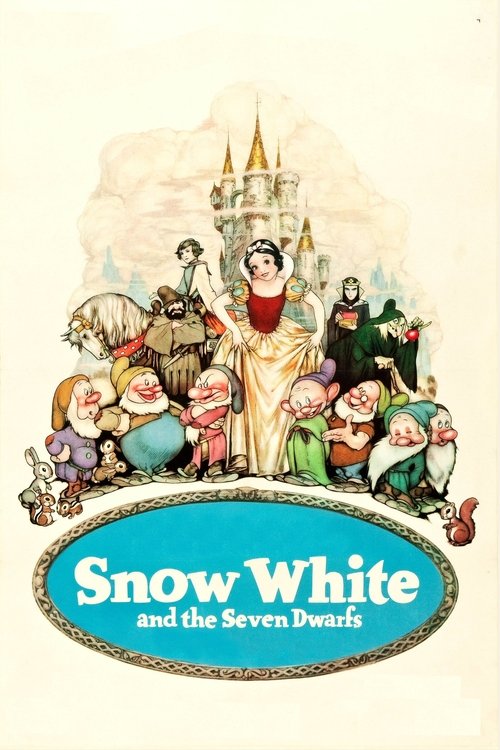
This shift in the "princess" archetype is a perfect entry point for teaching media literacy through princess movies. You can talk to your kids about why Tiana feels so different from Snow White or Cinderella. She has a specific, tangible goal—opening a restaurant—that has nothing to do with finding a husband. In fact, the prince is mostly a distraction from her career goals for the first two acts.
The "Frog Fatigue" and the Villain
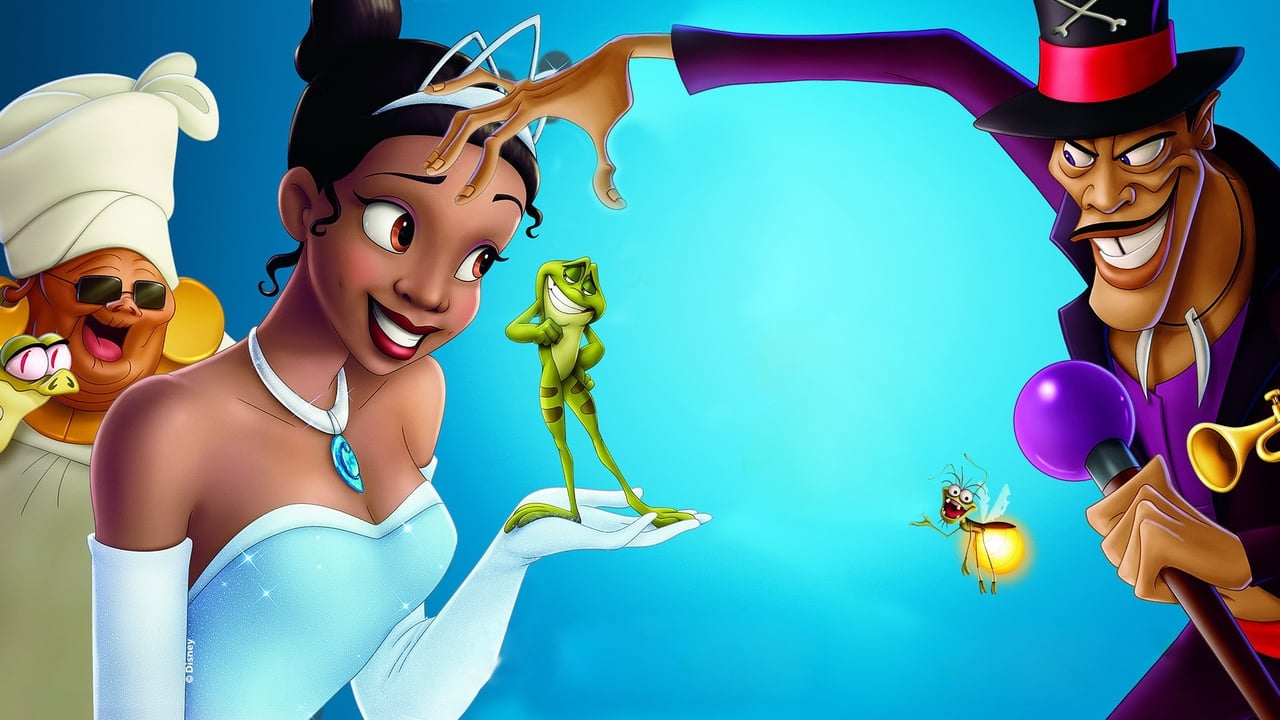
If there is a common complaint from fans, it’s that the two leads spend about 80% of the movie as frogs. You lose some of that great character design and facial acting when they’re green blobs in the swamp. However, the movie makes up for it with Dr. Facilier.
He is arguably the last "great" Disney villain. He isn't misunderstood or "gray"—he’s a charismatic predator with a killer musical number. The voodoo elements are stylized and colorful, but the "Shadow Man" and his "Friends on the Other Side" are genuinely unnerving. If your kid is sensitive to supernatural imagery or jump scares, you might want to sit close during his scenes. The ending for the villain is particularly dark, involving a debt being "collected" in a way that feels more like a horror movie than a fairy tale.
Why it belongs on the watchlist
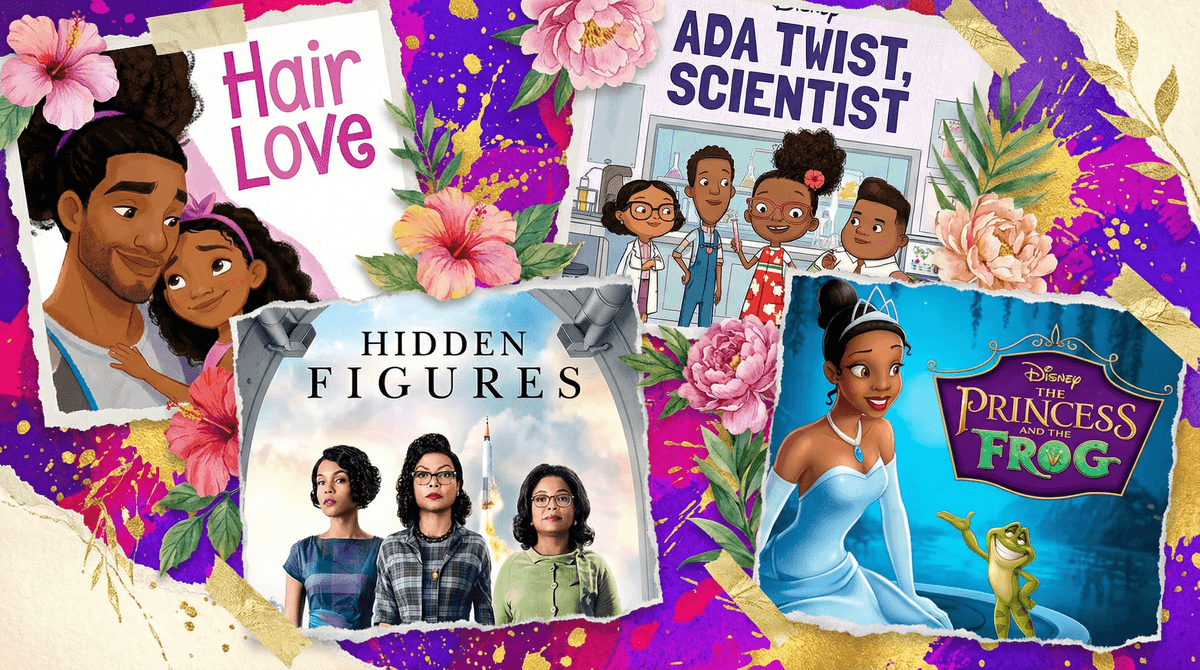
Despite being over 15 years old, the movie’s celebration of New Orleans culture—the food, the jazz, and the specific history of the French Quarter—feels vibrant and intentional. It’s a standout in any collection of Black family movies because it doesn't just swap a character's skin tone; it builds the entire story around a specific, lived-in American city. It’s a movie about the American Dream, the cost of ambition, and why you should never kiss a random amphibian in a swamp.