The ultimate "low-throttle" movie
We live in an era of high-intensity, sensory-overload animation where every frame is packed with hidden gags and kinetic energy. This movie is the antidote to that. It doesn't try to wink at the adults with pop-culture references or keep kids glued with frantic editing. Instead, it leans into a watercolor-wash aesthetic that feels like a breathing version of the original A.A. Milne sketches.
If you’re trying to move away from the "bright lights and loud noises" style of modern streaming, this is one of the best low-stimulation movies for toddlers in the Disney catalog. It respects a child’s ability to sit with a quiet moment, making it a top-tier choice for a "wind-down" watch before a nap or after a particularly chaotic playdate.
Meta-storytelling for the pre-reading set
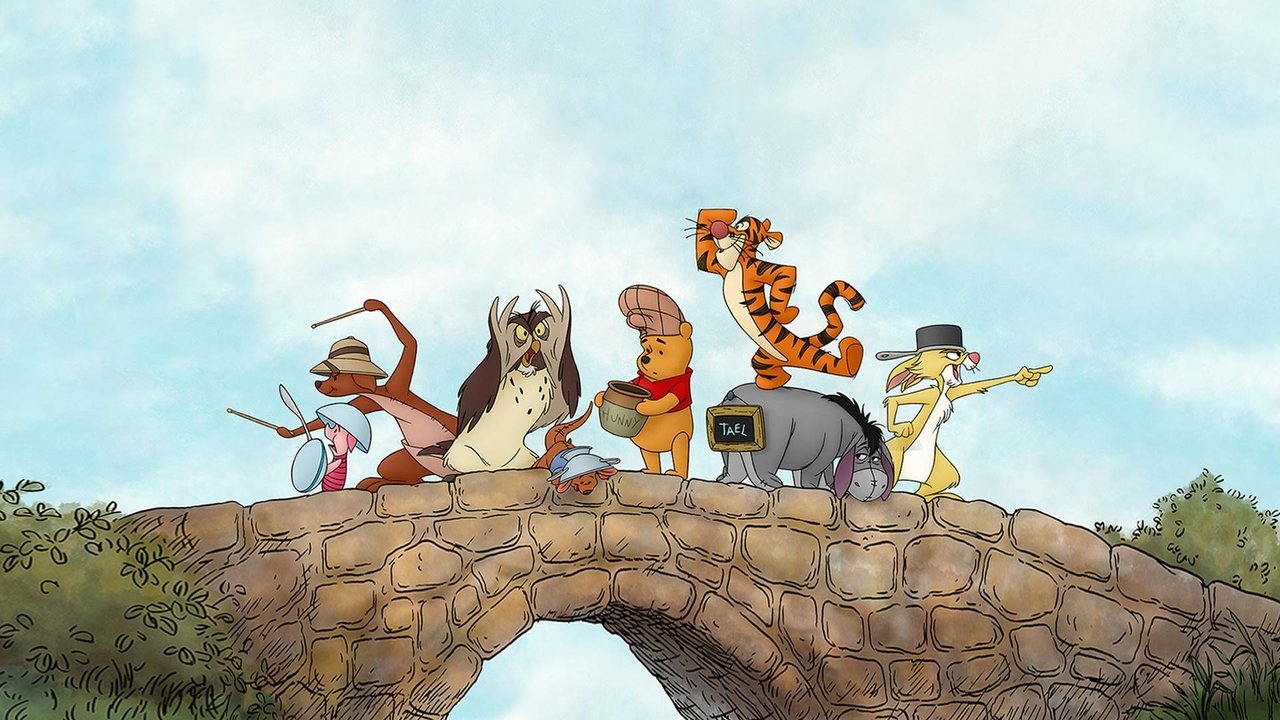
One of the coolest things about this version of Pooh is how it treats the physical book as a character. The characters don't just exist in the woods; they walk across paragraphs, trip over letters, and interact with the narrator. For a three-year-old, this is magic. It turns the concept of "reading" into a tangible playground.
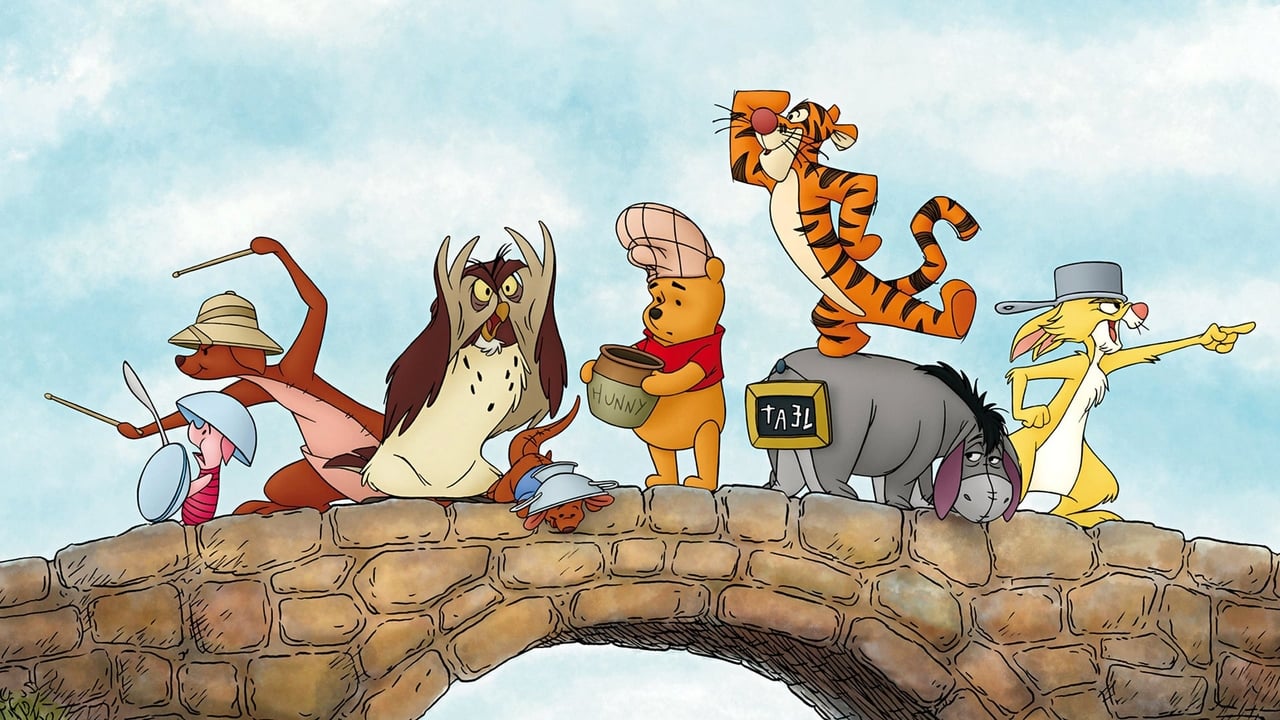
If you are looking for first movies for little kids, this meta-approach serves as a great bridge between picture books and cinema. It reinforces the idea that stories come from pages, and it does so without being academic or boring. The humor comes from the logic of the world—like Owl misinterpreting a note or the group trying to "trap" a monster with a jar of honey—which rewards kids who are just starting to understand how stories work.
The voice of a generation (or two)
There is a specific comfort in the vocal performances here. While many modern reboots swap out classic voices for the "celebrity of the month," this production leaned into the legacy of the characters. The voice cast manages to channel the 1960s and 70s versions of these characters so perfectly that you’ll likely find yourself feeling a strange sense of deja-vu.
This is largely thanks to the talent involved, including the legendary work of the man who has defined these roles for decades. If you want to know why Pooh sounds exactly like your childhood memories while still feeling fresh for your kids, check out The Voice of Two Generations: A Parent’s Guide to Jim Cummings. It’s that vocal consistency that makes this movie feel like a safe harbor rather than a jarring corporate reboot.
Why it might fail the "big kid" test
Let’s be real: if your seven-year-old is already deep into the high-stakes drama of Avatar or the fast-paced humor of The Bad Guys, they might find this movie excruciating. There is no "villain" in the traditional sense. The "Backson" is a figment of imagination born from a typo. The conflict is mostly about a donkey needing a new tail.
Critics loved it (90% on Rotten Tomatoes) because it’s a masterclass in traditional animation, but the audience score is a bit lower for a reason. Some viewers simply find it too slight. It’s a movie about nothing, in the best way possible. If your child needs a "hook" or a high-stakes adventure to stay engaged, you’re better off looking elsewhere. But if you want a film that models kindness, gentle misunderstanding, and the importance of a small pot of honey, this is the gold standard.