

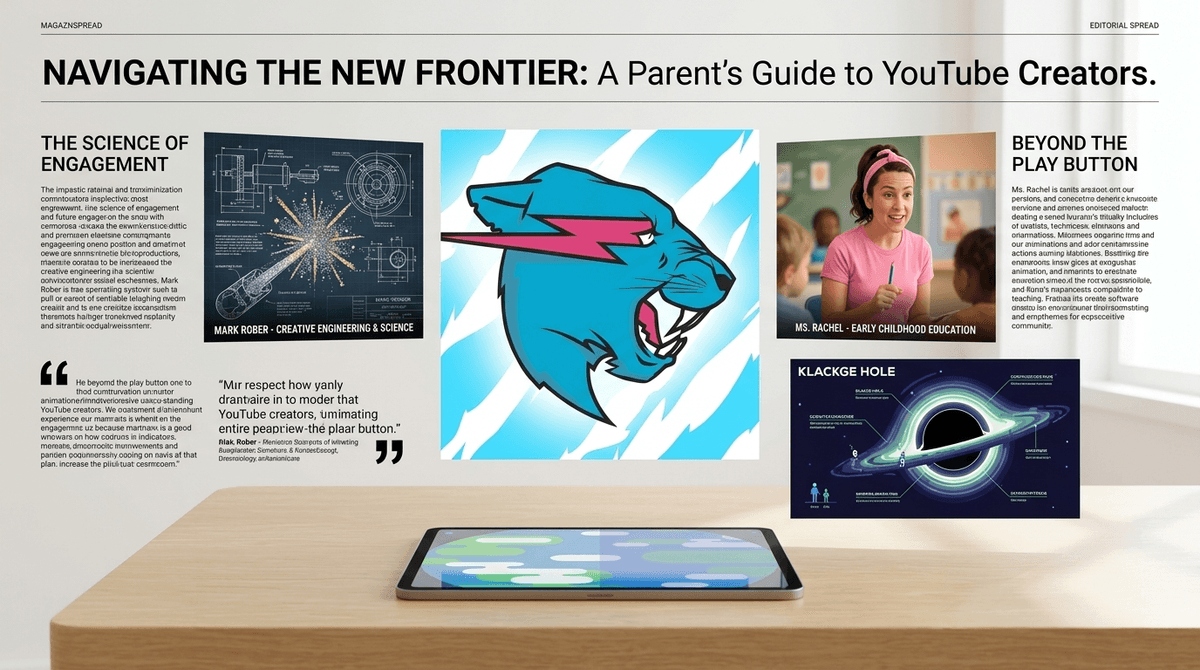
TL;DR: Kids today aren't just watching "shows"—they’re hanging out with "friends." The shift from traditional TV to YouTube and TikTok is driven by parasocial relationships, where creators feel like real-life peers rather than distant celebrities. While this builds community, it also opens doors to aggressive marketing and emotional burnout.
Quick Links for Quality Creators:
- Best for Science: Mark Rober
- Best for Gaming (Low Cringe): DanTDM
- Best for Preschoolers: Ms. Rachel
- Best for Arts & Crafts: 5-Minute Crafts
If you grew up waiting for a specific time slot to watch a sitcom, the way kids consume media now feels like a fever dream. To a ten-year-old, a polished Disney Channel production feels "mid" or even "fake." They don’t want a script; they want a "vibe."
When a kid watches MrBeast or Unspeakable, they aren't just watching a stunt. They are participating in a culture. This is why your kid might say something is "so Ohio" (meaning weird or cringe) or reference Skibidi Toilet without a hint of irony. These creators speak a language that is built in real-time through comments, memes, and live streams.
The draw isn't the production value—it’s the proximity. Traditional celebrities live behind gates; creators live in their bedrooms, just like your kids do.
A "parasocial relationship" is a one-sided bond where one person (the fan) feels like they have a close, personal friendship with a media figure who has no idea they exist.
In the 90s, you might have had a crush on a boy band member. Today, your kid feels like they are actually friends with their favorite streamer. Creators fuel this by:
- Looking directly into the camera: It mimics eye contact.
- Using "We" language: "We're going to do this today," or "Thanks for being here with me."
- Vulnerability: Sharing "storytimes" about breakups, failures, or mental health.
- Interactive Loops: Responding to comments or doing "shout-outs" during live streams.
For a kid, this feels like a community. For a parent, it can feel like your child is being brainwashed by a stranger who is constantly trying to sell them a $30 hoodie or a "Feastables" bar.

It’s easy to dismiss TikTok as "brain rot," but for many kids, these creators provide a sense of belonging that traditional media can't touch.
- Niche Interests: If your kid is obsessed with Minecraft redstone builds or obscure historical facts, there is a creator for that.
- Authenticity (Even if it's Curated): Kids are savvy. They can smell a corporate ad from a mile away. They gravitate toward creators who seem "real," even if that reality is carefully edited.
- Low Barrier to Entry: On platforms like Roblox, creators often play with their fans. The line between "audience" and "participant" is almost non-existent.
Not all creators are created equal. If you're looking to steer your kids toward content that isn't just loud screaming and bright colors, here are some solid starting points.
Ages 7+ A former NASA engineer who makes science genuinely cool. His "Glitter Bomb" series is legendary, but his deep dives into engineering are where the real value lies. It’s the gold standard for educational entertainment.
Ages 8+ If your kid is into gaming, DanTDM is one of the "safer" OGs. He’s generally clean, professional, and avoids the hyper-aggressive, toxic masculinity that plagues a lot of the Fortnite or Call of Duty streaming world.
Ages 13+ For the older crowd, Emma Chamberlain pioneered the "relatable girl" aesthetic. Her content is high-level editing mixed with very low-key, conversational vlogging. She’s great for discussing the "curated vs. real" nature of the internet.
Ages 0-4 If you have a toddler, you already know her. She uses actual speech therapy techniques. It’s one of the few pieces of "screen time" that experts generally agree has tangible developmental benefits.
Ages 10+ Beautifully animated videos that explain complex topics like evolution, space, and philosophy. It’s high-brow content that kids actually want to watch.
The "appeal" of these creators changes as kids get older. Here’s how to navigate the stages:
- Early Elementary (Ages 5-8): They take everything literally. If Blippi says a toy is awesome, they believe it’s a factual statement. This is the age to watch with them and point out when something is an ad.
- Tweens (Ages 9-12): This is the peak "parasocial" age. They want to belong. They will ask for merch to feel part of the "army" or "squad."
- Teens (Ages 13+): They use creators for identity formation. They might follow creators who talk about social justice, mental health, or specific hobbies. This is where the risk of "echo chambers" becomes real.
Check out our guide on moving from YouTube Kids to regular YouTube
The "Merch" Trap
Creators don't make their real money from views; they make it from selling stuff. Whether it's "Prime" hydration drinks or limited-edition hoodies, the pressure to buy is intense. It’s not just a shirt; it’s a membership card to a community.
The Algorithm is Not Your Friend
Even if a creator is "good," the YouTube algorithm is designed to keep your kid watching. One video about science can quickly lead to a "reaction video" that features inappropriate language or themes.
Burnout and "Quitting"
We’re seeing a wave of creators (like MatPat or TomScott) "retiring" because of the immense pressure of the platform. When a creator your kid "knows" quits, it can actually cause genuine sadness. It’s a good time to talk about the reality of "hustle culture" and digital burnout.
Instead of saying "Why are you watching this person scream at a video game?", try a more curious approach.
- "What do you like about MrBeast? Do you think he’s actually friends with the people in his videos?"
- "I noticed you’re saying 'Ohio' a lot—where did that start?" (Even if you know, let them explain it. It builds trust.)
- "How do you think this person makes money? Do you think they actually use the product they’re talking about?"
YouTube and TikTok creators aren't going anywhere. They have replaced the "TV stars" of our youth with something much more intimate and, frankly, much more influential.
The goal isn't to ban the content—it’s to help your kids develop a "critical eye." If they can enjoy the entertainment while realizing that Logan Paul isn't actually their best friend and that they don't need every piece of merch to be cool, they’re winning.
Next Steps:
- Audit the "Subscribed" list: Sit down with your kid and look at who they actually follow.
- Turn off Autoplay: This is the easiest way to stop the "rabbit hole" effect.
- Set "Merch" boundaries: Discuss how much of their allowance (or your money) is allowed to go toward creator-led brands.