

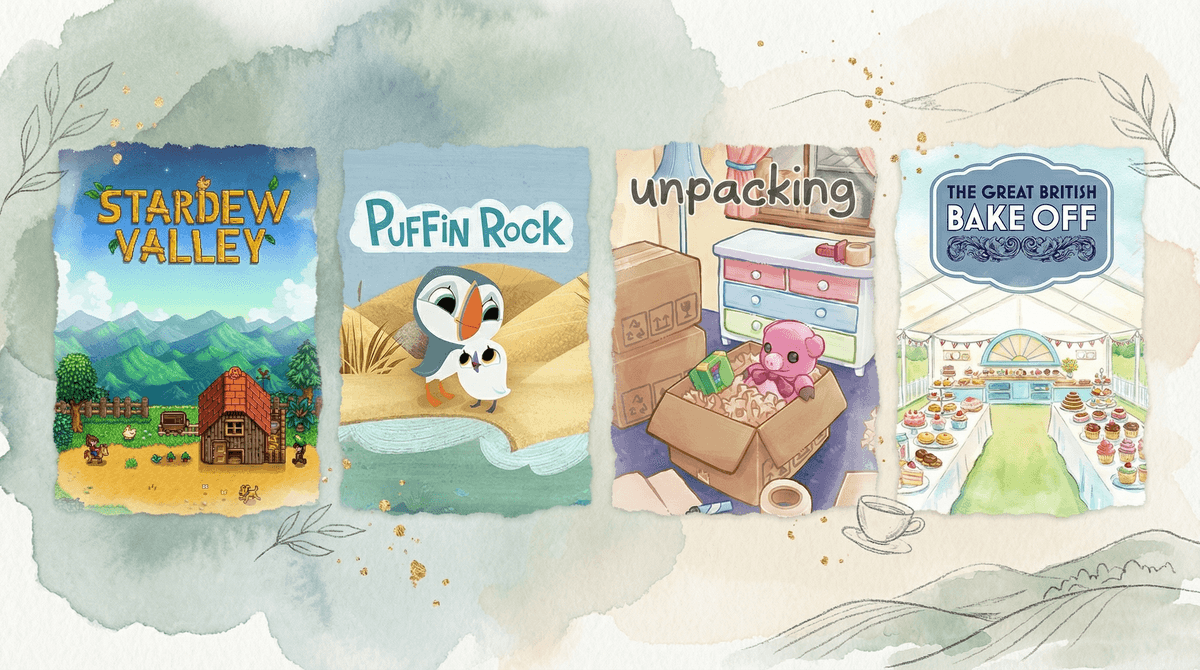
Not all screen time is created equal, and honestly? We all know this instinctively. There's a massive difference between doomscrolling TikTok at 11pm and watching The Great British Baking Show with a cup of tea. One leaves you wired and depleted. The other actually helps you unwind.
The same is true for kids. Some screen activities genuinely help them decompress and regulate their emotions. Others rev them up, overstimulate them, or leave them feeling worse than when they started.
Restorative screen time is digital activity that actually helps someone relax, recover, or feel recharged. It's the difference between passive consumption that soothes versus the algorithmic rabbit holes that activate our stress response every 3 seconds.
The tricky part? It's not always obvious which is which, and it varies by kid.
Here's what research tells us: not all "relaxation" is actually relaxing. That thing where your kid says they need to "relax" with Fortnite after school, then emerges 90 minutes later more wound up than before? That's not restoration—that's stimulation masquerading as downtime.
True restorative activities help regulate the nervous system. They lower cortisol, don't spike dopamine in that addictive way, and leave people feeling genuinely better afterward.
The problem is that most of what kids gravitate toward is designed to be engaging, not restorative. YouTube algorithms, competitive multiplayer games, infinite scroll feeds—these are built to keep attention, not to help someone genuinely decompress.
And when kids (or adults) use stimulating content to try to relax, they often end up needing MORE screen time to feel okay, not less. It's the digital equivalent of eating candy for dinner—feels good in the moment, crashes hard later.
Here's the thing: it depends on the kid, their age, and their state of mind. But there are some patterns.
Generally Restorative Activities:
Cozy gaming - Games with low stakes, predictable patterns, and creative elements. Think Stardew Valley, Animal Crossing, Unpacking, or even creative mode in Minecraft. No timers, no jump scares, no competitive pressure.
Comfort rewatches - That show they've seen 47 times? Actually restorative. The predictability is soothing. Bluey, Avatar: The Last Airbender, Studio Ghibli films—these work because kids know what's coming.
Guided content with clear endpoints - A single episode of a favorite show. A specific YouTube video about their special interest (not the autoplay spiral). An audiobook or podcast with a defined length.
Creative digital activities - Digital art apps like Procreate, music creation in GarageBand, building in Roblox Studio (not playing games). The key is creation over consumption.
Calm app-based activities - Meditation apps, sleep stories, ambient soundscapes. Apps like Headspace or Calm literally designed for this.
Usually NOT Restorative:
- Competitive multiplayer games (even if they say it relaxes them)
- Infinite scroll social media feeds
- Fast-paced action games with jump scares or time pressure
- Content that requires constant decision-making or reaction
- Anything with notifications pinging
- "Just one more episode" streaming binges that mess with sleep
Here's the test: How do they seem afterward?
Restorative screen time leaves kids:
- Calmer than when they started
- Able to transition away without a meltdown
- More regulated emotionally
- Sometimes even energized in a good way
Non-restorative screen time leaves kids:
- More irritable or wound up
- Struggling to stop or transition
- Zoned out or "zombie-like"
- Asking for more screen time immediately
Pay attention to the pattern. If your kid insists Fortnite relaxes them but they're a mess every time they play, that's your answer. If they genuinely seem peaceful after an hour of building in Minecraft creative mode, believe the evidence.
Ages 5-8: Restorative screen time is still pretty limited at this age. They do best with short, predictable content. A single episode of Bluey or Puffin Rock. Simple creative apps. Audiobooks at bedtime.
Ages 8-12: This is when you can start differentiating more. Some kids genuinely unwind with cozy games. Others do better with comfort shows. Many kids this age are using YouTube extensively , so helping them curate restorative channels versus the hyperstimulating ones is key.
Ages 13+: Teens can often identify what actually helps them relax versus what just feels like it should. Having explicit conversations about this—"Do you feel better or worse after scrolling Instagram for an hour?"—can build metacognition. Some teens find comfort in Stardew Valley or watching cooking videos. Others need to admit that TikTok isn't actually helping.
The "I'm relaxing" defense is real but not always accurate. Kids genuinely believe they're relaxing when they're actually just dissociating or overstimulated. Your job isn't to be the fun police—it's to help them notice patterns.
Restorative screen time still needs boundaries. Just because Animal Crossing is genuinely calming doesn't mean 4 hours of it before bed is a good idea. Even good screen time needs limits.
Context matters enormously. A kid who's already overstimulated from school needs different screen time than a kid who's been sick in bed all day. A rainy Sunday afternoon allows for different choices than a weeknight before homework.
Co-viewing and co-playing changes everything. Watching a show together or playing a cozy game side-by-side is almost always more restorative than solo screen time. It adds the relational buffer that helps regulate.
Screen time that actually relaxes does exist. It's just not most of what's designed to capture attention in 2026.
The goal isn't to eliminate all stimulating content—sometimes kids want and need that engagement. But if the only way your kid knows how to unwind is through a screen, and that screen time leaves them depleted, something's off.
Help them build a menu of actually restorative options. Notice what works. Name the difference between "this makes me feel better" and "this just distracts me from feeling bad."
Because here's the thing: teaching kids to identify what genuinely helps them relax—digital or otherwise—is a life skill that'll serve them way beyond childhood.
Try a one-week experiment: Have your kid rate how they feel before and after different screen activities on a simple 1-5 scale. See what patterns emerge.
Build a "actually relaxing" list together of shows, games, and apps that pass the test. Keep it visible for those "I need to unwind" moments.
Explore cozy games that might work for your kid's age and interests.
And if you want to understand your family's screen patterns better in context with your community, Screenwise's personalized survey can help you see where you actually stand—not where the internet thinks you should be.