

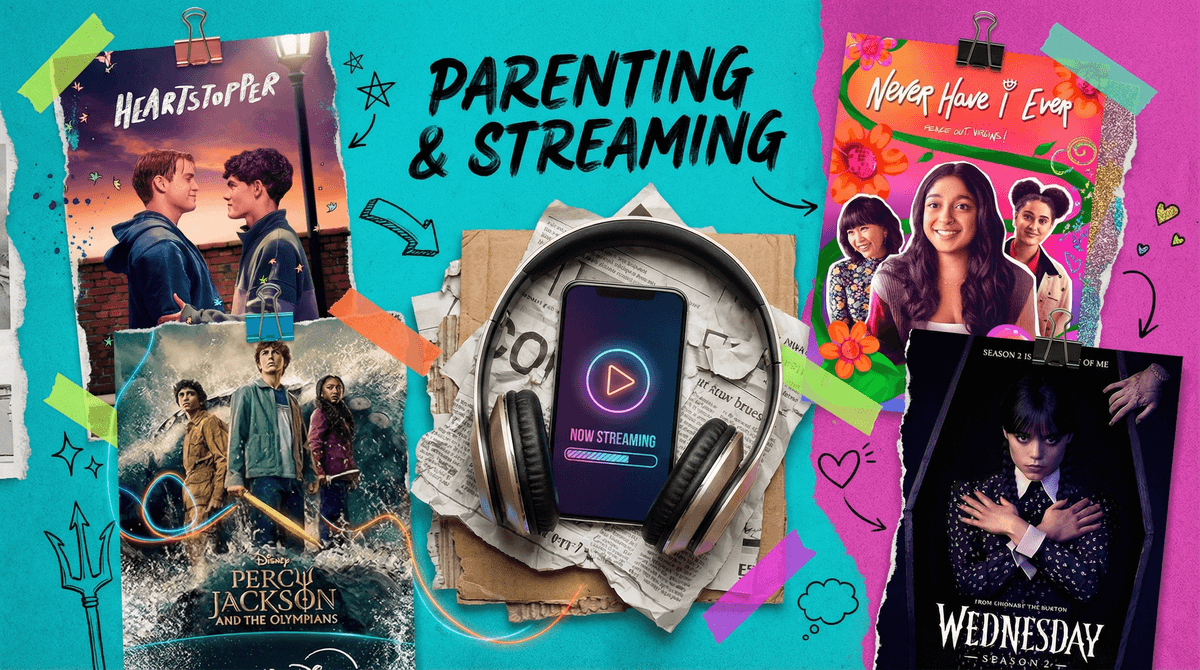
Look, teen TV has come a long way since the days of Dawson's Creek and The O.C. The streaming era has ushered in a golden age of teen content that's more diverse, more sophisticated, and honestly, sometimes more mature than what we grew up with. We're talking shows that tackle mental health, sexuality, identity, and social issues head-on—which is great for representation and real conversations, but also means you can't just hit play and assume it's appropriate for your 13-year-old.
Right now, the teen TV landscape is dominated by a few major players: Netflix continues to churn out teen dramas like it's their job (because it is), HBO Max and Hulu are creating critically acclaimed series that blur the line between "teen" and "adult" content, and Disney+ is trying to thread the needle between their wholesome brand and actual teenage realities.
The tricky part? "Teen TV" now spans everything from genuinely age-appropriate shows for 13-year-olds to TV-MA rated series that are about teens but definitely not for teens. And your kid's friends are probably watching all of it.
Let's talk about what's currently streaming and what you're likely to hear about at the dinner table:
Heartstopper (Netflix) remains the gold standard for wholesome teen content. Season 3 just dropped, and it continues to be that rare show that's genuinely sweet without being saccharine. It follows LGBTQ+ teens navigating relationships, mental health, and identity with remarkable tenderness. Ages 12+ for most kids, though some parents start younger depending on family conversations around sexuality and identity.
Percy Jackson and the Olympians (Disney+) is the adaptation fans have been waiting for. It's fantasy adventure done right, with mythology, humor, and heart. This one's genuinely family-friendly and works for a wide age range. Ages 8+ for most viewers.
The Summer I Turned Pretty (Prime Video) is the beach-read-turned-TV-show that has middle and high school girls in a chokehold. It's a love triangle drama that's relatively tame compared to other teen shows, but still deals with first love, family dynamics, and grief. Ages 13+ is reasonable, though the relationship drama can feel intense for younger viewers.
Outer Banks (Netflix) continues to be wildly popular despite being absolutely bananas plot-wise. Treasure hunting teens, class warfare, and increasingly ridiculous stakes. It's rated TV-MA for language, some violence, and sexual content. Despite the teen characters, this is really Ages 15+ territory.
Ginny & Georgia (Netflix) is back for another season of mother-daughter drama that tackles some genuinely heavy topics—self-harm, racial identity, trauma—alongside typical teen relationship chaos. The show tries to do a lot, and it doesn't always stick the landing, but teens are watching. Ages 15+ minimum, and honestly, it's worth watching yourself first.
Here's where we need to talk about the elephant in the room: Euphoria. It's about high schoolers. It's marketed to teens. And it is absolutely, unequivocally not for teens. We're talking graphic drug use, explicit sexual content, violence, and deeply disturbing themes. The cinematography is stunning, the performances are incredible, and it should not be watched by anyone under 17—and even then, it's a lot.
The same goes for shows like Sex Education (Netflix), which despite being funny and ultimately sex-positive, features extremely explicit content that's more appropriate for older teens (16+) who are ready for very frank conversations about sexuality.
Teen TV today does something that previous generations of teen content didn't always do well: it takes teenage experiences seriously. These shows don't talk down to their audience. They acknowledge that teens are dealing with real mental health struggles, complex identities, social pressures, and genuine heartbreak.
The best teen shows create characters who feel authentic—awkward, messy, contradictory, and real. When your kid sees themselves reflected in a character's anxiety, their questioning of identity, or their complicated family dynamics, that's powerful. It's why they'll binge an entire season in a weekend.
But here's the thing: representation and relatability don't automatically make something age-appropriate. A show can authentically portray teen depression while also including content that's too mature for actual teens to process.
The term "teen" covers ages 13-19, which is a massive developmental span. What works for a 17-year-old is not what works for a 13-year-old. Here's a rough framework:
Ages 11-13 (Middle School):
- Heartstopper
- Percy Jackson and the Olympians
- Never Have I Ever (with some conversations about sexual content)
- The Owl House
Ages 13-15 (Early High School):
- The Summer I Turned Pretty
- Stranger Things (though it's gotten darker)
- Wednesday
- Avatar: The Last Airbender (technically not new, but having a renaissance)
Ages 15-17 (Older High School):
- Outer Banks
- Ginny & Georgia
- Sex Education (16+, really)
- All of Us Are Dead (if they can handle zombie horror)
Ages 17+:
First, check the rating, but don't stop there. TV-14 can mean wildly different things depending on the show. Read actual parent reviews on sites like Common Sense Media or check out our media pages for specific shows.
Second, watch the first episode yourself. You don't need to preview every episode of every show, but watching the pilot gives you a sense of tone, content, and whether it aligns with your family's values. Plus, it gives you context for the inevitable references at dinner.
Third, talk about what they're watching. Not in an interrogation way, but in a genuine "what's this show about?" way. Ask who their favorite character is and why. Ask what they think about how the show handled a particular situation. These conversations are where the real learning happens.
Fourth, be honest about your concerns. If your kid wants to watch something you think is too mature, explain why. "I'm not comfortable with you watching that yet because it includes [specific content], and I don't think it's appropriate for where you are right now" is a completely valid boundary.
Finally, know that they might watch it anyway. At a friend's house, on their phone, wherever. Which is why the conversations matter more than the restrictions. If they're going to encounter this content (and they probably will), better they can talk to you about it.
Teen TV in 2026 is a mixed bag of genuinely excellent, age-appropriate content and shows that are absolutely not meant for the teens they depict. The good news? There are more quality options than ever before. The challenging news? You actually have to pay attention to what your kid is watching because the ratings don't tell the whole story.
Your 13-year-old probably doesn't need to watch Euphoria, no matter how much they insist "everyone" is watching it. But Heartstopper? That might spark some really beautiful conversations about love, identity, and mental health.
The goal isn't to shield your teen from every difficult topic—it's to make sure the content they're consuming matches their developmental readiness and that you're there to help them process what they're seeing.
Start here: Ask your kid what they're currently watching or want to watch. Look it up together. Make it collaborative rather than restrictive.
Then: Pick one show to watch together. Make it a thing. Get snacks. It's not about surveillance—it's about shared experience and opening up conversation.
Finally: If you want to dig deeper into specific shows, explore our media pages for detailed breakdowns, or check out our guide on navigating streaming services for more family-friendly recommendations.
And hey, if you need to have a conversation about why your kid can't watch a particular show yet, we can help with that too .
.