The "Cozy Horror" bait-and-switch
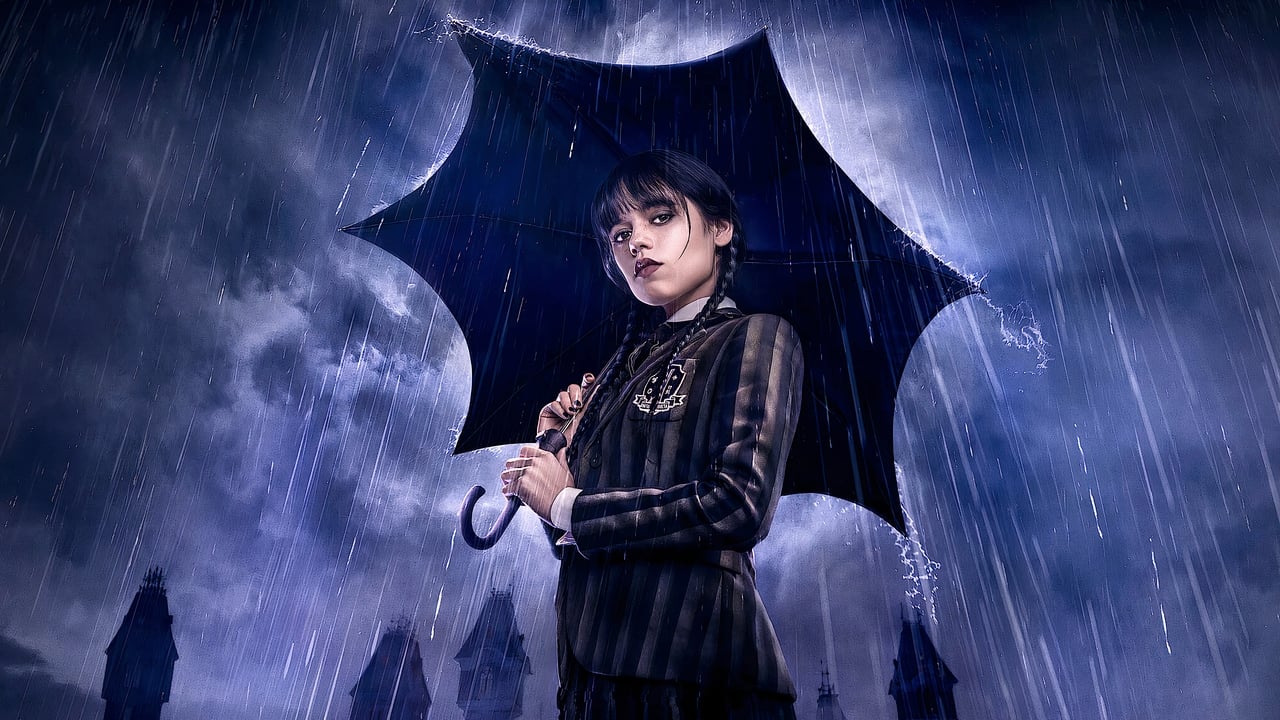
Don't let the viral dance clips or the school setting fool you. While this show lives on Netflix alongside brighter teen fare, its DNA is pure gothic mystery. It’s essentially a slasher-adjacent mystery wrapped in a private school uniform. If your kid is coming from the animated Addams Family movies, this is a massive jump in intensity. We are talking about a serial killer plot involving dismemberment and a monster that actually looks the part.
The show works because it doesn't blink. It treats the "Outcasts vs. Normies" conflict with a level of cynical wit that usually eludes teen dramas. It’s visually stunning, but that beauty is often found in the macabre—think jars of body parts and blood-soaked flashbacks. If you are trying to figure out if they are ready, check our guide on age-appropriate scary content for tweens and teens to see where they fall on the "gateway horror" spectrum.
The anti-hero at the dinner table
Wednesday Addams is not a role model in the traditional sense. She is pathologically blunt, emotionally cold, and frequently manipulates the people who try to help her. For a lot of parents, the friction isn't the gore—it’s the attitude. She spends eight episodes being "dead inside" as a personality trait, which can be a lot for a younger viewer to parse without some context.
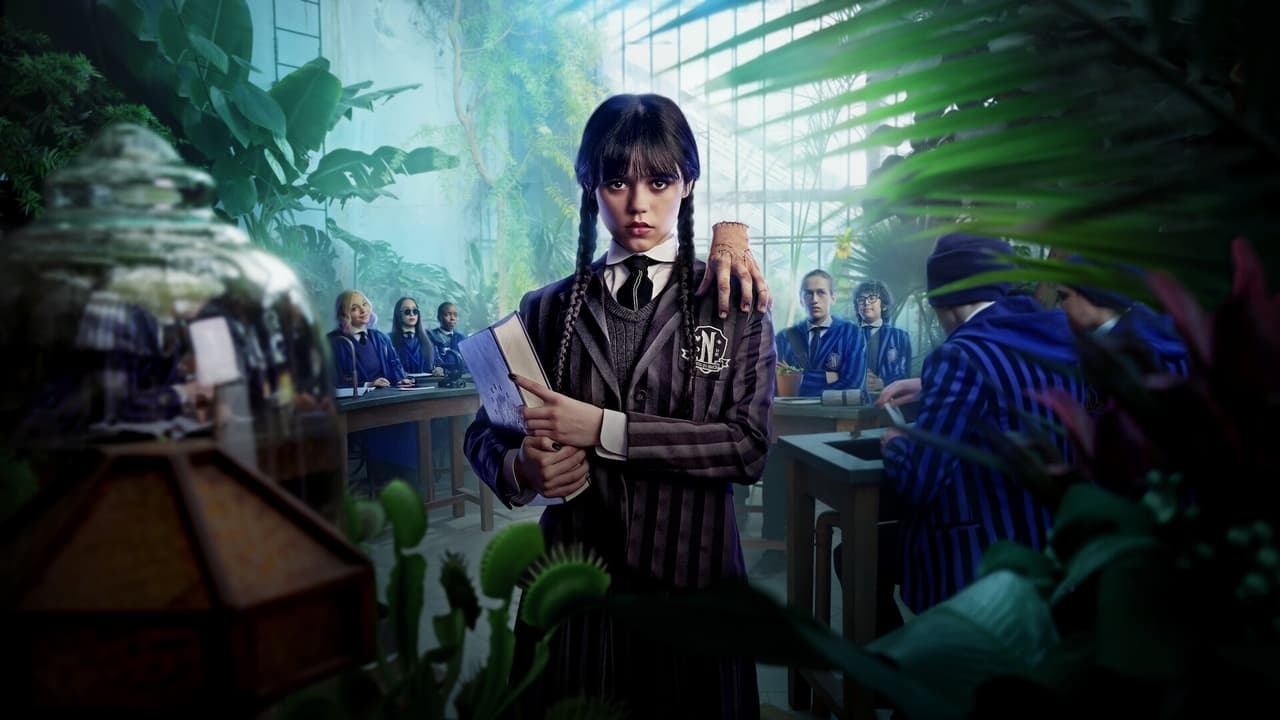
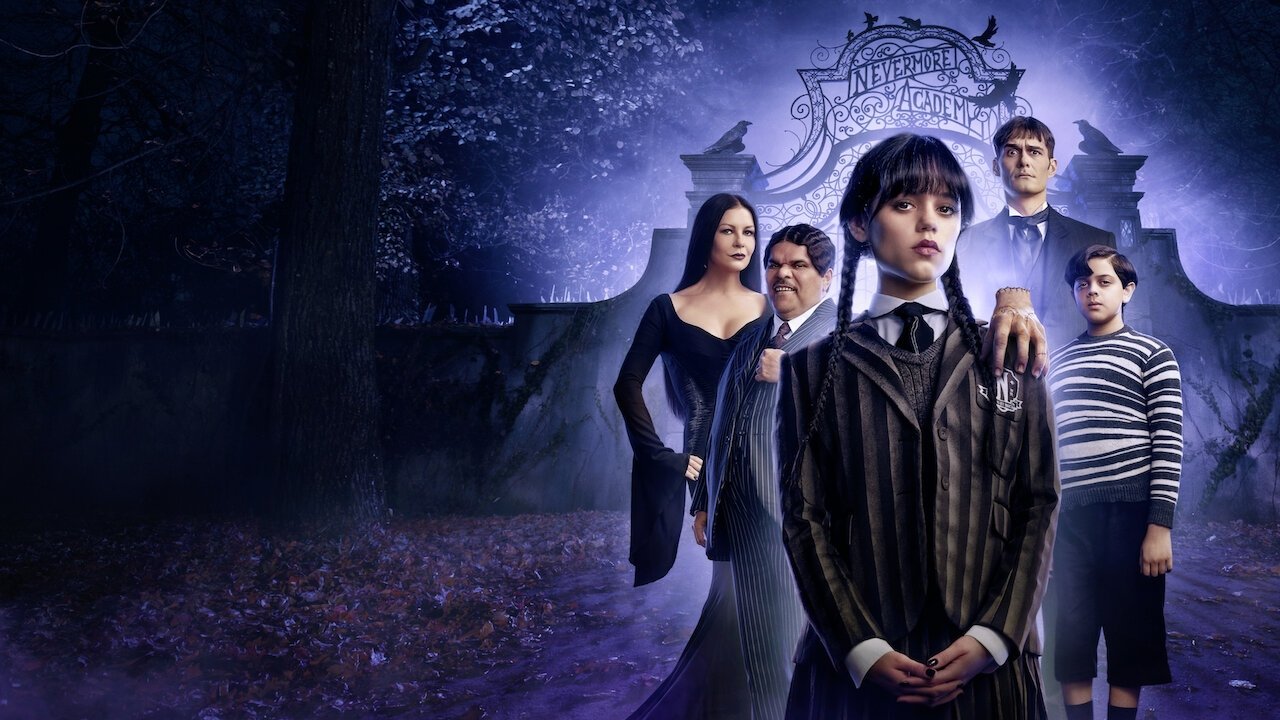
However, there is a reason she resonated so hard with Gen Z. In a world of performative positivity, her refusal to smile or pander is a superpower. Watching Jenna Ortega navigate the social hierarchy of Nevermore Academy provides a great opening to talk about anti-heroes in popular media. She isn't a "bad guy," but she isn't "nice" either. Discussing the difference between being independent and being isolated is where the real value of the show lies.
If they liked Harry Potter or Stranger Things
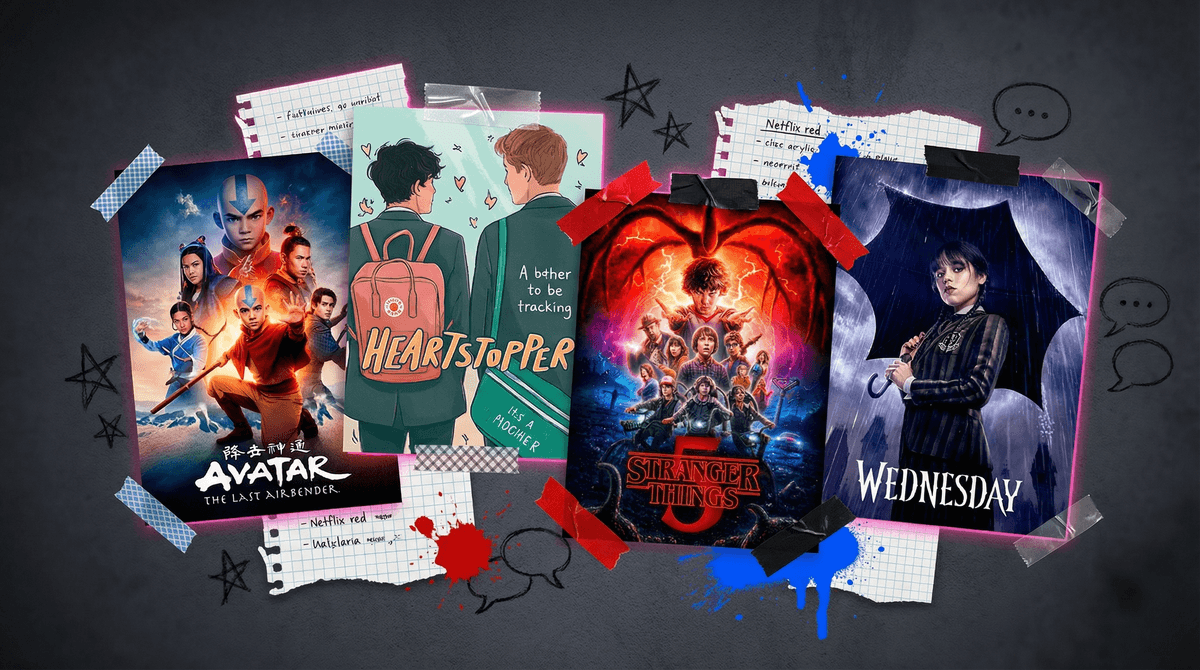
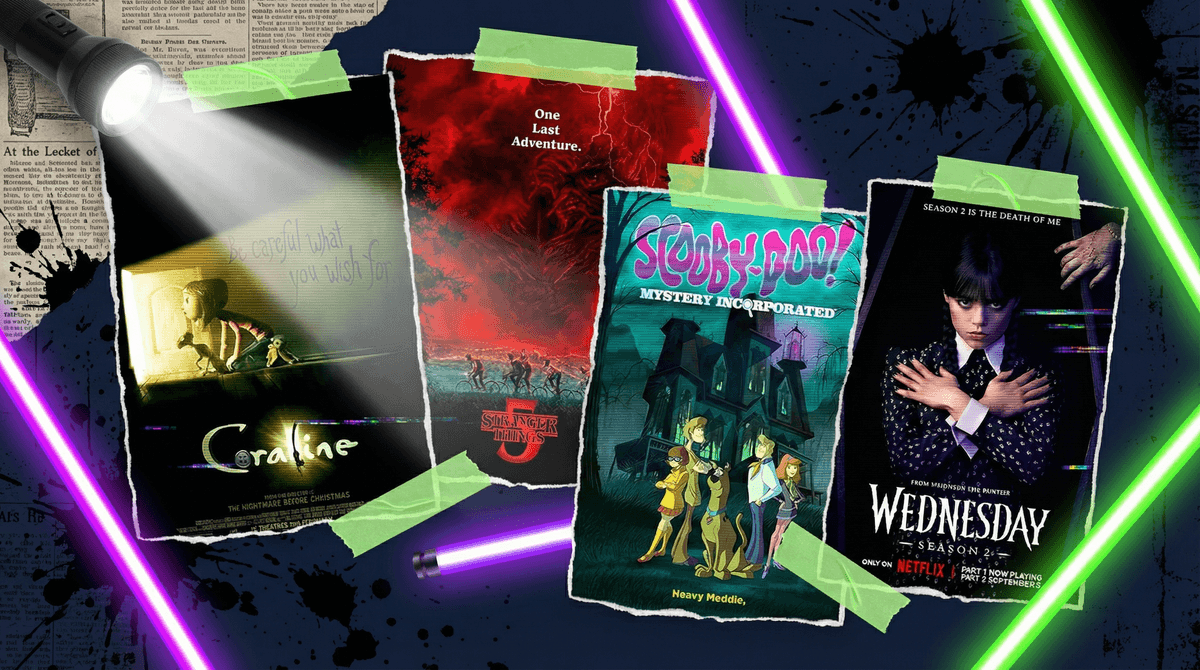
If your teenager lived through the later, darker Harry Potter films or the more intense seasons of Stranger Things, they are the target audience here. Wednesday hits that same "teenagers in over their heads" sweet spot, but with a sharper, more satirical edge.
The mystery itself is solid. It’s a genuine "whodunit" that rewards kids who actually pay attention to the background details rather than just scrolling their phones. It encourages a specific kind of critical thinking—tracking clues, questioning narrators, and spotting red flags in relationships. Just be prepared for the fallout: once they finish the season, they’ll likely want to lean into the "goth" aesthetic, which is a much cheaper phase to manage than a sudden obsession with high-end tech.