

TL;DR: Letters from Iwo Jima is a masterpiece that flips the script on the typical "American hero" war narrative. It’s rated R for intense war violence, but for mature teens (14+), it’s an essential lesson in empathy, showing the "enemy" as human beings with families and fears.
Quick Links:
- The Companion Piece: Flags of Our Fathers
- For Context: Saving Private Ryan
- A Modern Comparison: 1917
- The "Humanity in War" Guide: war movies for teens
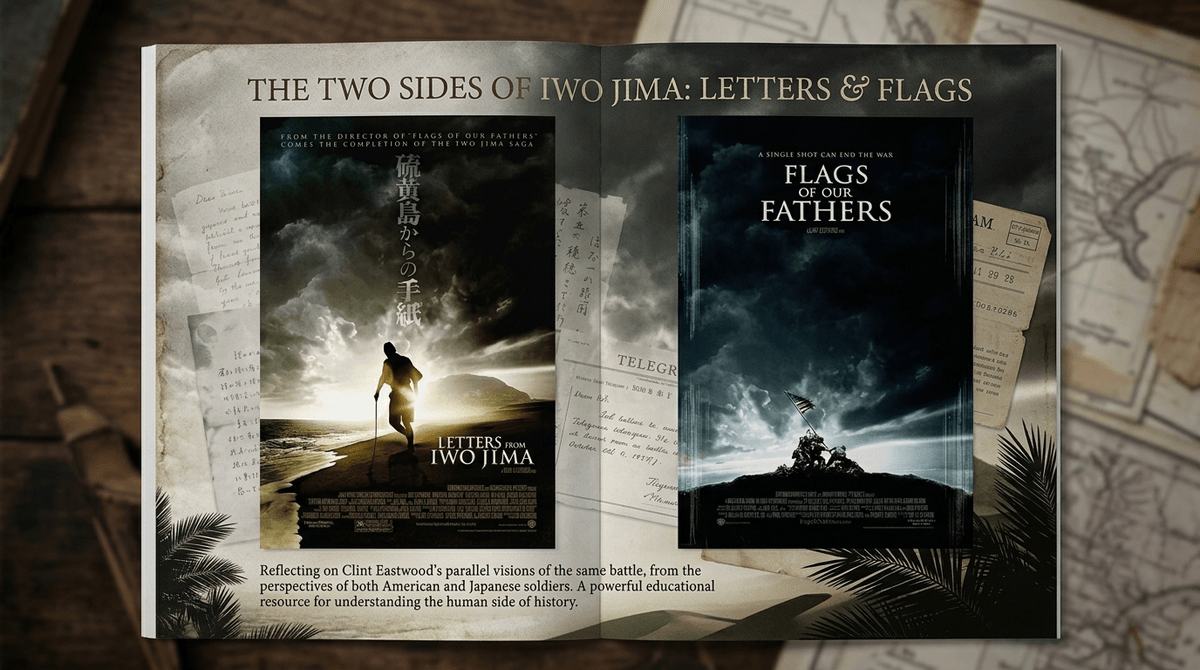
Directed by Clint Eastwood, Letters from Iwo Jima is the "other half" of a massive cinematic experiment. In 2006, Eastwood released two movies about the same battle. Flags of Our Fathers told the American story, while Letters told the Japanese story.
The film is almost entirely in Japanese (with subtitles) and follows General Tadamichi Kuribayashi and a young baker-turned-soldier named Saigo as they prepare for the inevitable American invasion of the island. It’s not about "winning" the war; it’s about a group of men who know they are going to die and are trying to find meaning in their final days.
If your kid plays Call of Duty or Battlefield, they’ve seen war as a high-octane sport. They’ve seen the "enemy" as a faceless target in a crosshair.
Letters from Iwo Jima is the antidote to that. It forces the viewer to sit with the "other side." It shows that the Japanese soldiers weren't just "imperial fanatics"—they were guys who missed their wives, worried about their businesses, and didn't want to be there any more than the Americans did.
In a world where social media algorithms are constantly pushing us to "other" people who are different from us, this movie is a 141-minute masterclass in shared humanity.
Let’s be real: this movie is heavy. It’s rated R for a reason.
The Violence: It’s a war movie. There are explosions, limbs lost, and intense combat. But unlike some "slasher-style" war movies, the violence here is somber and tragic, not "cool."
The Hardest Part: The most difficult scenes for many teens (and parents) aren't the combat scenes, but the scenes involving ritual suicide (seppuku). There is a sequence where soldiers use grenades to take their own lives rather than surrender. It is gut-wrenching and requires a conversation afterward.
The Subtitles: If your teen is used to TikTok's 15-second dopamine hits, a two-hour subtitled film might feel like a chore. However, it’s a great way to practice "deep attention." You can’t scroll Instagram and watch this movie at the same time, or you’ll miss the story.
Learn more about helping your teen manage screen-time distractions
If your family is exploring history or war narratives, here is how Letters from Iwo Jima stacks up against other popular titles:
While Saving Private Ryan is the gold standard for showing the physical brutality of D-Day, Letters is more focused on the psychological and spiritual weight of the Japanese experience. Both are great, but Letters feels more intimate.
The recent Netflix version of All Quiet on the Western Front is probably the closest comparison. Both movies strip away the "glory" of war and show it as a meat grinder for young men. If your teen handled All Quiet, they can handle Letters.
If your teen is a gamer, they might have played Ghost of Tsushima. While that game is set centuries earlier, it deals with similar themes of Japanese honor, duty, and the personal cost of war. Letters provides a more modern, grounded look at those same cultural concepts.
The movie gets its name from actual letters found buried on Iwo Jima decades after the war. This is a great "hook" for kids who think history is just boring dates in a textbook. These were real people.
Key Themes to Discuss:
- Propaganda: How were the Japanese soldiers told to view Americans? How does that compare to how we are sometimes told to view "enemies" today?
- Duty vs. Conscience: Many characters in the film disagree with the war but feel a duty to their country. How do you navigate that?
- The Role of Leadership: Contrast General Kuribayashi (played brilliantly by Ken Watanabe) with the more traditional, rigid officers.
Don't treat this like a school assignment. Just watch it together and let it breathe. Afterward, you might ask:
- "Which character did you relate to most? Was it the baker (Saigo) or the General?"
- "Did the movie change how you think about the 'bad guys' in history books?"
- "Why do you think the soldiers chose to bury their letters instead of burning them?"
Letters from Iwo Jima is a 10/10 film. It’s "intentional parenting" gold because it challenges the black-and-white thinking that is so prevalent in teen culture.
It’s not an easy watch, and it’s definitely not "brain rot." It’s a somber, beautiful, and deeply moving experience that will stay with your teen a lot longer than the latest YouTube trend.
Next Steps:
- Check out our guide on teaching empathy through media.
- If your teen is interested in more Japanese history, look into The Wind Rises for a different perspective on the WWII era.
- Compare the two sides by watching Flags of Our Fathers next weekend.
Check out our full list of recommended historical movies for teens