The "Wind" is the Secret Sauce
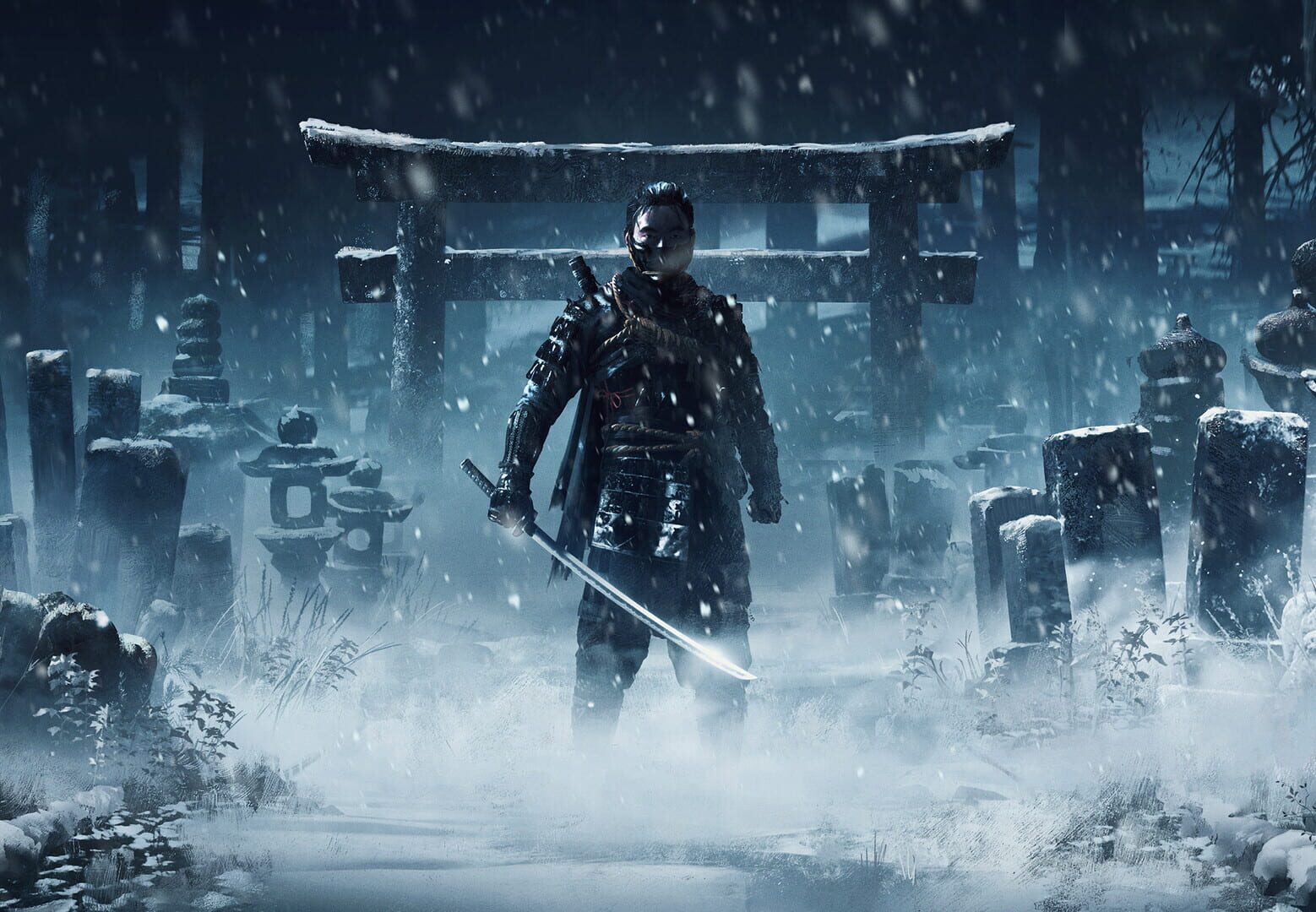
Most open-world games suffer from "map fatigue." You spend half your time staring at a mini-map in the corner of the screen, following a dotted line like a GPS. Sucker Punch Productions ditched that for the Guiding Wind. You swipe the touchpad, and a gust of wind blows grass, trees, and Jin’s cape toward your objective. It sounds like a small detail, but it changes everything. It forces you to look at the world instead of a menu.
This makes it one of those rare history games that don’t feel like homework. You aren't just checking boxes; you’re wandering through a living painting. If your teen is used to the cluttered UI of Assassin's Creed or Far Cry, this will feel like a breath of fresh air. It encourages a level of presence and observation that most big-budget titles ignore.
The Violence is "Prestige" Brutality
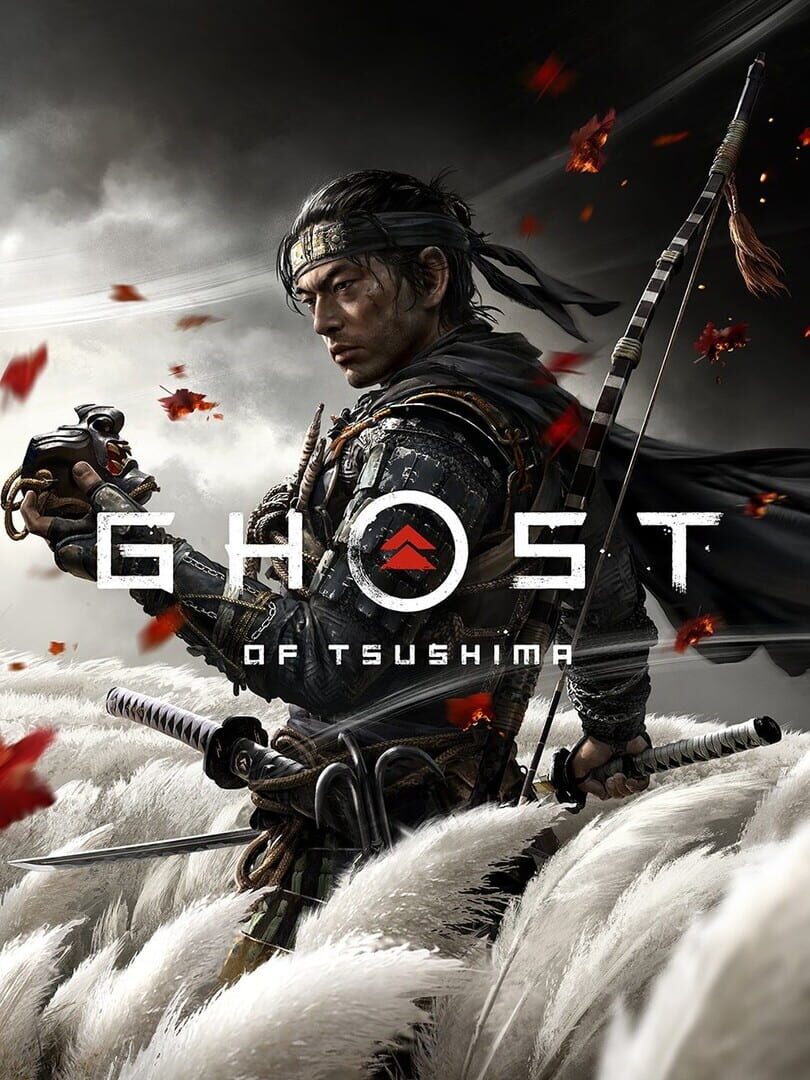
We need to talk about the combat because it’s why the game sits at an 88 on IGDB and why it’s strictly for the older crowd. This isn't the bouncy, bloodless combat of Kingdom Hearts. When Jin engages in a "Stand-off"—a cinematic one-on-one showdown—the camera zooms in tight. You wait for the enemy to twitch, then strike. The result is often a fountain of blood or a lost limb.
Even if you use the blood toggle, the animations are heavy. You feel the weight of the steel. The game also features "Kurosawa Mode," which turns the whole thing into a grainy, black-and-white samurai film. It’s a brilliant nod to classic cinema, but it also makes the violence feel more artistic and, in a way, more intentional. If you’re debating when your kid is ready for M-rated games, look at how they handle "prestige" violence versus "gratuitous" violence. This is the former. It’s meant to show the horror of the Mongol invasion, not just provide a cheap thrill.
Beyond the Katana
While the marketing focuses on the fighting, the best parts of Ghost of Tsushima are often the quietest. You’ll find yourself following golden birds to hidden shrines, composing haikus while looking over a cliffside, or resting in hot springs to reflect on Jin’s journey. These moments are essential. They provide a counterweight to the carnage and offer a surprisingly deep look into stories set in Asia that go beyond the "warrior" trope.
If your kid is a history buff, use the game as a springboard. The real Mongol invasion of 1274 didn't go exactly like this, and the samurai "code" in the game is more of a 19th-century romanticization than a 13th-century reality. It’s a perfect setup to talk about historical accuracy in video games. You can enjoy the cinematic magic while acknowledging that Sucker Punch took some major creative liberties to make Jin’s moral dilemma feel more modern and relatable.
The "Ghost" vs. The Samurai
The game’s core friction is Jin’s struggle between his upbringing (fight with honor, look your enemy in the eye) and the reality of war (use poison, strike from the shadows). The game actually makes you feel this. Early on, stealth feels "wrong" because the characters keep telling you it is. By the end, you realize it’s necessary. It’s a rare example of gameplay mechanics actually reinforcing the story’s themes. For a 16-year-old, this is a much more interesting conversation than "did you win the level?" It’s a story about what you’re willing to lose to save the people you love.