

Let's be direct: hate speech online is targeted content that attacks people based on their race, ethnicity, religion, gender, sexual orientation, disability, or other identity characteristics. It ranges from "edgy jokes" that normalize bigotry to outright calls for violence. And if your kid is online—which they probably are—they've likely encountered it already.
The tricky part? Hate speech doesn't always announce itself with a swastika or a slur. Today's online hate is often packaged as memes, "just asking questions" videos, or ironic humor that makes kids feel sophisticated for "getting it." A seemingly innocent gaming YouTuber might drop casual antisemitism. A funny TikTok might mock trans people. A Discord server about anime might have channels full of racist "jokes."
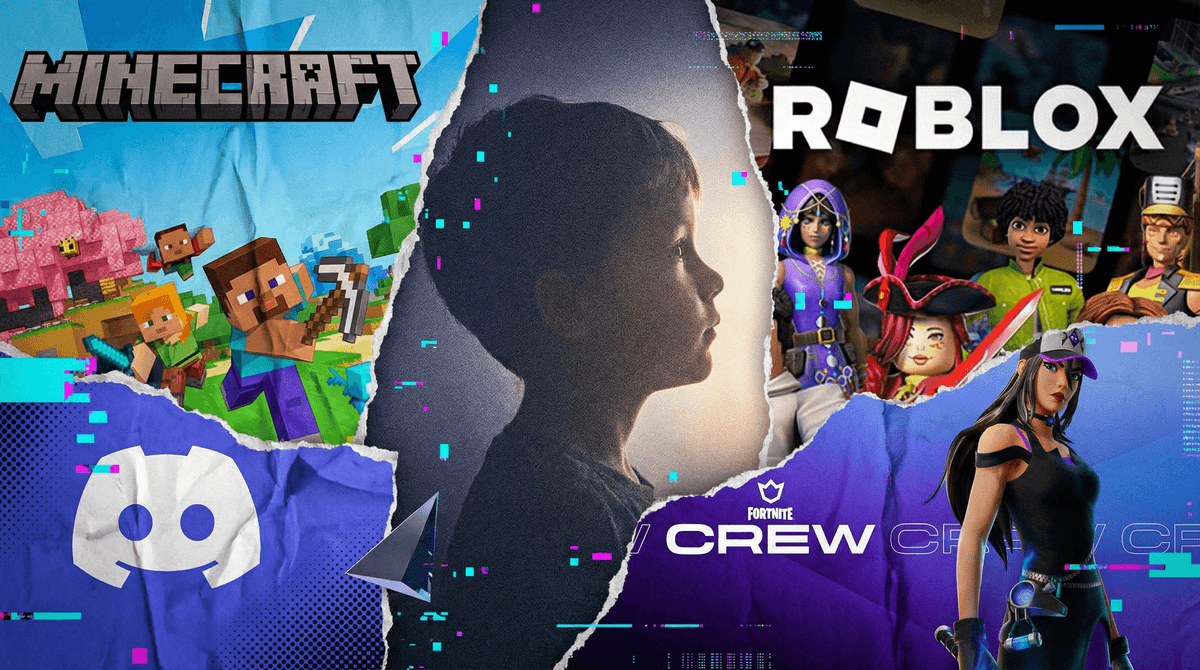
The platforms where kids encounter hate most often: YouTube comments, Discord servers, Roblox chat, TikTok, Instagram, gaming voice chat (especially in games like Fortnite and Call of Duty), and even seemingly innocent spaces like Minecraft servers.
Here's the uncomfortable truth: hate speech online isn't just random trolls in basements anymore. It's organized, it's strategic, and it specifically targets young people. Extremist groups know that kids and teens are forming their worldviews, and they've gotten really good at making bigotry look like rebellion, humor, or "free thinking."
Research shows that exposure to hate speech can:
- Normalize prejudice and make kids more accepting of discrimination
- Desensitize them to violence against marginalized groups
- Pull vulnerable kids (especially lonely boys) into radicalization pipelines
- Cause real psychological harm to kids who are targeted by it
And let's be clear: this isn't just about protecting kids from becoming hateful. Kids from marginalized communities are encountering slurs, threats, and dehumanizing content about themselves. Black kids see racism. Jewish kids see antisemitism. LGBTQ+ kids see homophobia and transphobia. The impact is real and it's immediate.
The "irony" shield: Kids will say "it's just a joke" or "it's ironic"—and sometimes they genuinely believe that repeating slurs ironically makes them different from "real" racists. Spoiler: it doesn't. The normalization is the point.
The radicalization funnel: It often starts innocently. A kid watches gaming content, then gets recommended "anti-woke" commentary, then "just asking questions" about Holocaust statistics, then... you see where this goes. YouTube's algorithm is particularly notorious for this pipeline.
The social pressure: In some online spaces, participating in edgy humor is the price of admission. Kids don't want to be the "sensitive" one who gets kicked from the Discord server.
The targeting of boys: Young men and boys are specifically targeted by hate movements that promise them belonging, purpose, and an explanation for why they feel left out. Want to understand how this works?
Your kid might be encountering or internalizing hate speech if you notice:
- Language changes: New slurs, dog whistles, or "ironic" bigoted jokes
- Obsession with being "anti-woke": Constant complaints about "cancel culture" or diversity
- Conspiracy thinking: Believing in shadowy groups controlling everything
- Dehumanizing language: Referring to groups of people as less than human
- Isolation in echo chambers: Only consuming content from one ideological bubble
- Defensive reactions: Getting angry when you question problematic content
- Victimhood narratives: Believing their demographic group is under attack
These don't mean your kid is lost to extremism. They mean it's time for conversation.
Start early and make it ongoing: Don't wait for a crisis. Talk about online hate the same way you talk about online safety—it's just part of digital literacy.
Ask questions first: "I heard you mention [thing]. Where did you hear about that?" "What do you think about [content]?" "How do your friends talk about this stuff?"
Explain the game: Help kids understand that hate groups specifically recruit online and that the "jokes" are often intentional propaganda. Teach them to recognize radicalization tactics.
Name it clearly: Don't dance around it. "That's antisemitism." "That's racist." "That dehumanizes trans people." Kids need the vocabulary.
Connect to real impact: Help them understand that this isn't abstract—real people are harmed. If possible, expose them to diverse voices and perspectives.
Teach critical thinking: Who benefits from this message? Who made this content? What are they trying to make you believe? Here's how to build these skills.
Don't shame curiosity: If your kid asks a question influenced by hate content, don't freak out. Answer it honestly. "I've heard people online say [thing]. Is that true?" is an opportunity, not a disaster.
Ages 6-10: Focus on basic empathy and kindness. Teach them that words hurt, even online. Introduce the concept that some people say mean things about groups of people, and that's wrong.
Ages 11-14: Explain that some online content tries to make people hate others. Teach them to recognize stereotypes and question what they see. Start discussing how algorithms can create echo chambers.
Ages 15-18: Have real conversations about ideology, radicalization, and how online movements recruit. Discuss free speech vs. harm. Help them develop a moral framework that can withstand peer pressure.
If your child is the target of hate speech:
- Believe them and validate their feelings: This stuff is genuinely harmful and scary
- Document everything: Screenshots, usernames, dates
- Report to the platform: Most have hate speech policies (enforcement varies)
- Consider involving school: If it involves classmates
- Get support: Therapist, support groups, community resources
- Teach safety skills: Blocking, privacy settings, how to protect their identity online
If your child is repeating or spreading hate speech:
- Don't panic: This doesn't mean they're irredeemable
- Have a calm conversation: Understand where they encountered it and why it appealed to them
- Set clear boundaries: "We don't use that language or share that content"
- Address underlying needs: Are they lonely? Looking for belonging? Feeling powerless?
- Diversify their media diet: Intentionally expose them to different perspectives
- Consider professional help: If they're deep in the pipeline, a therapist who specializes in radicalization can help
- Monitor without being obvious: Check their online activity, but don't make them feel surveilled in a way that pushes them further into secretive spaces
YouTube: The recommendation algorithm is the biggest risk. Consider watching with them, especially for kids under 13. Use restricted mode, but know it's not perfect.
Discord: Private servers can be breeding grounds. Ask to be added to servers, or at least know which ones they're in. Learn more about Discord safety.
Gaming voice chat: Some of the worst hate speech happens here. Consider requiring push-to-talk or disabling voice chat for younger kids.
TikTok/Instagram: The For You page can surface hate content. Teach them to use "not interested" aggressively.
Online hate speech isn't something that happens to other families. It's pervasive, it's sophisticated, and it's specifically designed to appeal to young people. Your job isn't to shield your kids from ever encountering it—that's impossible. Your job is to prepare them to recognize it, reject it, and understand why it's harmful.
This means ongoing conversations, not one big talk. It means monitoring their online life without being overbearing. It means teaching critical thinking skills and empathy in equal measure. And it means being the person they can come to when they encounter something disturbing, without fear of losing their devices or being lectured.
The good news? Kids who have strong relationships with adults, diverse friend groups, and critical thinking skills are far more resistant to radicalization. You don't have to be perfect. You just have to be present, informed, and willing to have hard conversations.
- Check your child's most-used platforms and review their privacy settings
- Have a conversation this week about something they saw online—start casual
- Diversify their media: add creators from different backgrounds to their feeds
- Learn about recognizing radicalization warning signs
- Consider using Screenwise to understand what's actually happening in your kid's digital world—because you can't address what you don't know about
You've got this. This is hard, but it's not impossible.