

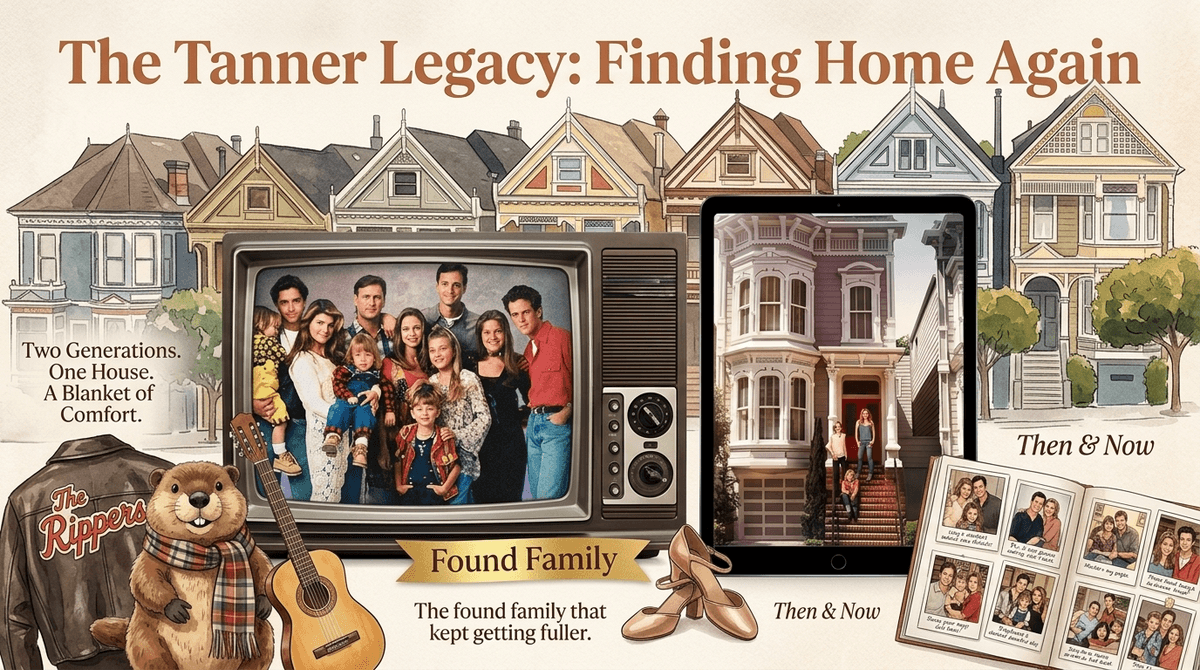
TL;DR: Full House is the ultimate "safe" comfort-watch for kids ages 5 and up. It’s predictable, wholesome, and features a high hug-to-minute ratio. If you’re moving into the Netflix sequel, Fuller House, expect a slight jump in "teen" humor and dating themes—best for ages 8+.
If your kid is currently spiraling down a YouTube rabbit hole of Skibidi Toilet or high-decibel Minecraft streamers, you might be looking for an "exit ramp" to something a bit more... grounded. Enter the Tanner family.
Whether you grew up watching D.J., Stephanie, and Michelle or you only know John Stamos from yogurt commercials, Full House remains a staple in the "gentle parenting" media diet. But does a show from 1987 actually hold up for a kid raised on Roblox and TikTok?
For the uninitiated (or those who blocked out the 90s), the premise is simple: After his wife passes away, Danny Tanner enlists his brother-in-law Jesse and his best friend Joey to help raise his three daughters in a San Francisco row house.
It’s the quintessential "family sitcom." Every episode follows a strict formula: a kid makes a mistake, there’s a misunderstanding, a catchy pop-rock transition plays, and then a 3-minute heart-to-heart talk happens where everyone learns a lesson. It’s formulaic, it’s cheesy, and honestly? In 2026, that predictability is exactly why it works.
In a digital landscape filled with "brain rot" and fast-paced editing, Full House feels like an analog weighted blanket.
- Relatable Stakes: The "problems" are things kids actually care about—getting a bad grade, feeling left out by friends, or accidentally denting the kitchen floor.
- The "Cool" Uncles: Jesse and Joey provide the comic relief that keeps the show from feeling like a lecture.
- The Michelle Effect: For younger viewers, watching Michelle Tanner grow from a baby to a sassy elementary schooler is a huge draw. She has "main character energy" before that was even a term.
While they share the same DNA, there is a distinct vibe shift between the original series and the Netflix revival.
- Vibe: Pure 90s earnestness.
- Age Rating: TV-G.
- Parental Notes: You’ll see some dated 90s tropes—occasional "diet culture" talk (the girls worrying about their weight in one or two episodes) and some very rigid gender roles in the early seasons. However, it’s remarkably clean. There’s no profanity, and the "edgiest" it gets is a secondary character mentioning they "went all the way" in a later season, which will fly right over a 7-year-old's head.
- Vibe: Modern, meta, and a bit more "extra."
- Age Rating: TV-PG.
- Parental Notes: This one is definitely aimed at the fans who grew up and now have kids. The humor is punchier and occasionally leans into "suggestive" territory. There’s more focus on the adult characters' dating lives, including some kissing and "mom-night-out" jokes involving drinking. It’s not Stranger Things level of intensity, but it’s less "innocent" than the original.
If your family finishes the Tanners and needs a new "safe" show, here’s how to pivot based on what they liked:
- If they loved the "Family Meetings": Try The Brady Bunch. It’s the blueprint for the Tanners.
- If they loved the sisterly bond: Go with The Baby-Sitters Club (Netflix). It’s modern, inclusive, and handles "big feelings" with the same respect.
- If they want something funnier/snappier: Home Economics or Modern Family (Ages 11+).
- If you have toddlers in the room: Bluey is the only show that captures the "parenting is hard but worth it" vibe as well as the early Tanner years.
Ages 5-7
This is the sweet spot for the original Full House. They’ll love Comet the dog and Joey’s puppets. You don't really need to "monitor" this—it's one of the few shows where you can actually go fold laundry in the other room without worrying about a sudden jump scare or inappropriate ad.
Ages 8-12
This age group will likely prefer Fuller House. They’ll relate to the school drama and the social media references. It’s a good bridge to more mature sitcoms like Gilmore Girls.
Ages 13+
Unless they’re watching for the "ironic 90s aesthetic" or pure nostalgia, most teens might find the Tanners a bit "cringe." If they do watch, it’s usually as a "palette cleanser" after watching something heavier like Euphoria (which, side note, is a whole different guide).
Let’s be real: Danny Tanner’s obsession with cleaning is a bit much, and the way the show solves every systemic issue with a 30-second hug is objectively unrealistic.
However, in a world where our kids are constantly bombarded with "Ohio" memes and the chaotic energy of MrBeast, there is actual value in "boring" media. Full House models empathy. It models men being emotionally vulnerable and physically affectionate with their kids. It models a "found family" that supports each other.
Is it high art? No. Is it better for their developing brains than 4 hours of unboxing videos? Absolutely.
Since the show is a time capsule of the late 80s and 90s, use it as a conversation starter:
- On Technology: "Did you notice they don't have cell phones? How do you think they found each other at the mall?"
- On Family Structure: "The Tanners have three dads! Families come in all different shapes, don't they?"
- On Conflict: "Do you think a hug always fixes a problem that big in real life? What else could they have done?"
Full House is a "Yes" show. It’s a safe bet for family movie night, a great background show for a sick day, and a rare piece of media that actually deserves its "wholesome" reputation. Just be prepared for your kids to start asking why you don't have a live-in uncle who does Bullwinkle impressions.
Next Steps:
- Start with Season 1 of the original series to see if the "vibe" sticks.
- If they find it too slow, jump to Fuller House on Netflix.
- Find other comfort-watch shows for your kids' ages
