The Best-Friend Mother Trap
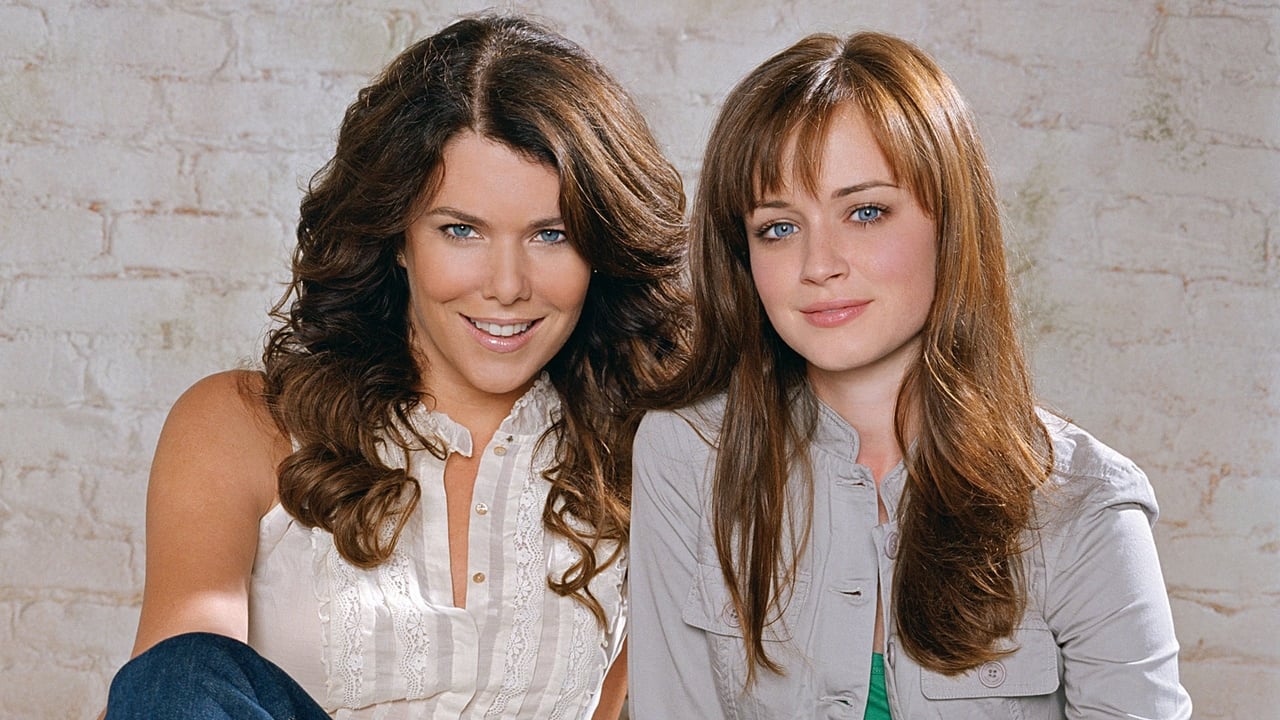
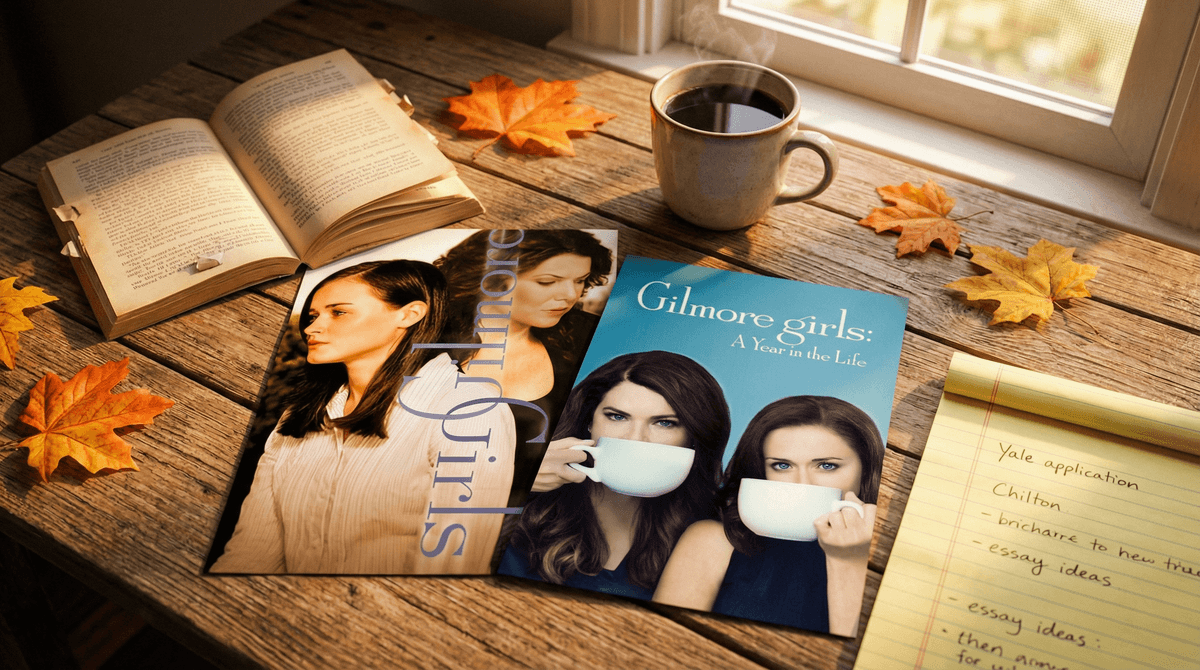
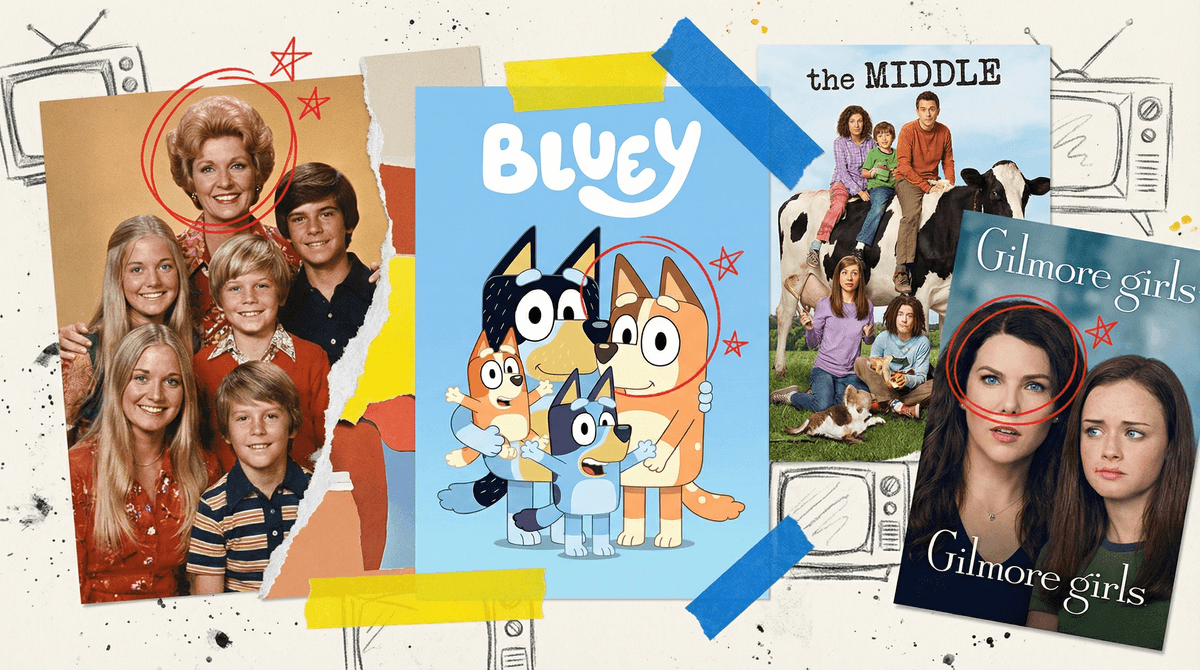
Gilmore Girls is famous for the quips and the coffee, but its real engine is the collision between parenting styles. Lorelai reacted to her cold, high-society mother Emily by doing the exact opposite with Rory: total transparency, zero curfews, junk food diets, and emotional enmeshment.
For a 12-year-old watching, Lorelai looks like the dream parent. For a parent watching, you notice how often Rory is forced into the caretaker role. When Lorelai breaks off an engagement or crashes a car, Rory acts as the steady adult in the house. It is one of the best shows to co-watch with a tween because you do not have to lecture them about boundaries. They will eventually see Rory burn out under the pressure of being the perfect daughter to a town that won't let her fail.
The Rory Pedestal Problem
The show famously ran seven seasons, and Rory's arc divides audiences cleanly into two camps: Chilton Rory (humble, diligent, bookish) and Yale Rory (entitled, defensive, adrift).
When a character is treated as universally special for four seasons, their first taste of real-world criticism lands like a bomb. In season five, a media titan tells Rory she doesn't have the instincts to be a top-tier journalist, and she completely melts down, arrests a yacht, and drops out of Yale. That transition feels jarring if you expect Rory to remain an inspirational poster child. If you treat it as an honest depiction of what happens to 'gifted' kids who never built resilience against failure, it becomes great television.