

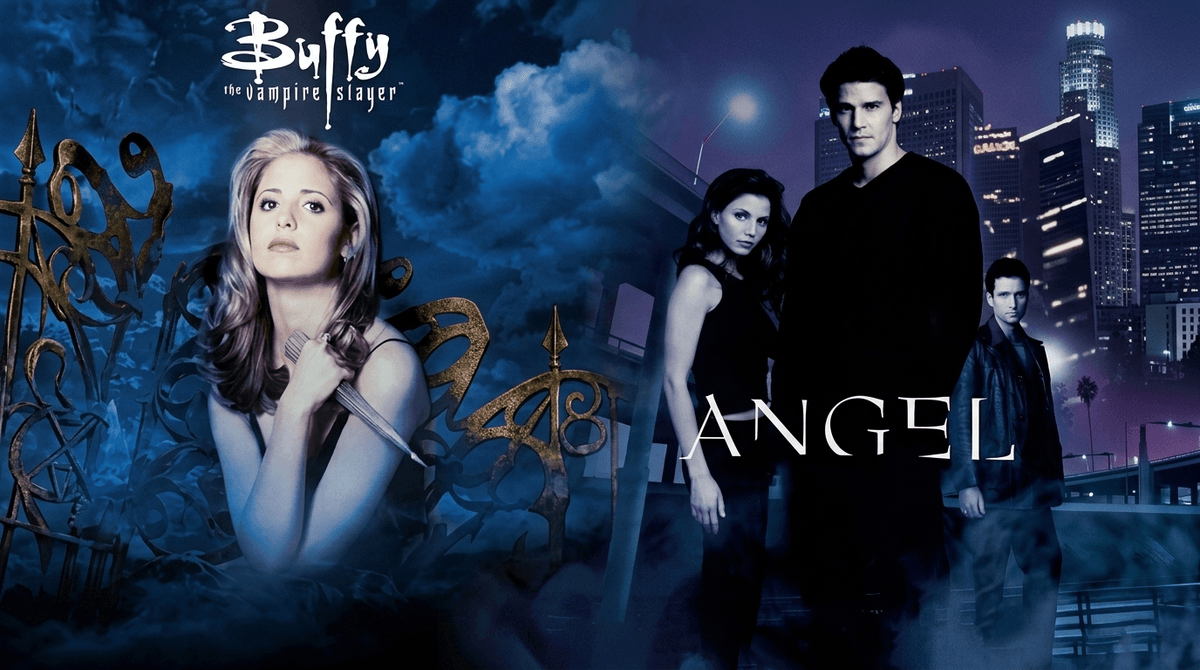
Buffy the Vampire Slayer is the quintessential "high school is actually hell" show, and while some of the 90s CGI looks like it was rendered on a toaster, the story’s exploration of power, identity, and female agency is still arguably better than 90% of what’s currently trending on Netflix.
If you’ve been seeing more stakes and crosses on your feed lately, it’s because the 2026 revival rumors have officially reached a fever pitch, making it the perfect time to figure out if the OG series is a "comfort watch" to share with your kids or a "wait until they’re older" situation.
TL;DR: Quick Links for the Hellmouth
- The OG Series: Buffy the Vampire Slayer (TV Show) - Best for ages 12+
- The Broody Spin-off: Angel (TV Show) - A bit darker, better for ages 14+
- Modern Vibes: Wednesday or Stranger Things
- Graphic Novels: Buffy the Vampire Slayer Season 8+
At its core, Buffy the Vampire Slayer is about Buffy Summers, a cheerleader who moves to Sunnydale, California, only to find out she’s the "Chosen One" destined to fight vampires, demons, and the forces of darkness. She’s joined by her "Scooby Gang"—the nerdy Willow, the lovable loser Xander, and her librarian/mentor Giles.
The genius of the show is that every monster is a metaphor. The boyfriend who turns into a monster after you sleep with him? Literally a vampire. The invisible girl who feels ignored by her peers? Actually invisible. It’s a masterclass in using genre to explain the trauma of puberty and young adulthood.
We’re seeing a massive resurgence in 90s and early-2000s media right now. According to Screenwise community data, about 18% of parents with middle-school-aged kids have introduced a "nostalgia show" into their rotation this year. With the recent announcement of the Slayer Chronicles (the 2026 reboot/continuation), Gen Alpha is discovering the "Buffy-speak" that defined a generation.
But it’s not just about nostalgia. In an era of "brain rot" content and 15-second TikTok loops, Buffy offers long-form serialized storytelling where characters actually face consequences. When a main character dies, they stay dead (mostly). When someone makes a mistake, it haunts them for three seasons. It’s the antithesis of the "reset button" style of content.
If your kid is interested in the supernatural or you’re looking for a bridge between "kid shows" and "adult dramas," here is how to navigate the Buffyverse and its successors.
This is where it starts. Seasons 1-3 are the "High School Years" and are generally the most accessible for younger teens. By Season 4, the show moves to college and the themes get significantly more mature (depression, grief, and complex relationships). Check out our guide on age-appropriate supernatural shows
When Buffy’s vampire boyfriend gets his own show in LA, things get noir. It’s more corporate, more violent, and deals with "adulting" in a way that might bore a 12-year-old but will fascinate a 16-year-old. It’s a great study in redemption arcs.
If your kid isn't ready for the 90s aesthetic of Buffy, Wednesday is the modern spiritual successor. It carries that same "outcast girl with powers" energy but with 2020s production values.
For the kid who likes the romance more than the monster-fighting. Be warned: this one leans much harder into the "toxic boyfriend" tropes that Buffy actually tried to deconstruct.
Let’s be real: Buffy isn't Bluey. It was a WB/UPN show, which means it pushed the boundaries of what was okay for broadcast TV in the 90s.
1. The Violence: It’s stylized. Vampires turn into dust (no blood), but there are still some genuinely creepy moments. The episode "Hush" features monsters called The Gentlemen who steal voices and cut out hearts. It’s nightmare fuel even for some adults.
2. The Relationships: This is the big one. Buffy has two major relationships with vampires (Angel and Spike). Both involve intense power imbalances and, in later seasons, some very dark moments—including an attempted sexual assault in Season 6 that is a mandatory "pause and talk" moment if you’re watching with your teen.
3. The Creator Controversy: It’s impossible to talk about Buffy in 2026 without mentioning Joss Whedon. Following the 2021 allegations of his toxic behavior on set, many fans have had to wrestle with "loving the art but hating the artist." This is actually a great conversation to have with older kids about workplace culture and accountability.
Watching Buffy with your teen is a goldmine for developmental growth. Here are a few ways to frame it:
- On Agency: "Buffy is the 'Chosen One,' but she constantly relies on her friends. Why do you think she can't do it alone?"
- On Metaphor: "The monster in this episode was a giant snake that represented the principal's authority. Does school ever feel like that to you?"
- On Toxic Love: "Angel loses his soul when he’s truly happy. How does that change the way Buffy has to think about her own happiness versus the safety of others?"
- On Feminism: Compare Buffy to modern heroes. How does her "girl power" feel different from someone like Captain Marvel?
Q: Is Buffy the Vampire Slayer appropriate for a 10-year-old?
Probably not. While the early seasons are rated TV-PG/TV-14, the themes of death, sexuality, and some of the more intense horror elements are better suited for ages 12 and up. If you have a very mature 10-year-old who loves Harry Potter, you might try the first few episodes together.
Q: Does Buffy have a lot of "cringe" 90s content?
Yes, but mostly in the fashion and the tech. Watching them try to "search the web" in 1997 is hilarious for kids today. However, the dialogue—known as "Buffy-speak"—is surprisingly modern and paved the way for the way characters talk in the MCU today.
Q: What are the main content warnings for Buffy?
Expect frequent fantasy violence, depictions of demons and vampires, some suggestive dialogue, and heavy themes like the death of a parent, depression, and toxic relationships. Season 6 is notably darker and more "adult" than the rest of the series.
Q: Is the Buffy reboot happening in 2026?
As of March 2026, a new project titled Slayer Chronicles has been greenlit for Disney+. It's expected to be a "next generation" story rather than a hard reboot of the original characters, which has kept the original's legacy intact.
Buffy the Vampire Slayer is more than just a "vampire show." It’s a foundational piece of digital culture that taught a generation how to be brave in the face of literal and metaphorical monsters. If you have a middle or high schooler, it’s a top-tier choice for a co-watching experience that actually sparks real conversations.
Next Steps:
- Start with Season 1, Episode 1: "Welcome to the Hellmouth."
- Set a Boundary: Decide now if you’re going to skip the more "adult" Season 6 or watch it together as a teaching moment.
- Check the Community: See what other Screenwise parents are saying about Buffy
