

Let's be real: the word "documentary" can either spark excitement or trigger flashbacks to that one nature film where the gazelle didn't make it. When you're trying to find documentaries for family viewing, you're walking a tightrope between "educational enough to feel good about screen time" and "engaging enough that nobody asks to switch to YouTube after five minutes."
The sweet spot? Documentaries that teach something meaningful, spark actual dinner table conversations, and don't require you to frantically grab the remote when something unexpectedly intense happens. We're talking content that respects kids' intelligence without overwhelming them with existential dread about climate change or graphic footage they can't unsee.
Here's the thing: documentaries teach kids how to think critically about the world in ways that scripted content just doesn't. They're seeing real people, real places, and real stories—which builds empathy and curiosity in ways that even the best fictional content can't quite match.
Plus, in an age where kids are consuming an endless stream of 60-second TikToks and YouTube shorts, documentaries teach them to slow down and engage with long-form storytelling. That's a skill that's genuinely becoming rare, and it matters for their ability to focus, learn, and process complex information.
Also? Some of these are just genuinely entertaining. Like, you'll find yourself invested in whether that octopus escapes the shark or if those rock climbers make it up the wall.
Ages 6-9: Wonder Without Overwhelm
My Octopus Teacher (Netflix) — Yes, it won an Oscar, and yes, it's genuinely magical. A filmmaker befriends an octopus in a South African kelp forest, and it's stunning without being scary. Fair warning: there's a bittersweet ending (circle of life stuff), but it's handled gently. Ages 7+.
Babies (Netflix) — This series follows babies through their first year and explains the science behind their development. It's fascinating for kids who are curious about how humans grow, and the babies are adorable enough to hold attention. Ages 6+.
Night on Earth (Netflix) — Incredible nighttime footage of animals doing their thing after dark. The technology they used to film this is mind-blowing, and kids love seeing animals they know in a completely different context. Ages 6+.
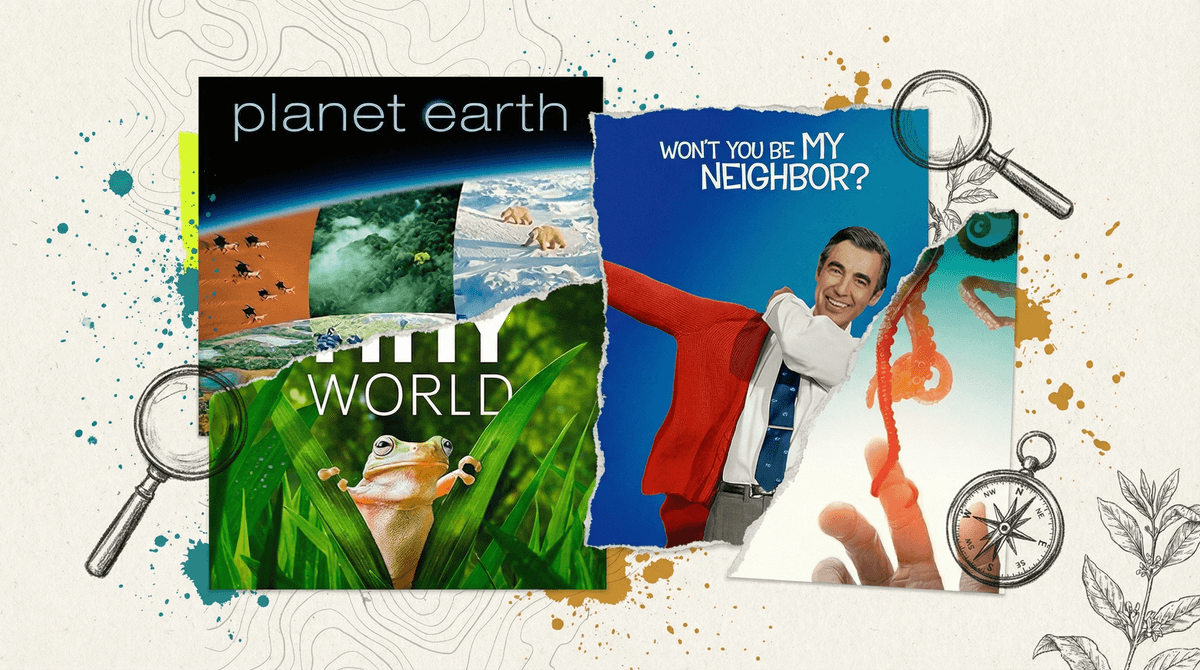
Tiny World (Apple TV+) — Narrated by Paul Rudd, this series shows the world from the perspective of very small animals. It's beautifully shot, genuinely funny at times, and the episodes are short enough for younger attention spans. Ages 5+.
Ages 10-13: Building Critical Thinking
The Social Dilemma (Netflix) — Okay, hear me out. This one's about social media's impact on society, and while it's intense, it's perfect for tweens who are starting to use social platforms. Watch it together and pause frequently to discuss. It's basically required viewing before they get Instagram. Ages 11+.
Free Solo (Hulu, Disney+) — Rock climber Alex Honnold climbs El Capitan without ropes. It's absolutely nerve-wracking (even for adults), but it's an incredible story about dedication, risk assessment, and pursuing your passion. Some kids find the heights too stressful, so know your audience. Ages 10+.
The Biggest Little Farm (Hulu) — A couple builds a sustainable farm from scratch. It's genuinely engaging, covers ecosystem science in an accessible way, and yes, there are adorable animals. Also some circle-of-life moments (predators and prey), but handled thoughtfully. Ages 8+.
Chasing Coral (Netflix) — About coral reef bleaching and climate change. It's sobering but not hopeless, and the underwater footage is stunning. Good for kids who are ready to understand environmental challenges without spiraling into eco-anxiety. Ages 10+.
Rising Phoenix (Netflix) — About Paralympic athletes and their journeys. Inspiring without being saccharine, and great for expanding kids' understanding of disability and athletic achievement. Ages 9+.
Ages 14+: Real-World Complexity
13th (Netflix) — Ava DuVernay's powerful documentary about race and mass incarceration in America. This is essential viewing for teens ready to understand systemic racism. It's heavy, so watch together and be ready for deep conversations. Ages 14+.
Won't You Be My Neighbor? (Max) — About Fred Rogers and his philosophy. Honestly, this one makes adults cry more than kids, but it's a beautiful exploration of kindness, media literacy, and emotional intelligence. Ages 10+ (but really, all ages).
The Last Dance (Netflix) — About Michael Jordan and the Chicago Bulls. Even if your teen doesn't care about basketball, it's a masterclass in competition, teamwork, and the psychology of greatness. Some language, so ages 13+.
Seaspiracy (Netflix) — About commercial fishing and ocean conservation. It's controversial and some claims have been disputed, which actually makes it perfect for teaching media literacy and fact-checking. Ages 13+.
The "Too Real" Factor
Some documentaries include footage that's educational but potentially disturbing—predator/prey dynamics, injury, death, or human suffering. Preview anything nature-related if your kid is sensitive to animals being hurt. For social issue documentaries, read parent reviews on Common Sense Media to gauge intensity.
The Pacing Problem
Kids raised on TikTok and YouTube might struggle with documentary pacing at first. Start with visually dynamic ones like Planet Earth or Our Planet that have constant visual interest. Work up to slower, dialogue-heavy documentaries as their attention spans develop.
The Conversation Catalyst
The real value of documentaries comes from discussing them afterward. Ask questions like:
- "What surprised you?"
- "What do you think about [specific issue]?"
- "How do you think they filmed that?"
- "What questions do you still have?"
Don't lecture—just facilitate curiosity.
Bias and Perspective
Documentaries aren't objective truth—they're storytelling with a perspective. For older kids (12+), this is a perfect opportunity to discuss media literacy: Who made this? What's their point of view? What might they be leaving out? This is especially important for issue-driven documentaries.
Netflix has the largest documentary library for families, hands down. Disney+ has excellent nature content (anything from Disneynature). Apple TV+ is producing gorgeous, kid-friendly documentary series. PBS (free with library card on PBS Passport) has tons of educational content, though production values vary.
If you're only subscribing to one service for documentaries, Netflix is probably your best bet for variety and age range.
The best documentary for your family is one that matches their curiosity level and your comfort with real-world content. A great documentary should leave everyone with questions, spark a Wikipedia deep-dive, or inspire a new interest.
Start with something visually stunning and low-stakes (nature documentaries are your friend here), then gradually introduce more complex topics as kids develop critical thinking skills. And remember: if they're asking questions and staying engaged, you're doing it right.
Not every documentary needs to be a profound learning experience. Sometimes Tiny World and some popcorn is exactly the vibe you need.
Looking for more specific recommendations? Find documentaries for your kid's specific interests or check out our guides on nature documentaries and educational shows by age.
Want to balance screen time overall? Take our family digital habits survey to see how your documentary watching fits into your broader media diet—and how it compares to families like yours.