The anti-algorithm antidote
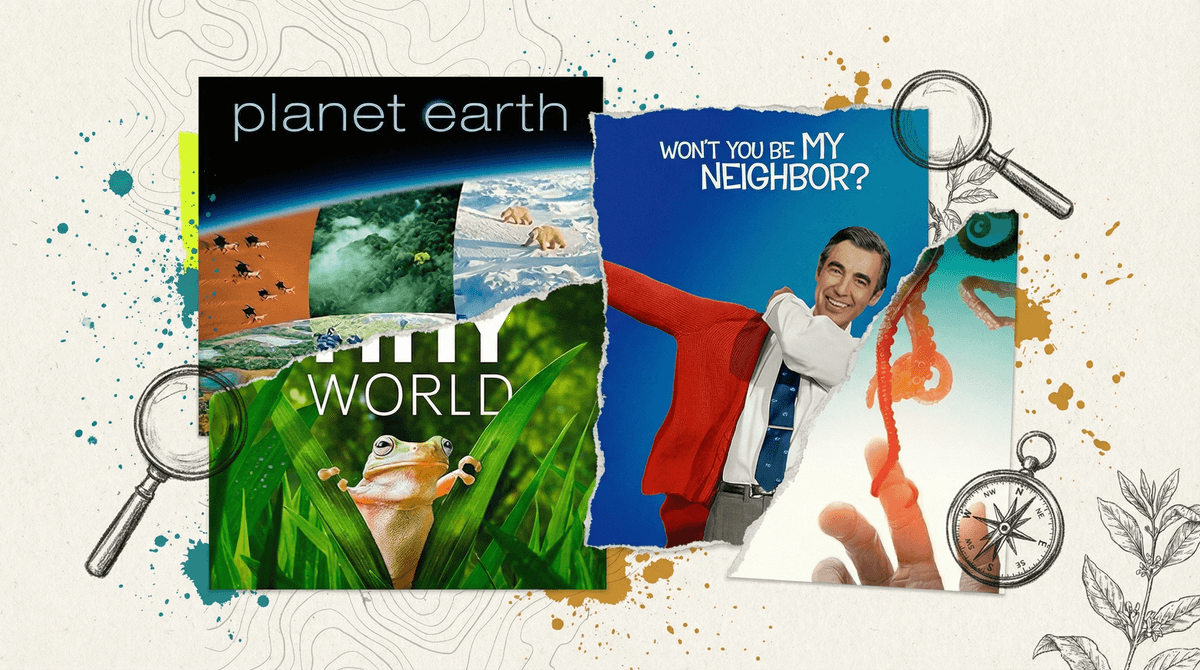
If you’ve spent any time lately looking at the high-decibel, neon-soaked chaos that passes for children’s programming on YouTube, Won’t You Be My Neighbor? will feel like a sanctuary. It is a quiet, deliberate film about a quiet, deliberate man. Critics essentially reached a consensus on this one, evidenced by a massive 97% on Rotten Tomatoes and a Metacritic score of 85. It’s a rare bird in the documentary world because it manages to be deeply nostalgic without being a syrupy clip show.
The film isn't just a biography. It’s an argument for a specific kind of intentionality. Fred Rogers viewed the space between the screen and the child as "holy ground," and watching him defend that space in front of a Senate subcommittee is the closest thing to a superhero origin story you’ll find in a documentary. If you're trying to figure out how to find age-appropriate historical content that actually sticks, this is the gold standard for how to talk to kids without talking down to them.
The PG-13 reality check
Don't let the "Mister Rogers" branding fool you into thinking this is a family movie night pick for the preschool set. The PG-13 rating is a real hurdle for a reason. There is some profanity and a brief moment of archival nudity that usually catches parents off guard. More importantly, the film deals with heavy, unvarnished reality. We see archival footage of the Robert Kennedy assassination and the Challenger explosion.
The documentary mirrors Rogers' own philosophy: kids can handle the truth if you explain it with love. But as a viewer, you have to be ready for the emotional weight. It explores the "Neighborhood" addressing segregation by having Rogers wash his feet in a pool with Officer Clemmons, and it doesn't shy away from the death of pets or the fear of war. It’s heavy stuff. If you have a child who is a "young cinephile" and can handle slower pacing, it’s a great pick for our top movies for the 10-year-old movie buff list, but it requires an attention span that many modern documentaries don't ask for.
Why it’s worth the slow burn
The film is structured around "talking head" interviews and old set footage, which can be boring for kids used to MrBeast-style editing. However, the payoff is a profound look at emotional intelligence. We see Rogers grapple with his own insecurities and the realization that his message of "I like you just the way you are" was often misinterpreted as a lack of discipline.
"The greatest thing that we can do is to help somebody know that they are loved and capable of loving."
That quote is the heartbeat of the film. For parents, the value isn't just in the history lesson; it's in the perspective shift. It makes you look at your kid’s tablet and wonder if the content they’re consuming actually respects them. If you’re looking to build a library of best documentary films and series, this belongs at the top of the "for the parents" section, even if the kids only pop in for the puppet segments. It’s a reminder that media doesn't have to be loud to be powerful. It just has to be honest.