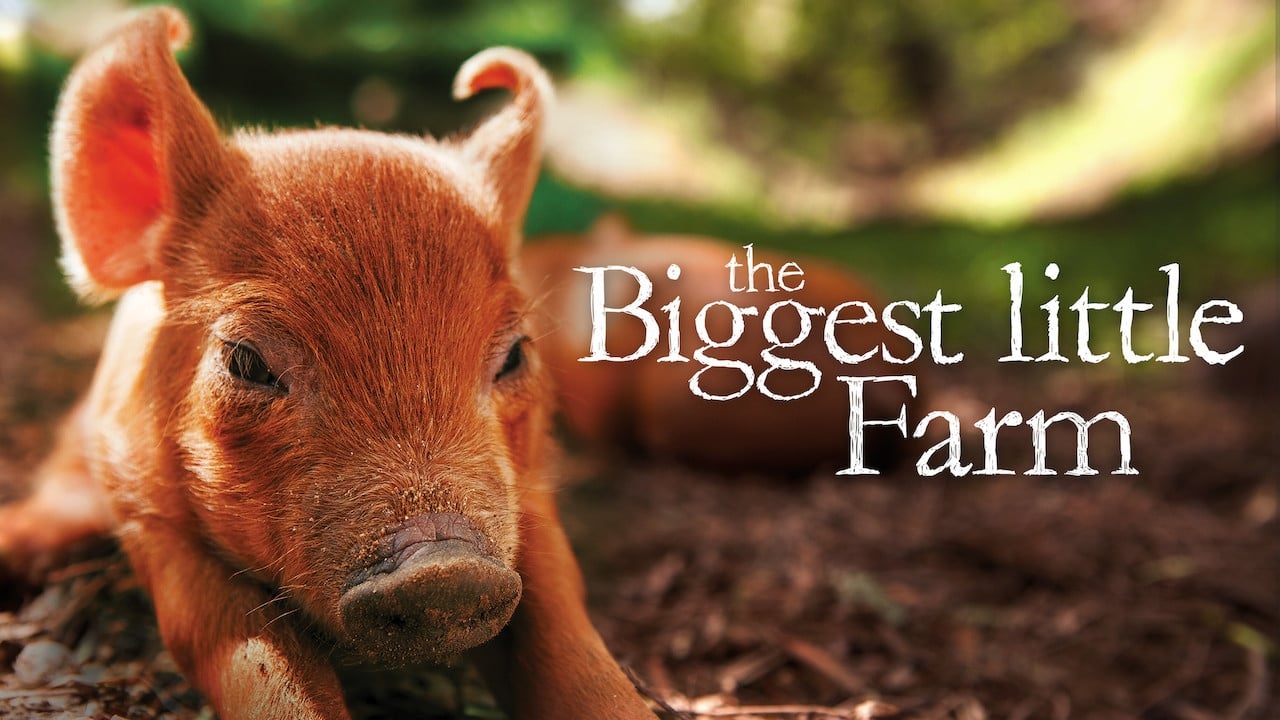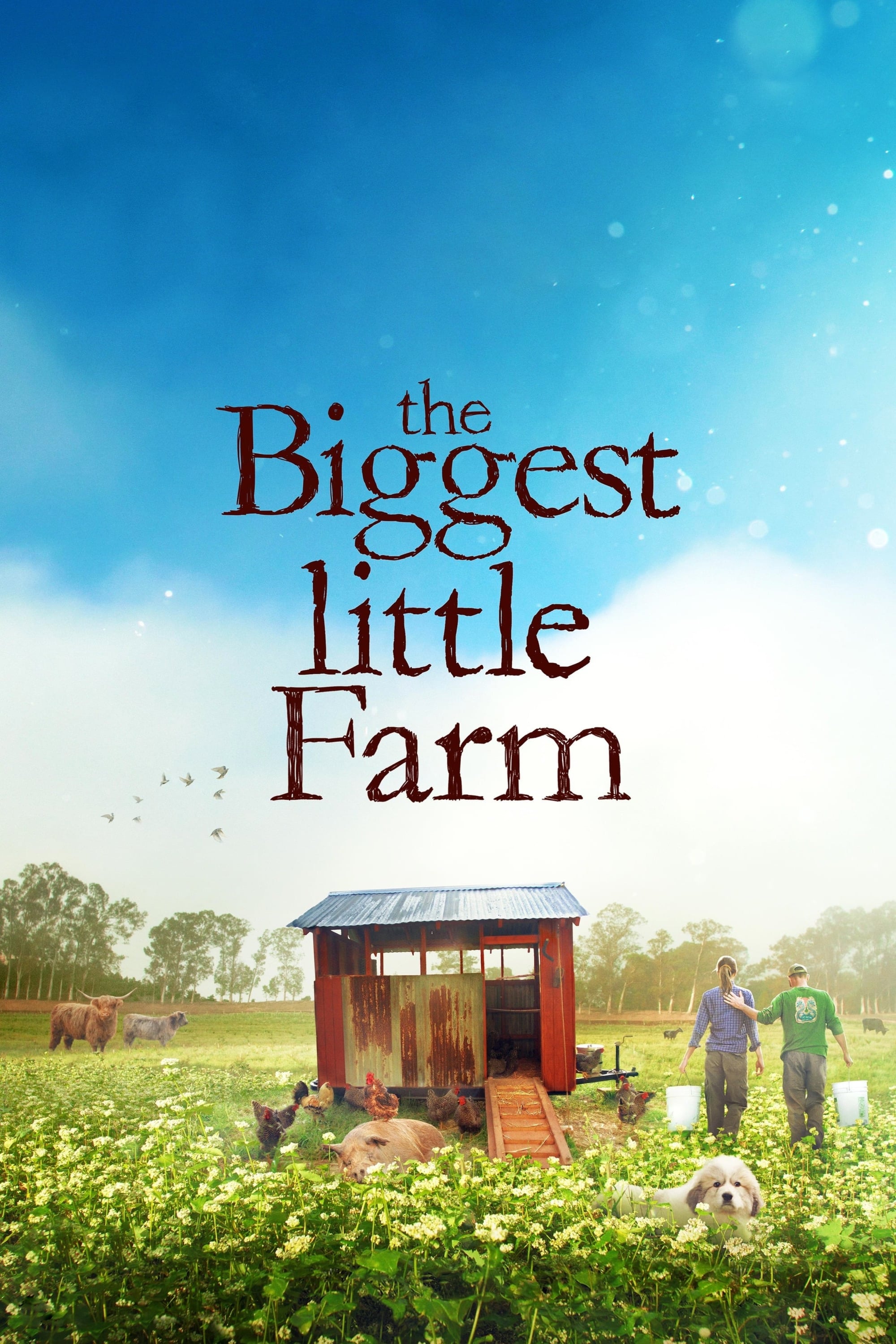

The Biggest Little Farm

The Biggest Little Farm

movie

PG, 2019

WISE
83%

WISE Score

91

Avg. Tomatometer

Stunning doc about building a biodiverse farm—equal parts inspiring, educational, and a gentle reality check about where food comes from.

IMDb8
RT Critics91%
MC73
Common Sense Media
Where to Watch
Loading streaming options...
Screenwise Verdict

This is the rare nature documentary that actually holds up for modern kids. The cinematography is stunning, the story is genuinely compelling (will they save the farm?!), and the educational value is off the charts.

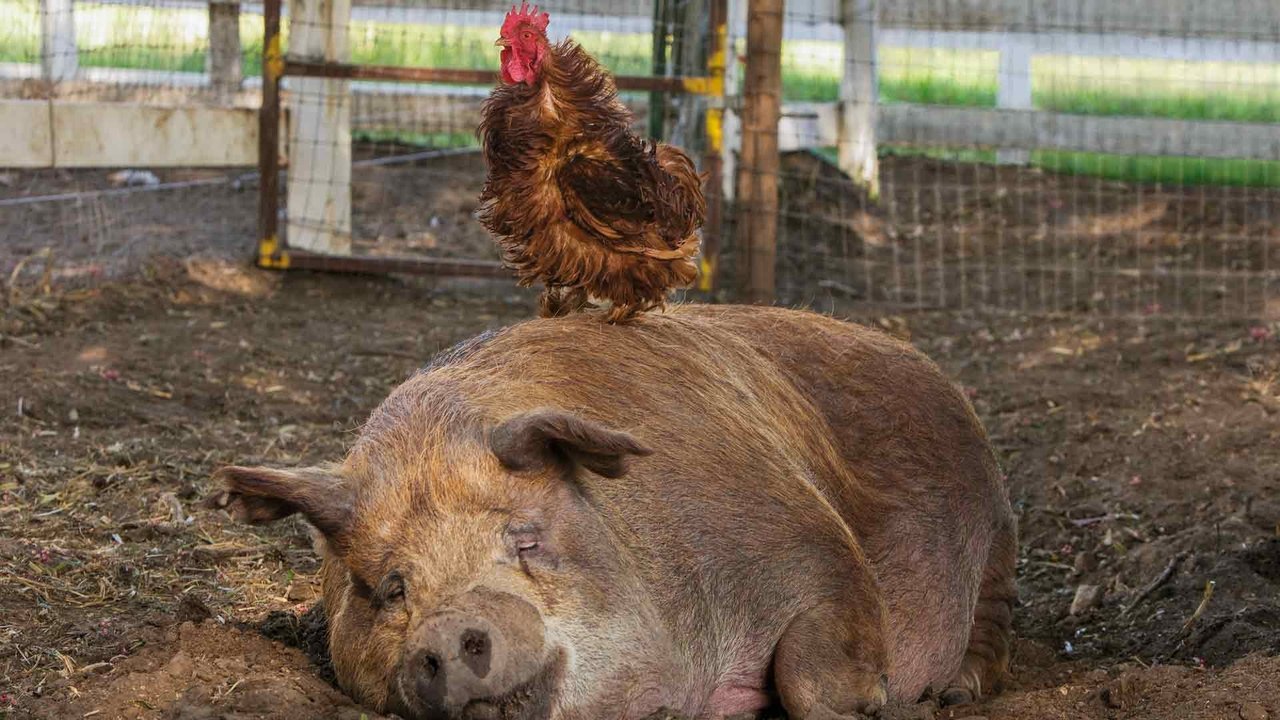
The animal death stuff is real but not traumatizing—it's presented as part of the natural cycle of farm life. A pig dies of old age, a coyote gets a chicken, there are stillborn lambs. It's handled with respect and honesty, not gratuitously. If your kid can handle The Lion King's circle of life, they can handle this.

What makes it special is how it teaches systems thinking without being boring. Kids see actual problem-solving in action: too many snails? Get ducks. Too many gophers? Attract owls. It's like watching a real-life strategy game unfold over years.

The 2019 release date helps—it feels current, not dated. And at 91% on Rotten Tomatoes, it's legitimately well-made, not just 'educational content.' This is one you can watch together and actually enjoy.
Age Fit

Best for ages 8-14. Younger kids might struggle with the documentary pacing and some of the sadder animal moments. Teens will still find it interesting if they care about food systems, environmentalism, or just beautifully-shot nature content.

WISE Breakdown
Wholesome
88

A documentary that chronicles a couple's journey to build a biodiverse farm with patience, cooperation, and respect for nature. Models perseverance through setbacks, gentle problem-solving, and harmony with the natural world. The tone is warm and optimistic without being preachy. Some natural farm realities (animal deaths, predation) are handled honestly but sensitively.

Imaginative
82

Showcases creative problem-solving in sustainable farming—turning problems into solutions through observation and experimentation. The biodiversity approach (using ducks for snails, owls for gophers) demonstrates systems thinking and invites curiosity about ecological relationships. Visually stunning cinematography captures the farm's transformation in ways that spark wonder about the natural world.

Safe
78

Common Sense Media rates it 8+, which aligns with the content. Some animals die on screen or are discussed dying (predation, old age, stillbirths)—this is handled matter-of-factly as part of farm life, not gratuitously, but younger or sensitive kids might find it sad. No violence, sex, or inappropriate content. The 'unsafe' elements are just the honest realities of nature and farming.

Enriching
90

Exceptionally educational about ecosystems, biodiversity, sustainable agriculture, and systems thinking. Kids learn about food production, animal behavior, problem-solving, and environmental stewardship. The 91% RT critic score and 95% audience score reflect its ability to be both entertaining and meaningful. Builds empathy for animals and understanding of where food comes from. Genuinely inspiring without being didactic.

Parent Info

Why It Might Be Great

  • Teaches systems thinking and ecological problem-solving in action—kids see how farmers use nature's own solutions (ducks eat snails, owls hunt gophers)
  • Gorgeous cinematography makes it genuinely watchable for modern audiences; this isn't your grandpa's farming documentary
  • Honest about both the magic and the mess of farming—animals are born, animals die, and it's all presented as part of the natural cycle
  • Builds real understanding of where food comes from and why biodiversity matters, without being preachy or boring
  • High ratings across the board (91% critics, 95% audience) suggest it works for both kids and adults

What to Watch For

  • Several animals die on screen or are discussed dying—it's handled sensitively as part of farm life, but sensitive kids might need prep or comfort
  • Some moments of animal predation (coyotes hunting chickens, etc.) shown as natural behavior, not graphic but real
  • The pacing is documentary-style, so younger kids with short attention spans might drift—best for ages 8+ who can handle a slower narrative

Conversation Starters

  • "What was the coolest way they solved a problem on the farm? Like how the ducks ate the snails?"
  • "How do you think the farmers felt when animals died? Was it different when it was from old age versus predators?"
  • "Would you want to live on a farm like this? What would be the best part? The hardest part?"
  • "Why do you think having lots of different animals and plants helped the farm work better?"
  • "What's one thing you learned about where our food comes from that surprised you?"
Stills
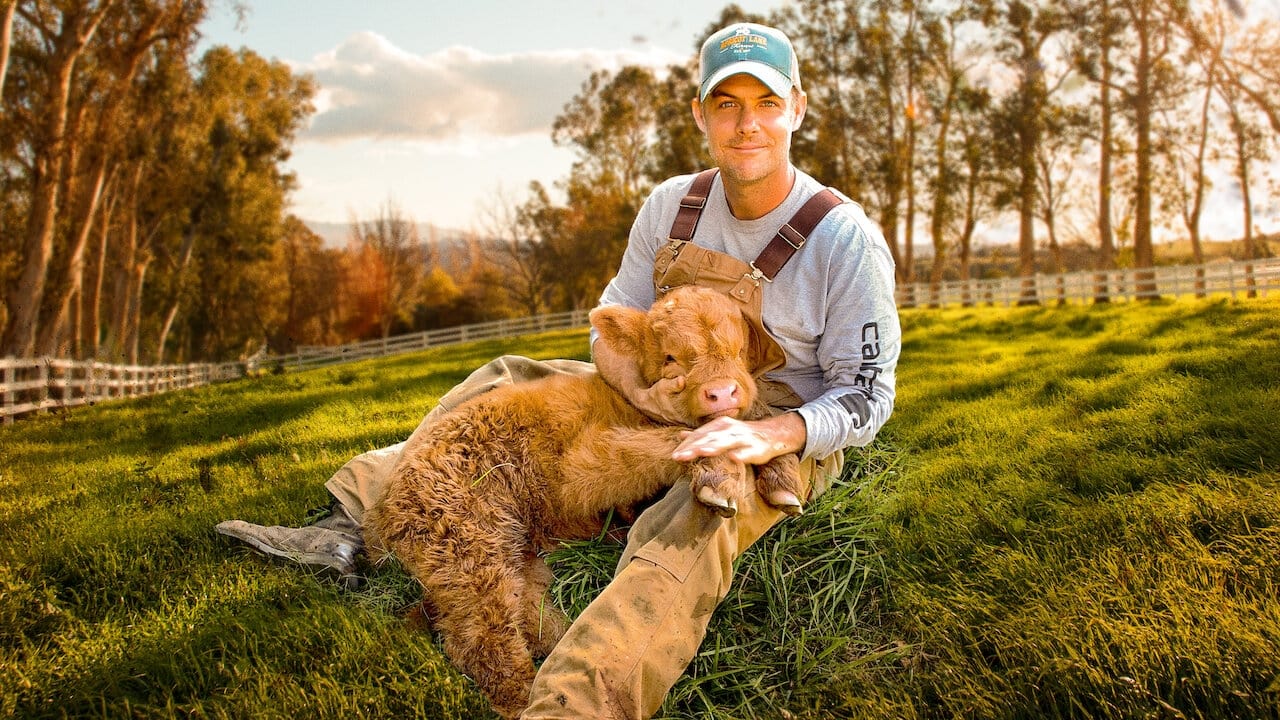
The Biggest Little Farm — still 1
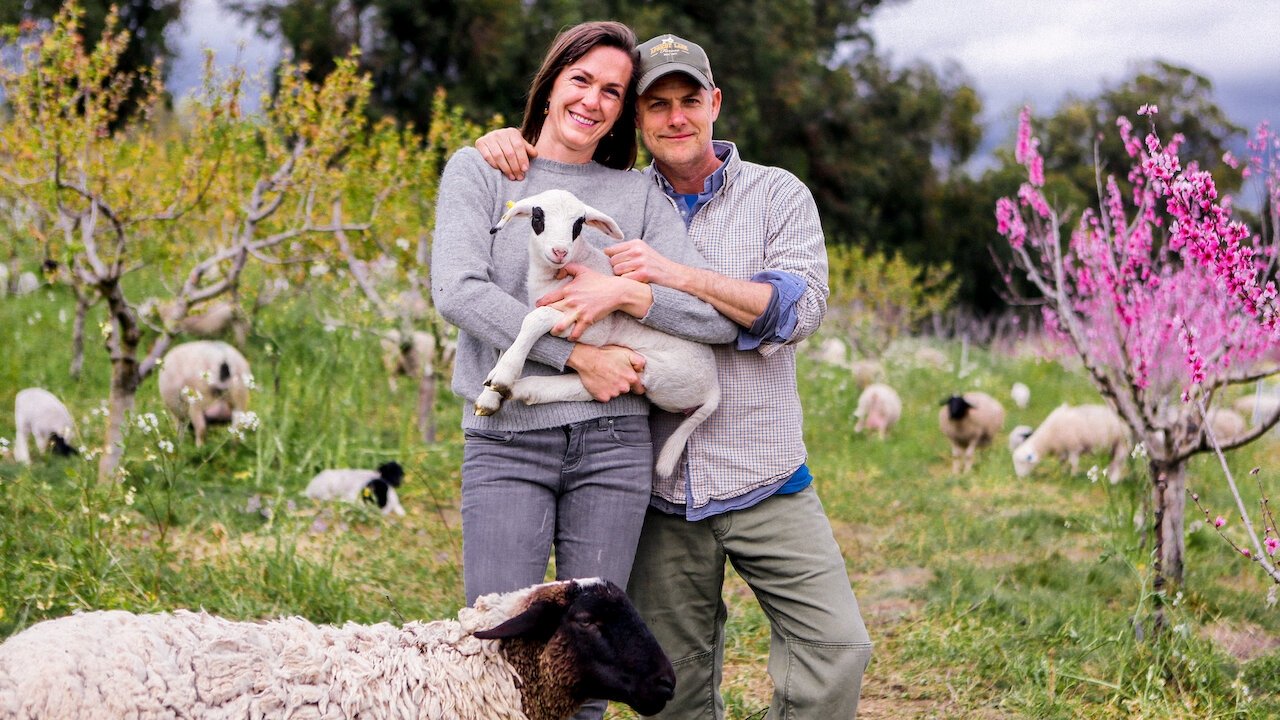
The Biggest Little Farm — still 2
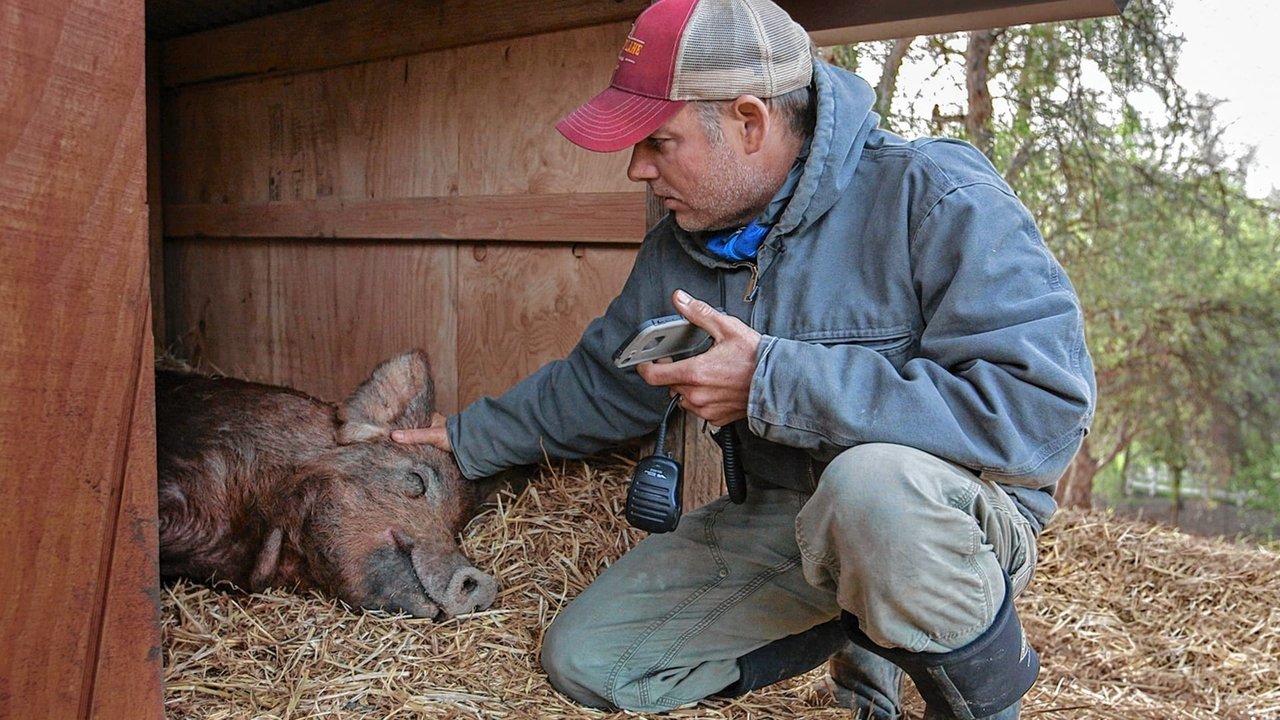
The Biggest Little Farm — still 3
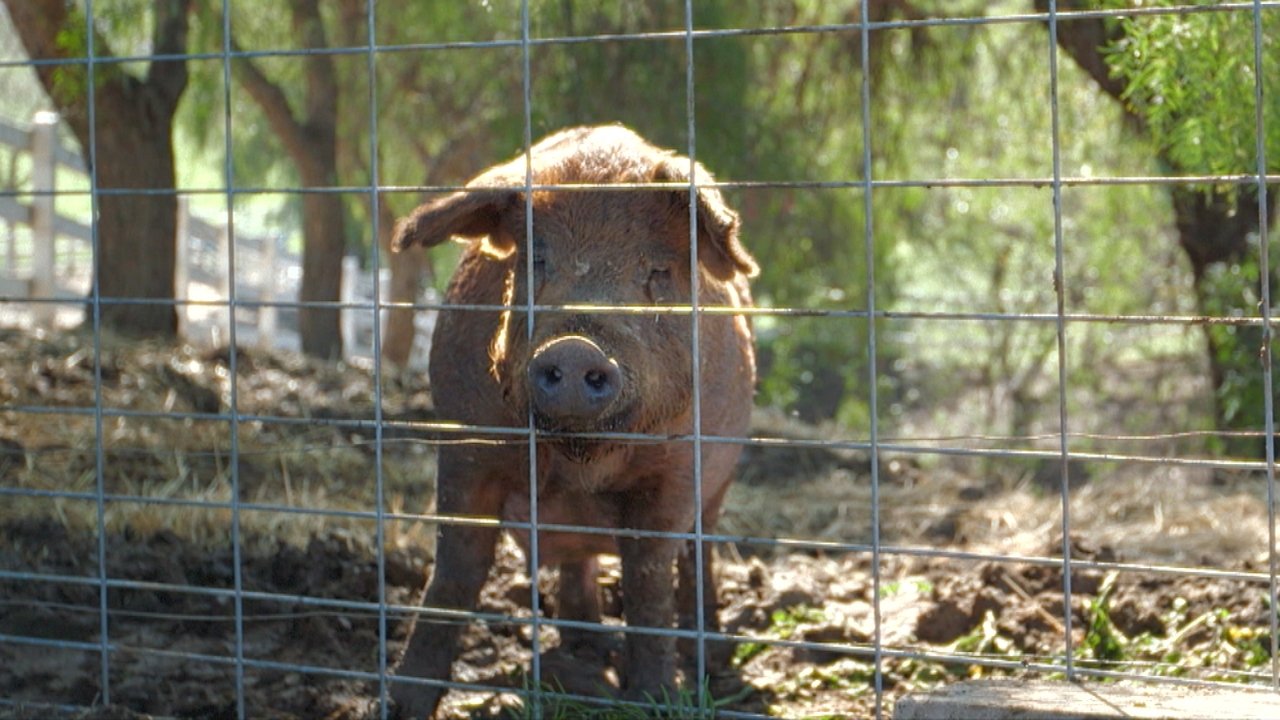
The Biggest Little Farm — still 4
The Biggest Little Farm — still 5
The Biggest Little Farm — still 6
The Biggest Little Farm — still 7
The Biggest Little Farm — still 8

Ask Anything

Get a personalized guide on any topic