The Gold Standard of Co-Viewing
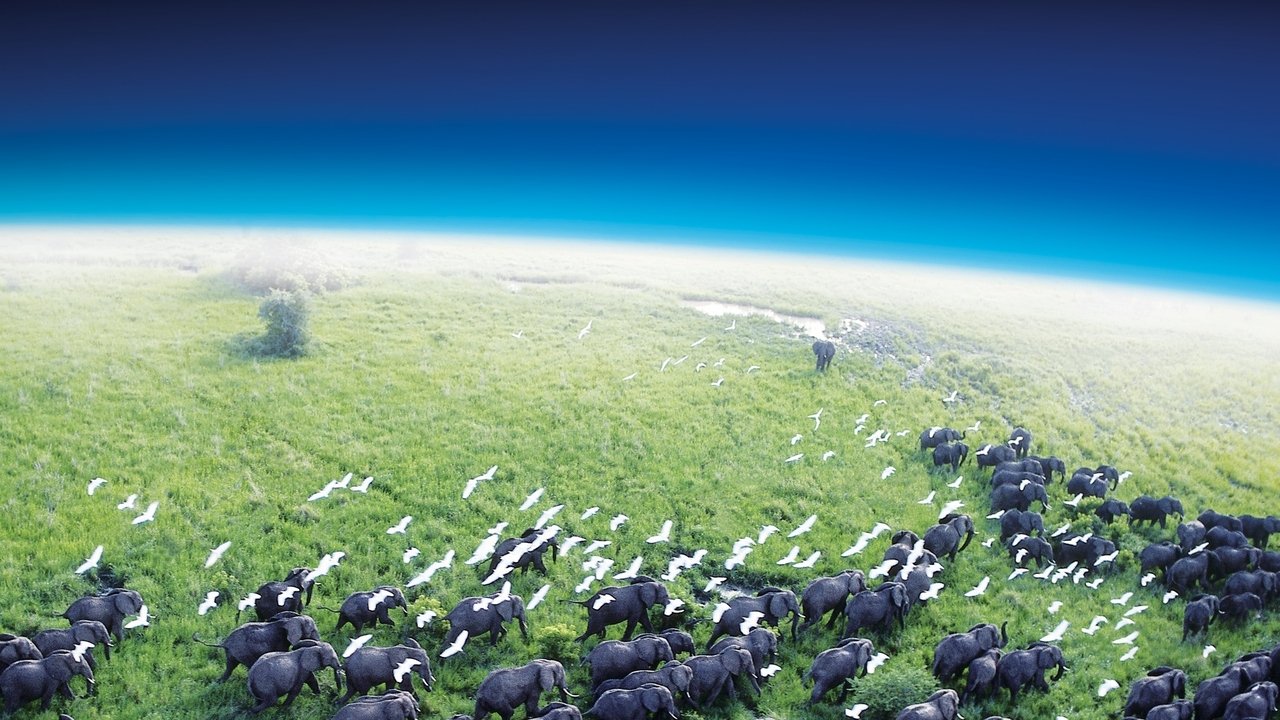
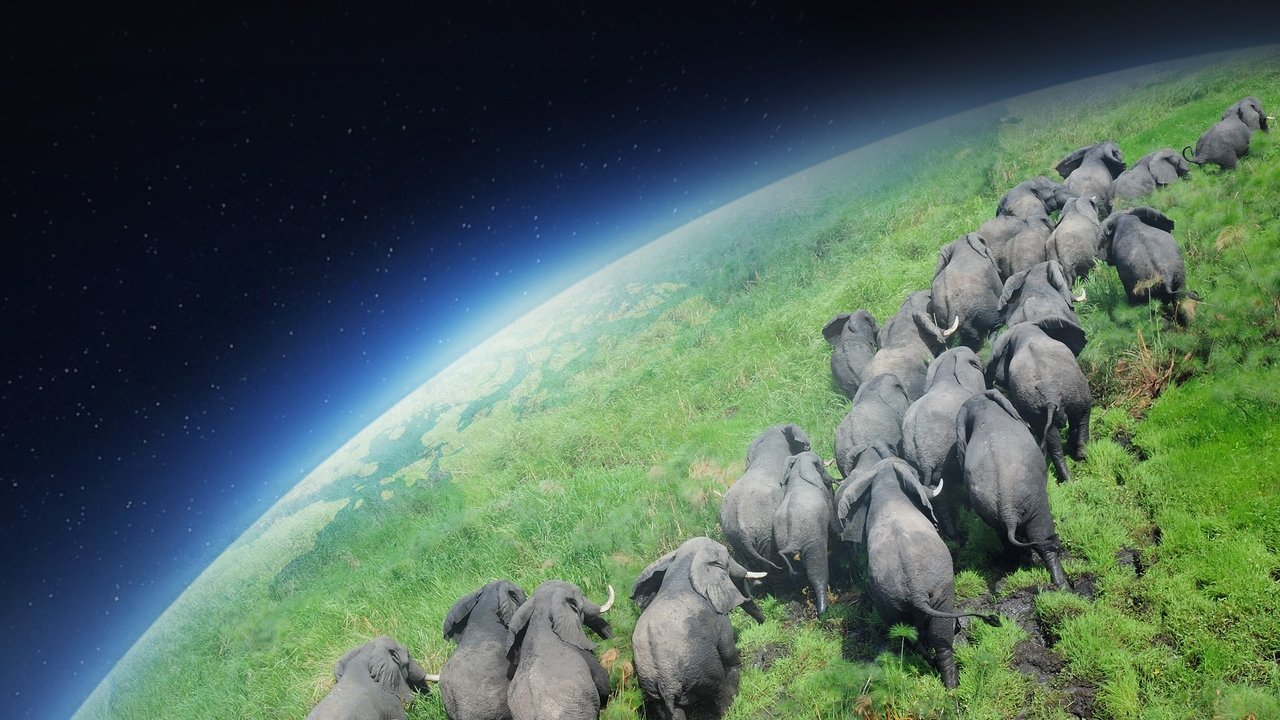
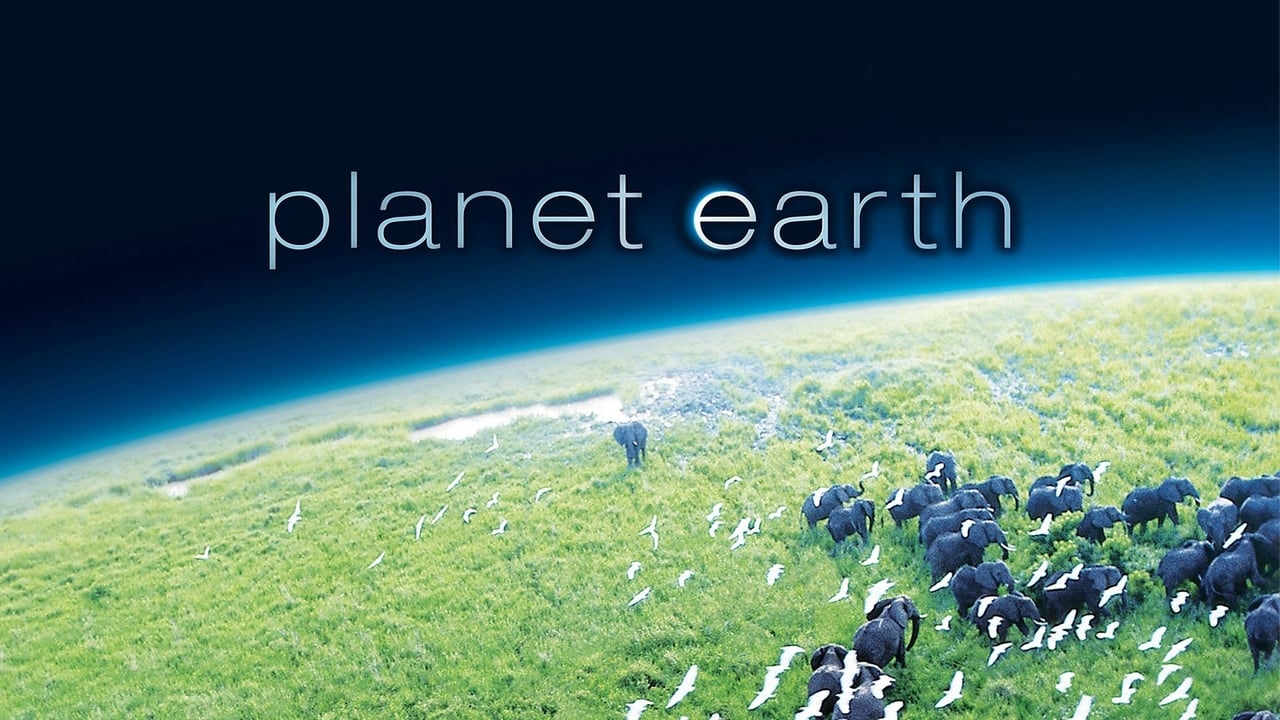
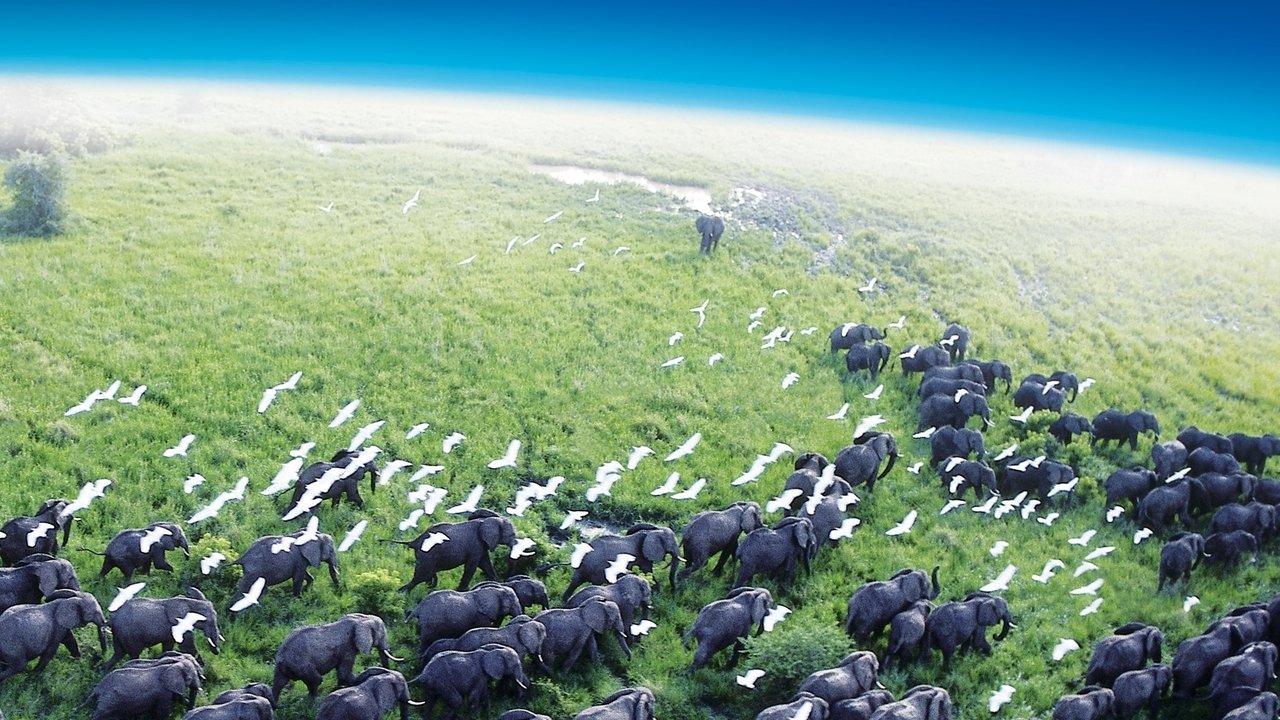
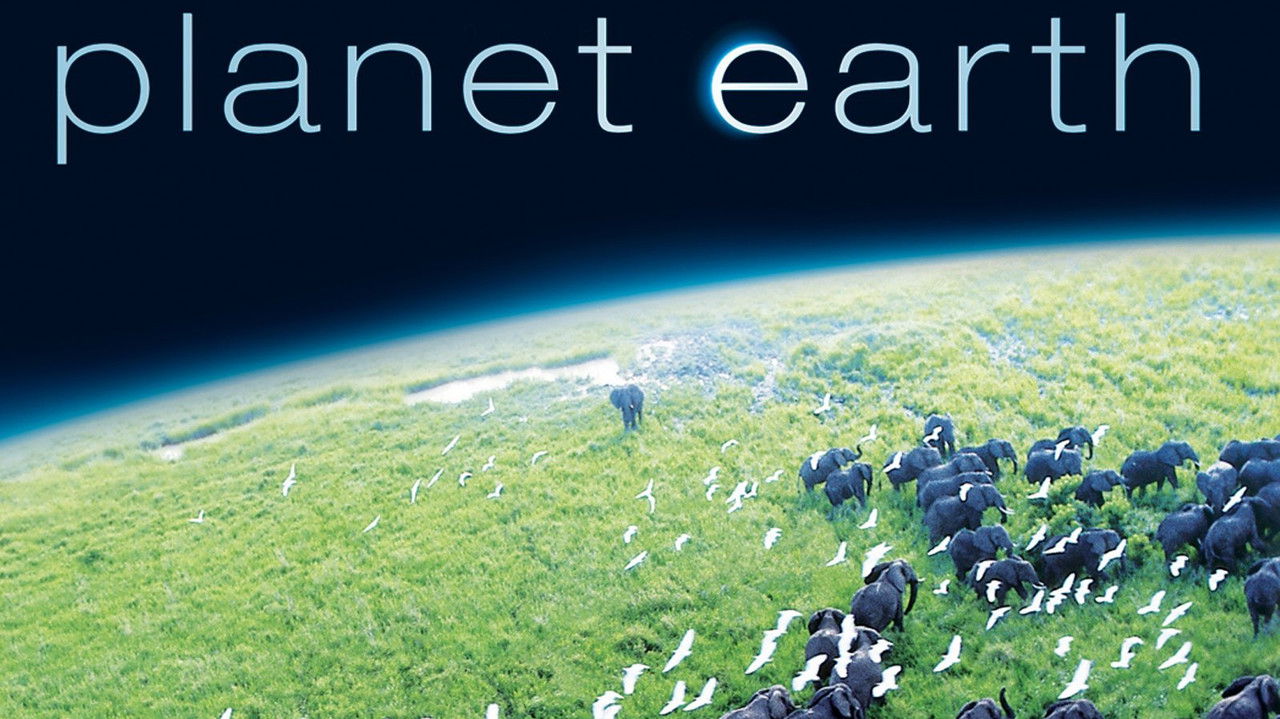
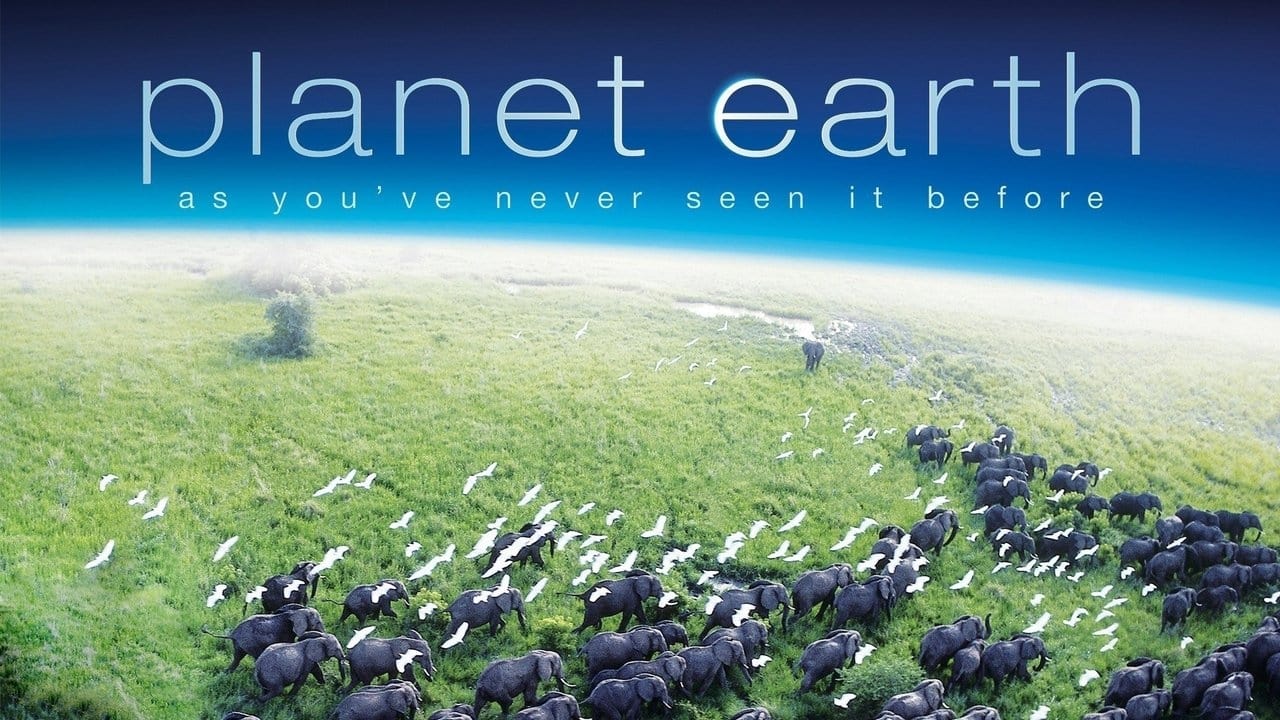
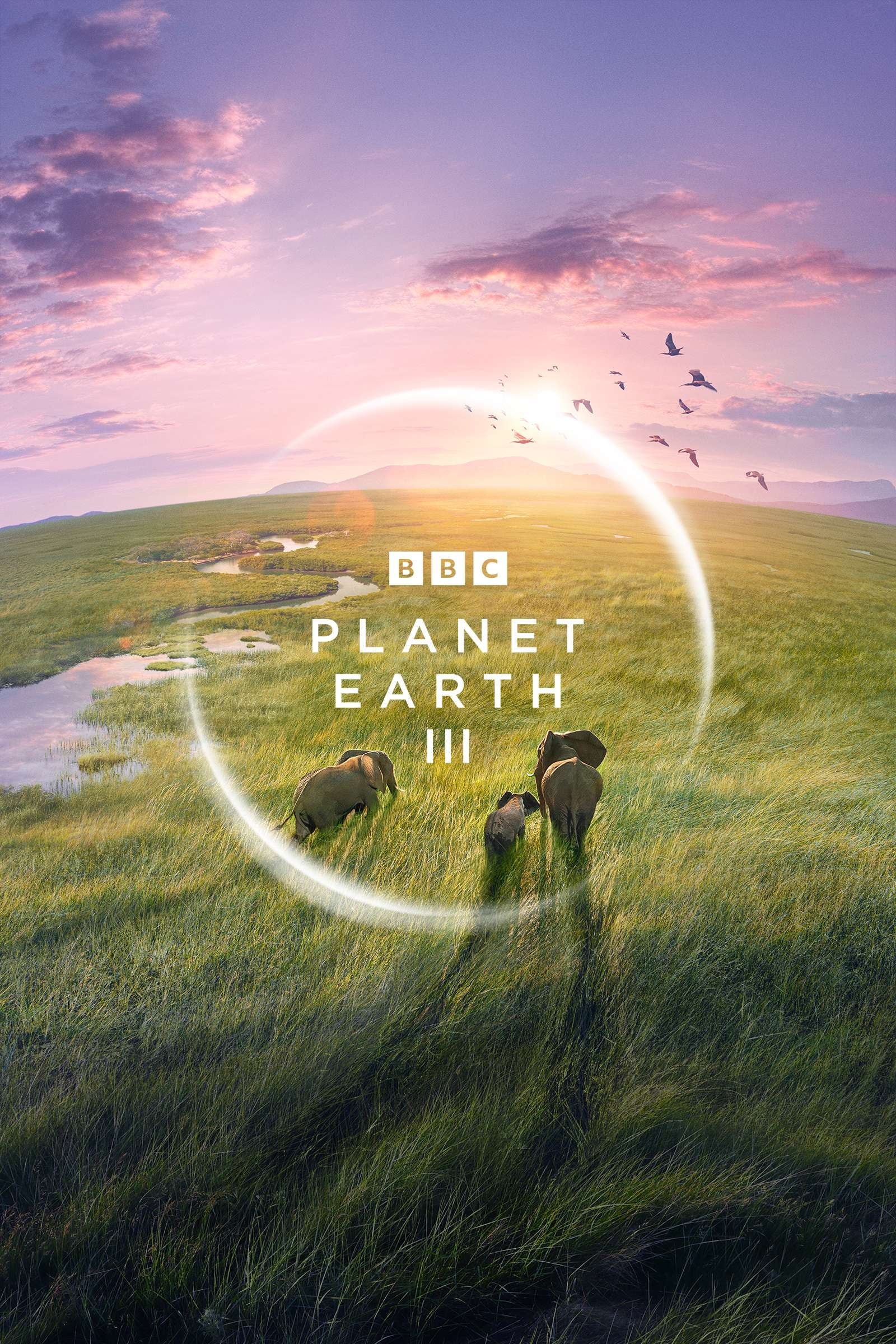
When BBC released Planet Earth in 2006, it redefined natural history television. Over four years in production across dozens of countries, the crew deployed pioneering high-definition cameras, gyrostabilized aerial rigs, and deep-submersible optics to capture behaviors scientists had only read about.
Twenty years later, it hasn't aged a bit. While the sequels (Planet Earth II and III) added 4K HDR wizardry and intimate close-up drone footage, the 2006 original still possesses a sweeping, cinematic grandeur that modern nature shows rarely match.
Handling the Food Chain
The central tension for parents with younger viewers is the reality of predation. Nature documentaries walk a tightrope: lean too far into Disney-style sanitization and you lie about ecosystems; lean too far into sensationalism and you turn wildlife into a horror movie.
Planet Earth hits the sweet spot. It doesn't linger on gore, but it does not cut away before the impact. When the great white shark breaches the surface off South Africa in slow motion, it catches the seal. If you have an especially tender child who melts down when the prey loses, sit with them during episodes like "Plains" and "Pole to Pole" and talk through why the predator's cubs need dinner too.
How to Watch It Well
Don't binge it like a Netflix sitcom. Treat each habitat episode—"Caves," "Fresh Water," "Deserts," "Deep Ocean"—as its own standalone field trip. Let your kid pick the biome based on what they're curious about at school, turn down the living room lights, and give it the volume it deserves.