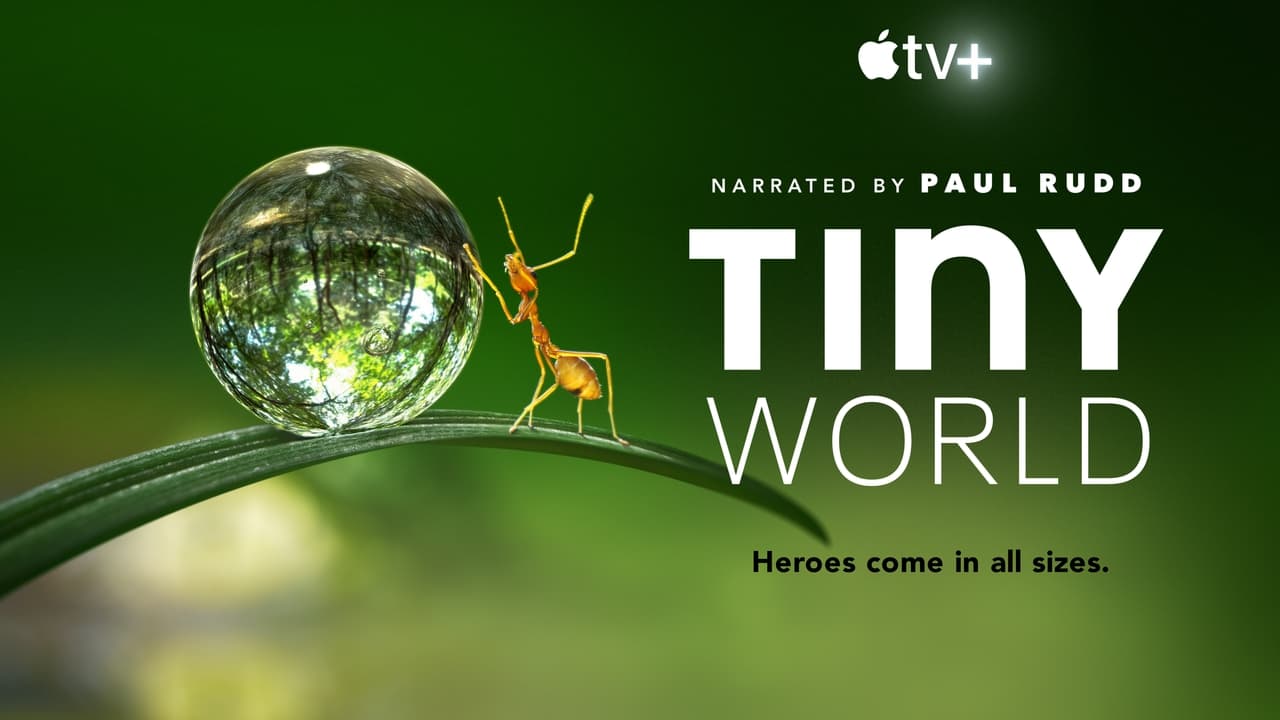
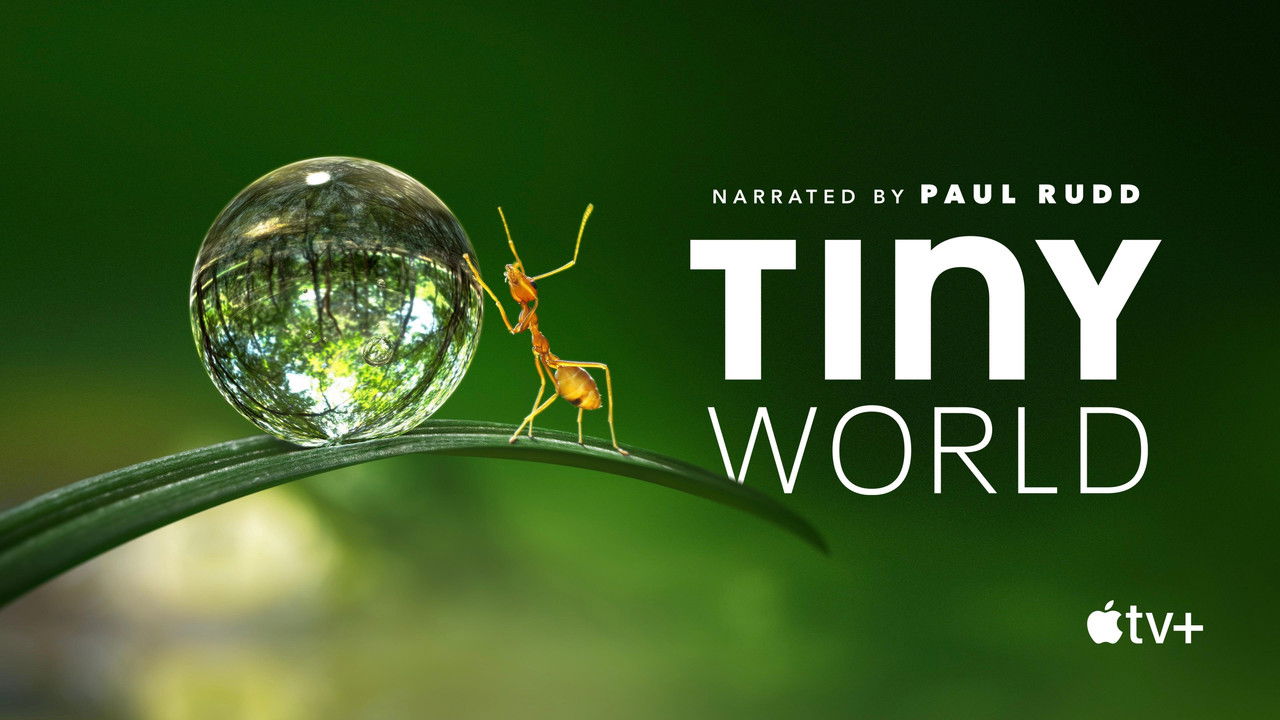
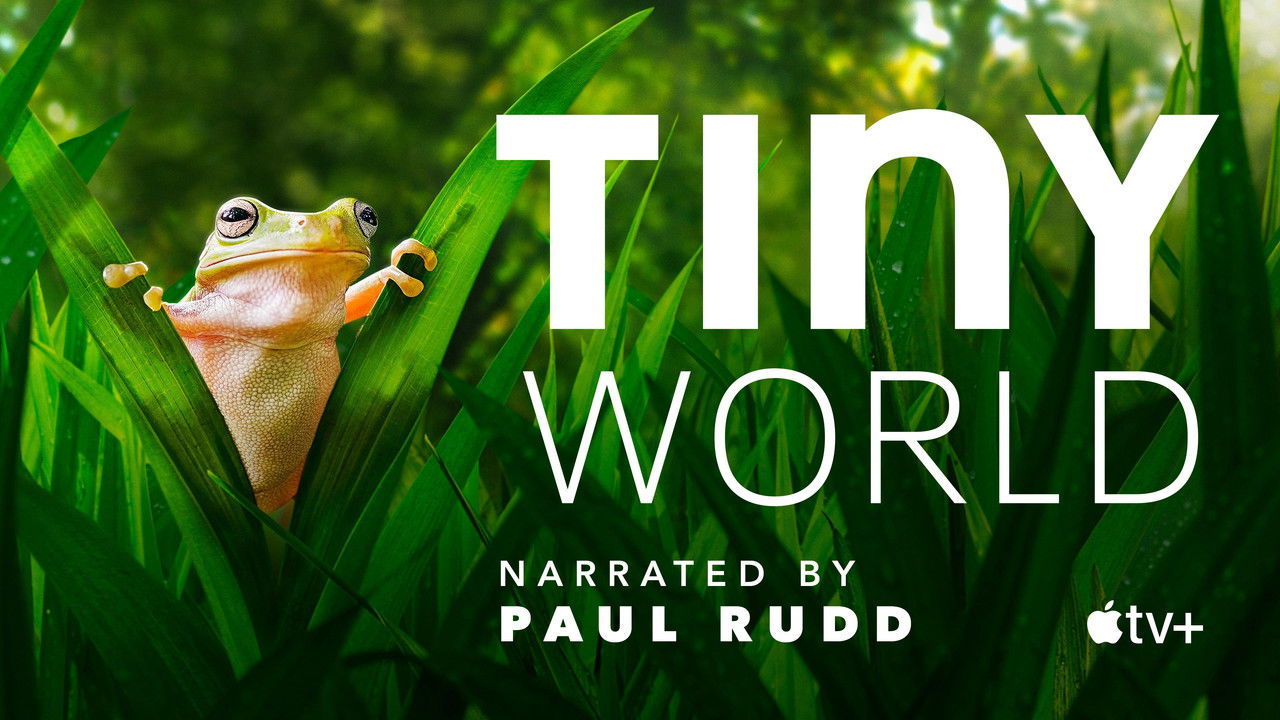
Tiny World

Tiny World

show

TV-G, 2020, Documentary

WISE
88%

WISE Score

8.8

IMDb

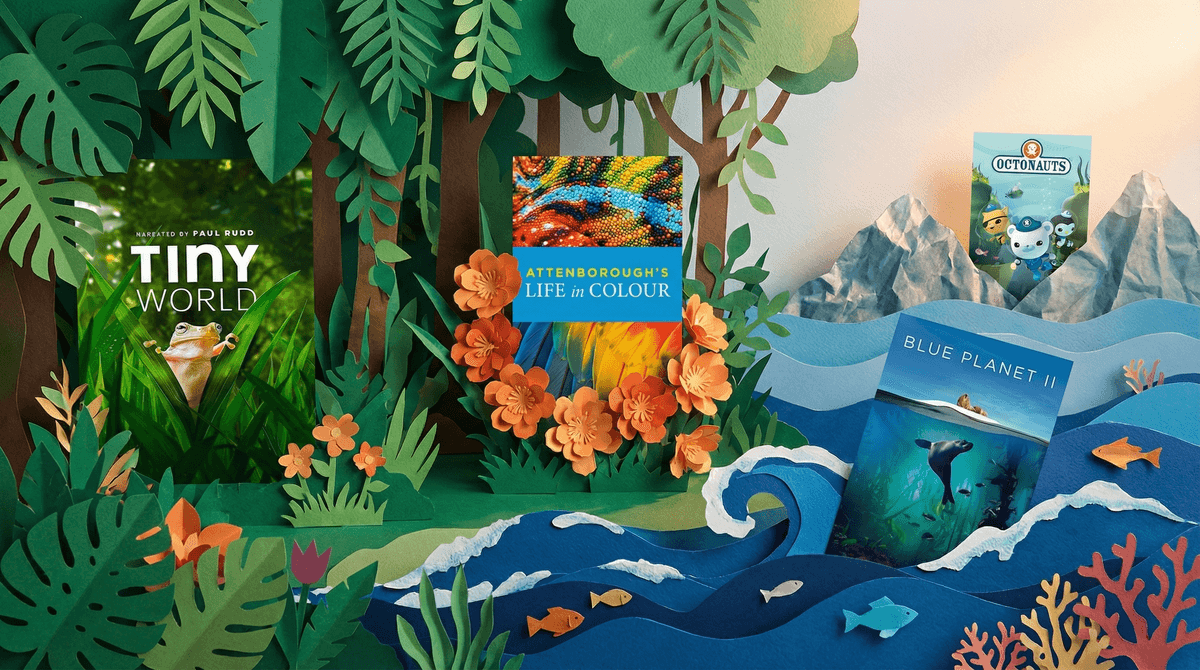
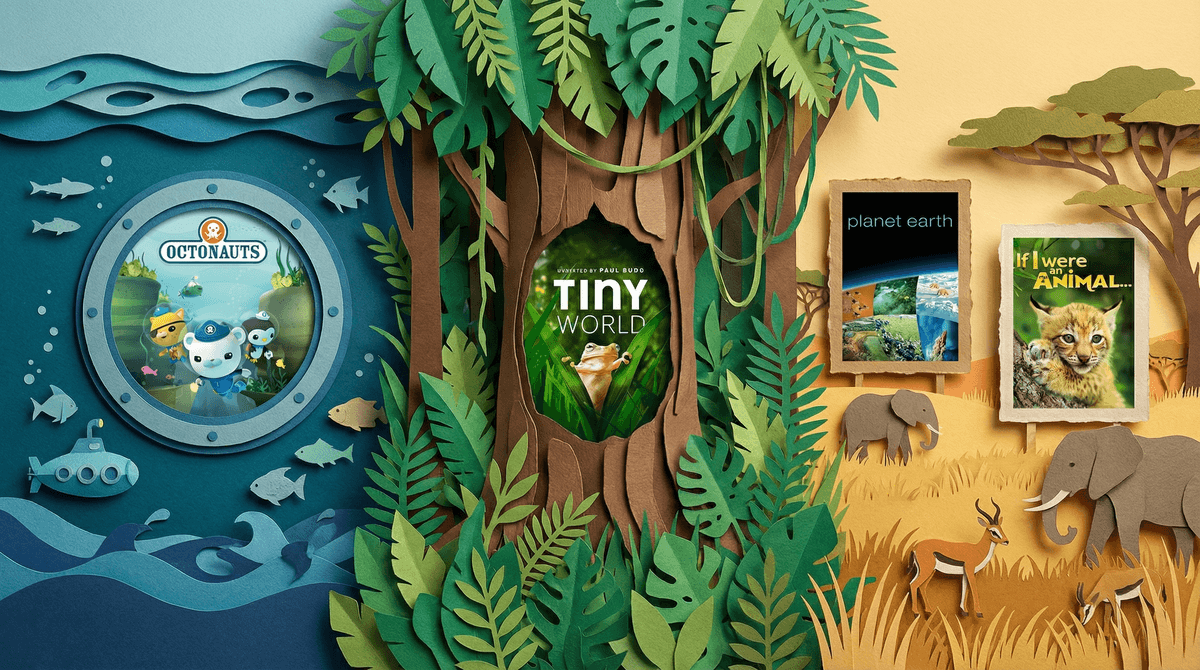
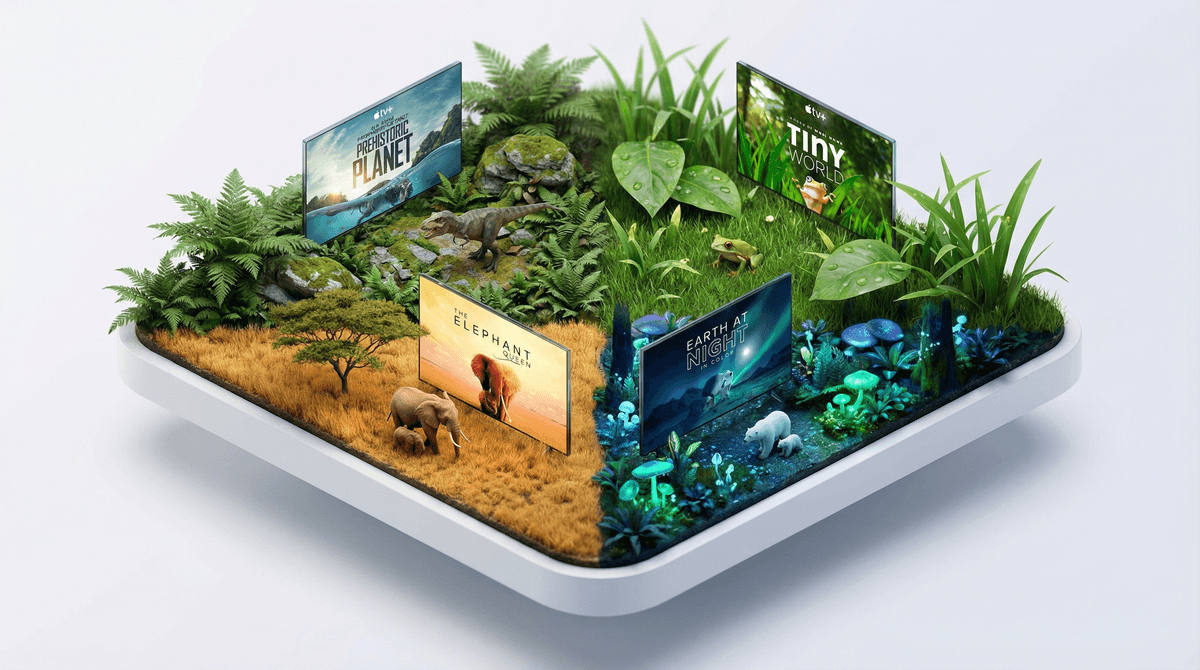
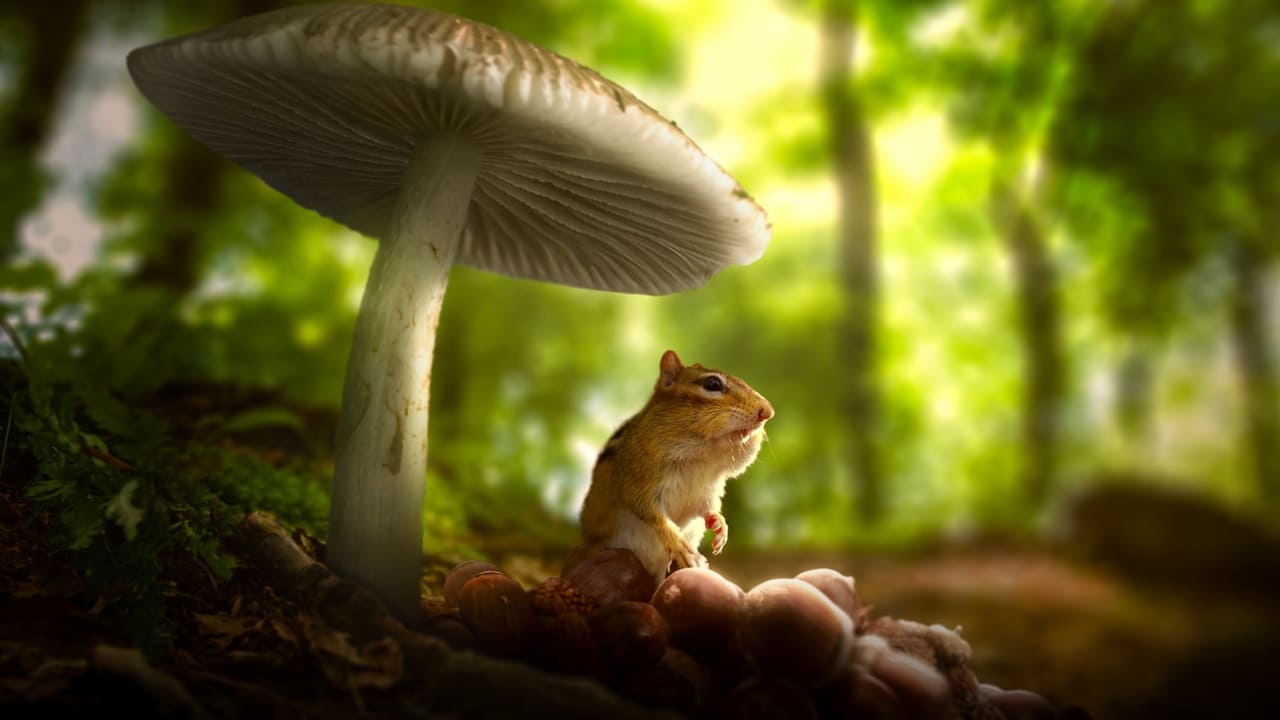
Jaw-dropping macro cinematography turns your backyard into an epic adventure—narrated by Paul Rudd, because why not.

IMDb8.8
Common Sense Media
Where to Watch
Loading streaming options...
Screenwise Verdict

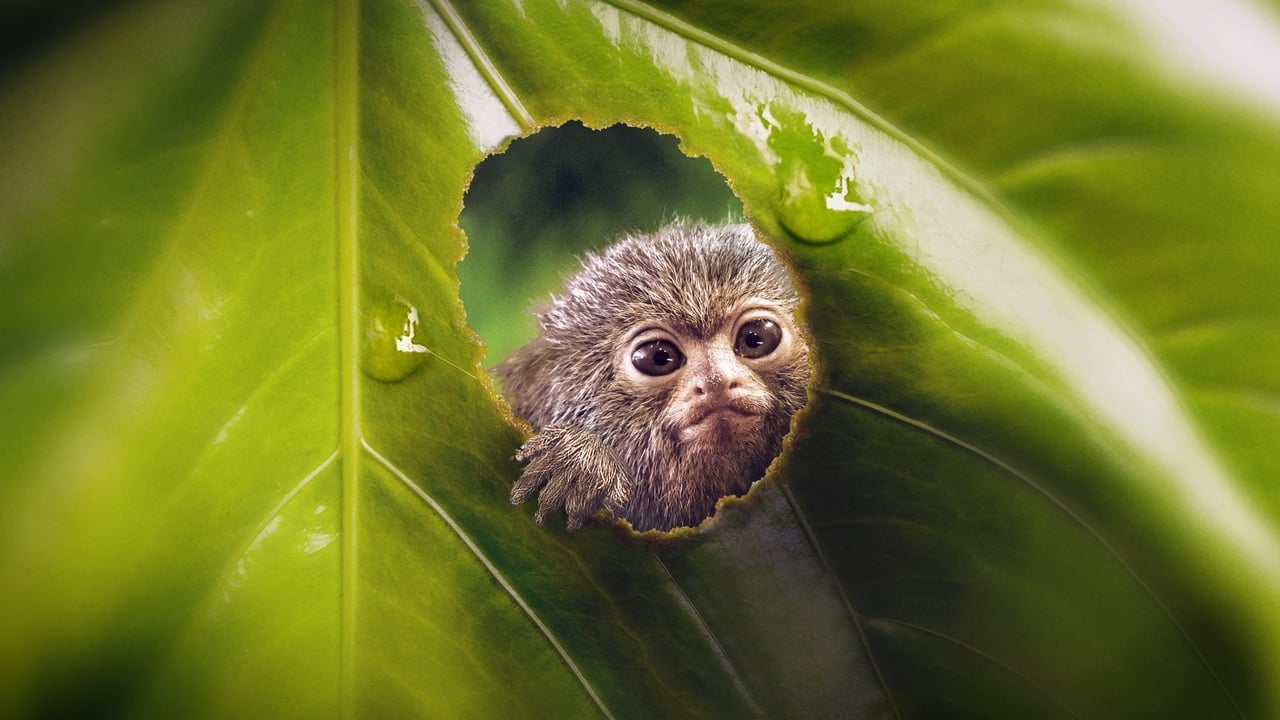
This is what nature documentaries should be—gorgeous, educational, and genuinely captivating. The macro cinematography is so good it makes you see the world differently, and that's worth a lot.

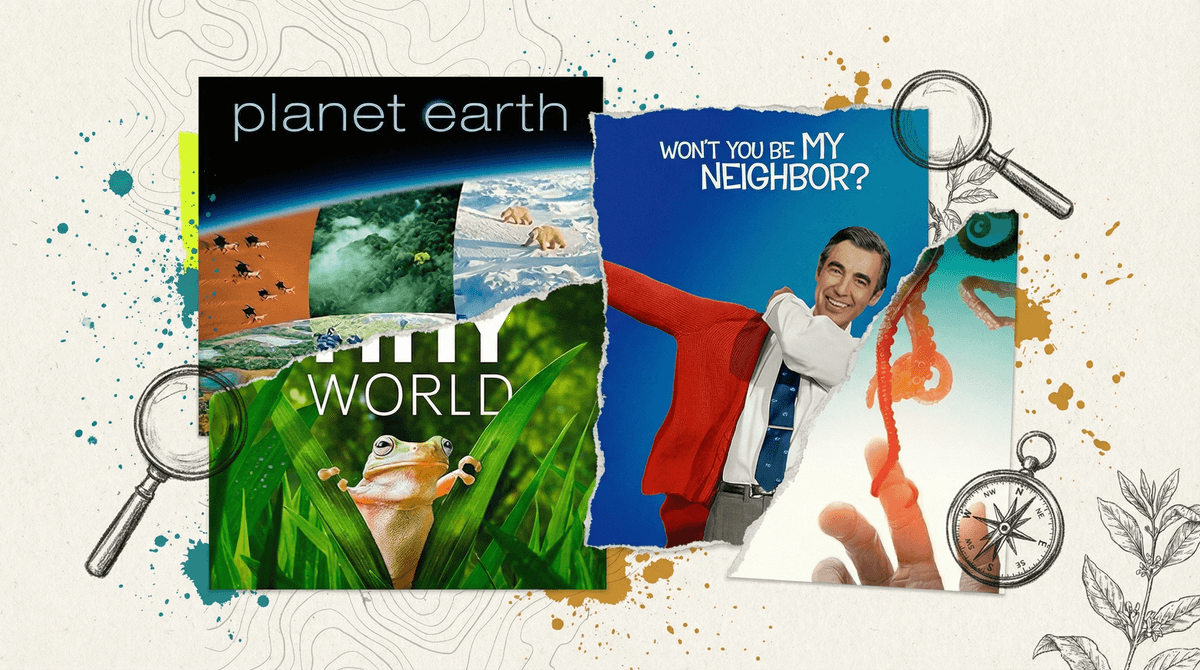
The 'watch for' is really just the reality of nature: things eat other things. It's not gratuitous, but it's there, presented as fact rather than drama. If your kid cries when the gazelle gets caught on Planet Earth, prep them a bit.

The real win here is that it's modern enough to hold kids' attention (2020 production values are no joke) while being substantive enough to actually teach them something. It's not brain rot, it's not boring, and it might actually get them excited about the natural world. That's a rare trifecta.
Age Fit

Perfect for ages 5-12, though younger kids might need a heads-up about predator scenes. Teens might still enjoy it if they're into nature or photography, but it skews younger in tone.

WISE Breakdown
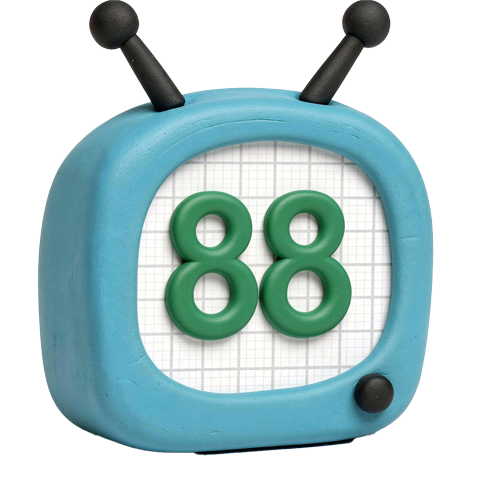
Wholesome
92

Nature documentary with Paul Rudd narration presents the natural world through a gentle, wonder-filled lens. Shows predator-prey relationships but frames them as survival rather than violence. Emotionally healthy tone that emphasizes cooperation in nature and the remarkable adaptations of small creatures. Pacing is calm and deliberate, perfect for focused viewing.

Imaginative
88

Groundbreaking cinematography reveals a hidden world most people never see—macro photography makes backyards look like alien planets. Invites curiosity about the natural world and encourages kids to look closer at their own environment. The perspective shift alone (seeing the world from a beetle's viewpoint) is genuinely mind-expanding and original in execution.

Safe
85

Nature documentaries always include some predation—spiders catching insects, birds hunting—but it's presented matter-of-factly without gore or dramatized violence. Kids mode available suggests platform consideration for younger viewers. No inappropriate content, though sensitive kids might find some 'circle of life' moments intense. The 8.8 IMDb rating suggests broad family appeal without major concerns.

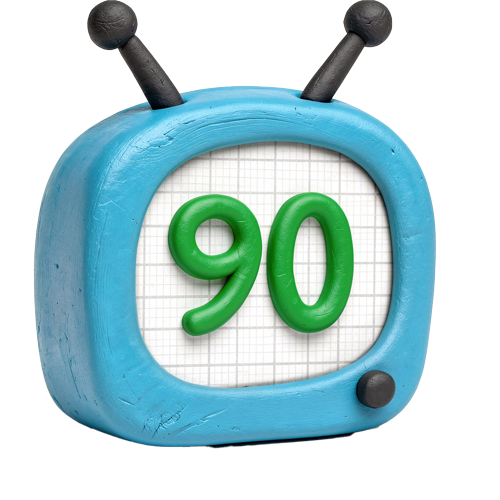
Enriching
90

Exceptional educational value—teaches biology, ecology, adaptation, and survival strategies in an engaging way. Builds genuine appreciation for biodiversity and the complexity of ecosystems. The cinematography itself teaches observation skills and attention to detail. Meaningful takeaways about interconnectedness in nature, plus it's genuinely entertaining with high production values.

Parent Info

Why It Might Be Great

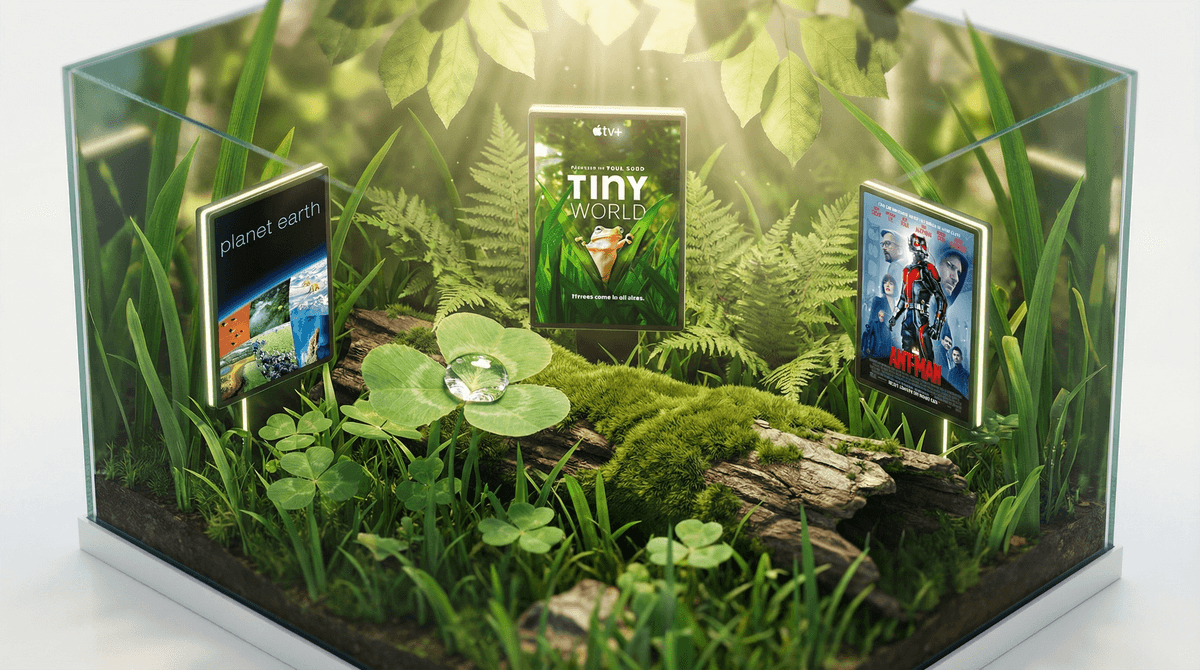
  • Genuinely stunning visuals that make insects and small creatures look like movie stars—this is Planet Earth-level production quality
  • Sparks curiosity about the natural world in your own neighborhood; kids will want to grab magnifying glasses immediately
  • Educational without being preachy—you're learning about ecosystems, adaptation, and survival while being thoroughly entertained
  • Paul Rudd's narration hits the sweet spot of informative and warm without being condescending
  • Perfect length episodes for attention spans, and modern enough (2020) that it doesn't feel dated

What to Watch For

  • Nature is nature—there are spiders catching prey, birds eating insects, and the occasional 'oh no, the caterpillar didn't make it' moment (nothing graphic, but circle-of-life stuff)
  • Sensitive kids who get attached to every bug might find some scenes emotional, though it's all presented as natural survival
  • Might inspire a sudden interest in keeping pet insects or bringing every bug inside to 'save' it

Conversation Starters

  • "What tiny creature would you want to be for a day? What would be the hardest part?"
  • "We saw how that spider builds its web—want to look for spiderwebs in our yard tomorrow?"
  • "Why do you think being small might actually be an advantage for some animals?"
  • "That hummingbird has to eat constantly to survive—what would it be like if we had to eat that much?"
Stills
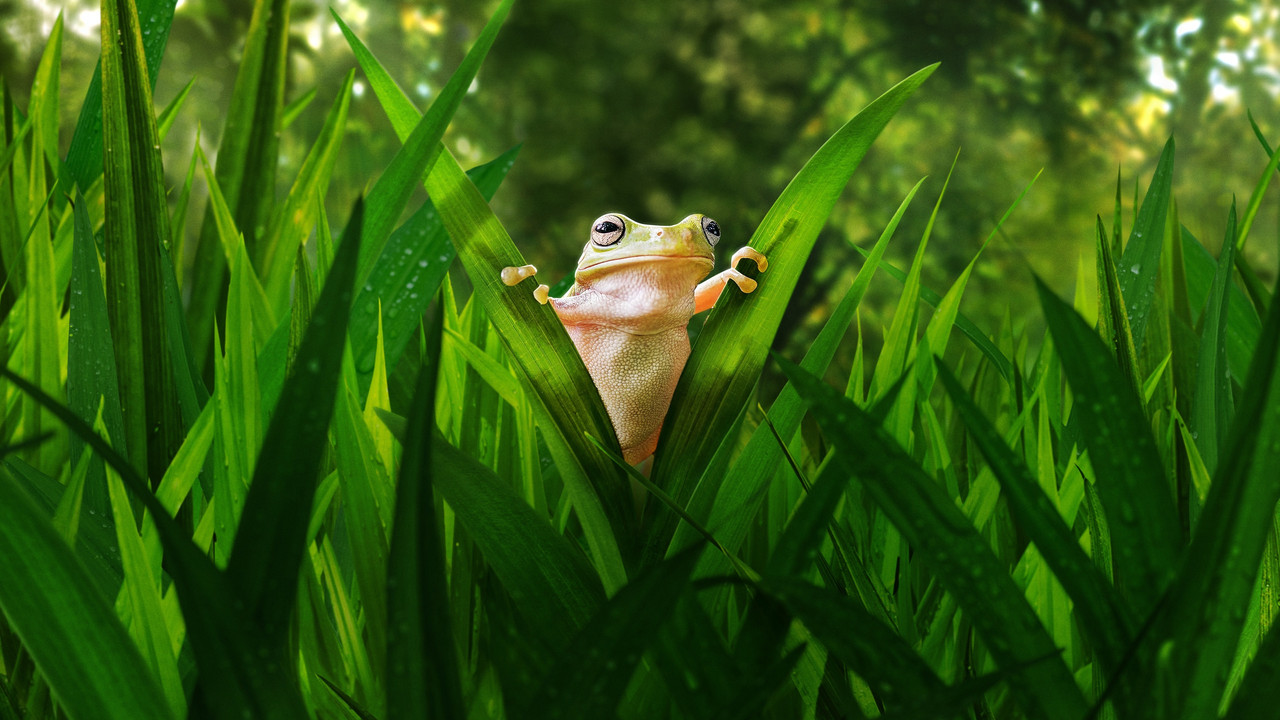
Tiny World — still 1
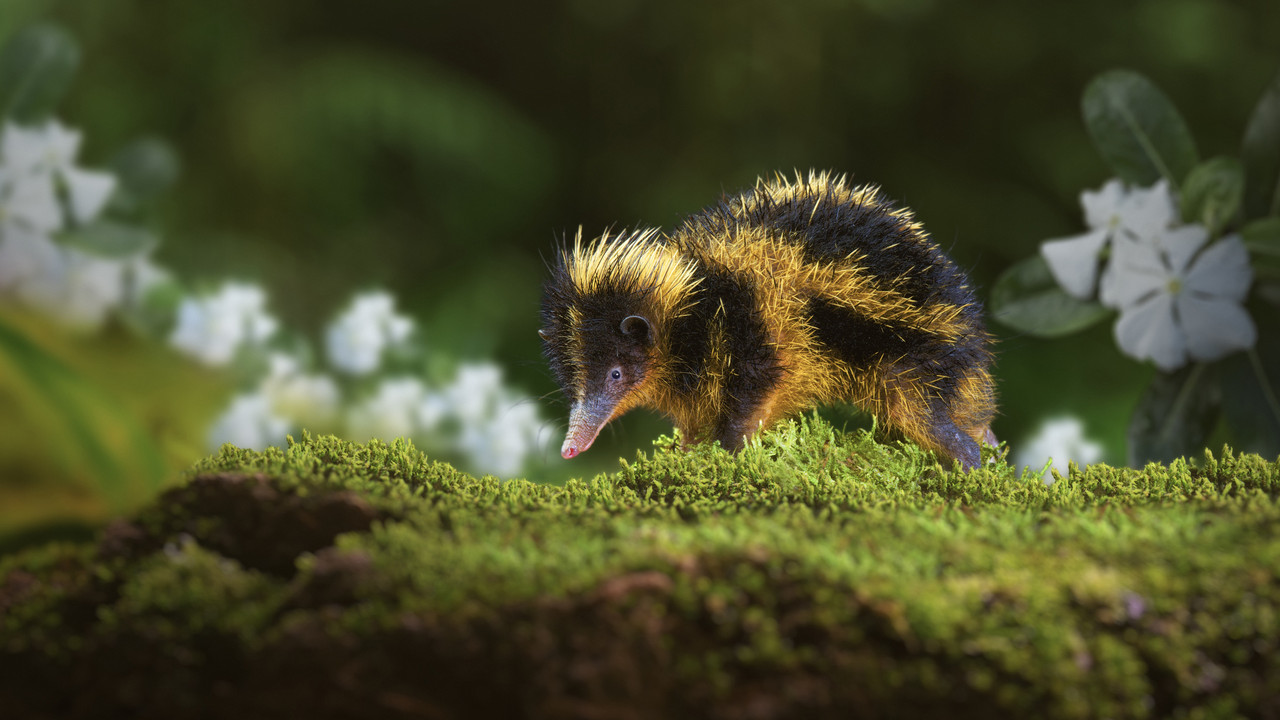
Tiny World — still 2
Tiny World — still 3
Tiny World — still 4
Tiny World — still 5
Tiny World — still 6
Tiny World — still 7
Tiny World — still 8

Ask Anything

Get a personalized guide on any topic