

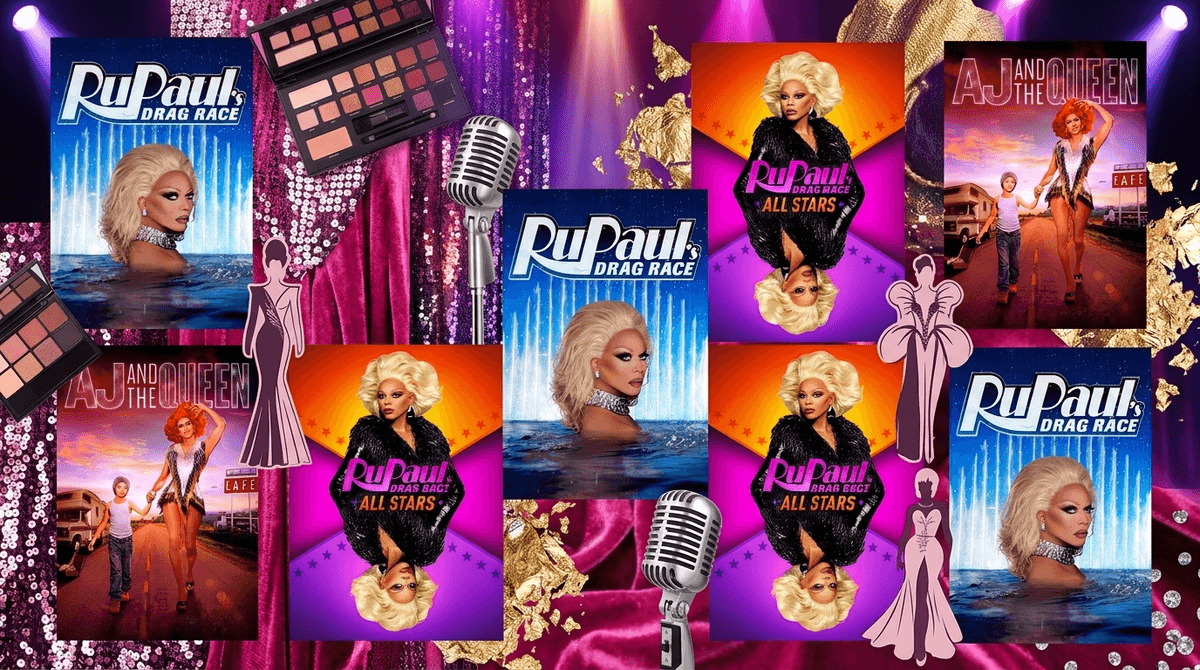
Which RuPaul's Drag Race Episodes Are Actually OK for Teens?
RuPaul's Drag Race isn't a kids' show, but it's also not quite what some parents fear. If you've got a teen (14+) interested in drag culture, fashion, or performance art, there ARE ways to engage with this show thoughtfully. The main challenges: frequent strong language (bleeped but obvious), sexual innuendo, some mature themes, and occasional body-focused critiques. The positives: genuine celebration of artistry, self-expression, found family, and resilience in the face of discrimination.
Best starting points for teens 14+:
- Season 6, Episode 1 (RuPaul's Big Opening) - strong opener built on a design challenge
- Season 8, Episode 1 (Keeping It 100!) - queens remake design challenges from past seasons
- Season 12, Episode 4 (The Ball Ball) - pure design challenge, minimal mature content
- All Stars 2, Episode 1 - showcases talent, less shock value
Skip entirely for teens:
- Snatch Game episodes (heavy sexual humor)
- Most "reading challenge" segments (can be mean-spirited)
- Untucked episodes (more raw, emotional, sometimes petty drama)
RuPaul's Drag Race is a reality competition where drag queens compete in fashion, performance, comedy, and acting challenges. It's been on since 2009 and has gone mainstream: it has won Outstanding Reality Competition Program at the Emmys five times, more than any other show. The show has introduced drag culture to millions who might never have encountered it otherwise.
The content concerns are real:
- Language: Lots of bleeped profanity. Your teen will know exactly what's being said.
- Sexual content: Innuendo is constant. Some challenges involve suggestive choreography or costumes. References to hookup culture, sex work, and adult situations come up regularly.
- Body commentary: Contestants critique each other's bodies, padding, curves, etc. This can sometimes veer into territory that might trigger body image issues.
- Alcohol: Contestants are shown drinking in the workroom and "Untucked" segments.
- Emotional intensity: Real stories of rejection, family abandonment, and discrimination. This can be heavy but also meaningful.
The positive elements are also real:
- Artistry and craft: The design, makeup, and performance skills are legitimately impressive. These are artists who've honed their craft for years.
- Self-expression: The show celebrates being unapologetically yourself.
- LGBTQ+ representation: For queer teens especially, seeing successful, confident LGBTQ+ adults can be meaningful.
- Found family: Many contestants talk about creating chosen families after biological families rejected them.
- Resilience: The show doesn't shy away from hard topics but models perseverance.
The show is rated TV-14, but that's generous. Think of it more as a hard TV-14 pushing into TV-MA territory depending on the episode.
Drag Race has become a cultural phenomenon, especially on TikTok and Instagram. Teens encounter drag culture through:
- Viral clips and memes (Bianca Del Rio's "Not today, Satan," Alyssa Edwards's "Back rolls?!")
- Makeup tutorials from drag queens on YouTube
- Fashion and performance that pushes boundaries
- LGBTQ+ representation that feels authentic
For many teens, especially those exploring their own gender expression or sexuality, drag culture offers a vision of radical self-acceptance. For others, it's simply entertaining—the drama, the fashion, the competition structure isn't that different from Project Runway or The Voice.
Not all episodes are created equal. Here's how to navigate:
Best Episodes for Teen Viewing (Ages 14+)
Design and Performance-Focused Episodes: These tend to have less sexual content and more focus on actual craft:
- Season 6, Episode 1: "RuPaul's Big Opening" - First half of a split premiere; the queens design an outfit inspired by a TV show
- Season 8, Episode 1: "Keeping It 100!" - The 100th episode; queens create outfits based on design challenges from past seasons
- Season 12, Episode 4: "The Ball Ball" - Three-look ball challenge, pure design
- Season 13, Episode 2: "Condragulations" - Queens write, record, and perform their own rap verses
- Any Ball episodes across seasons - These are design challenges with three runway looks, minimal mature content
Makeover Episodes: Usually heartwarming, focusing on transformation and connection:
- Season 9, Episode 10 ("Makeovers: Crew Better Work"): Makeover with crew members
- Season 10, Episode 10 ("Social Media Kings Into Queens"): Makeover with social media stars
- These episodes emphasize the emotional impact of drag and self-expression
Finale Episodes: The final performance and crowning moments are generally safer:
- Less emphasis on shock value
- Focus on talent and final runway looks
- Celebratory rather than provocative
Episodes to Approach with Caution (Ages 16+)
Acting Challenges: These often involve adult scenarios, sexual humor, or parody:
- Season 6, Episode 4: "Shade: The Rusical" - Heavy sexual content
- Most "Rusical" episodes have suggestive choreography and lyrics
- Acting challenges often parody adult TV shows with mature themes
Comedy Challenges: Roasts and stand-up episodes can get mean and crude:
- Any "Roast" episode (RuPaul, Michelle Visage, etc.) - Deliberately harsh humor
- Stand-up comedy challenges often rely on sexual jokes
Episodes to Skip for Teens
Snatch Game Episodes: The celebrity impersonation game show challenge is a fan favorite but consistently the most sexually explicit:
- Heavy innuendo and sexual references are the point
- Impersonations often exaggerate sexual characteristics
- Not appropriate for under 16, questionable for 16-17
Reading Challenge Segments: "The library is open" segments where queens insult each other:
- Can model mean-spirited behavior
- Body-shaming jokes are common
- While presented as playful, the tone can be harsh
Untucked Episodes: The behind-the-scenes companion show is rawer:
- More alcohol consumption visible
- Emotional confrontations and arguments
- Less filtered language and behavior
If you're considering letting your teen watch Drag Race, co-viewing is your best strategy, at least initially:
Start with a Ball episode or design challenge - These showcase the artistry without as much mature content. Watch together and gauge:
- How does your teen respond to the language?
- Are they mature enough to contextualize the sexual humor?
- Can they handle the emotional intensity?
Use the pause button liberally - When something comes up that deserves discussion:
- "What do you think about how they're talking about bodies here?"
- "That joke was pretty adult—do you understand why that's not appropriate for younger audiences?"
- "How do you think it feels to be rejected by your family like that contestant described?"
Talk about the difference between drag and everyday life - Drag is performance art, often exaggerated and provocative by design. That's different from how people (including these same queens) behave in daily life.
Discuss the critiques - The judges' feedback can be harsh. Talk about:
- Constructive criticism vs. personal attacks
- How to receive feedback gracefully
- Whether the body commentary crosses lines
Skip the Untucked episodes - The main show is enough. Untucked adds drama without adding much value for teen viewers.
If your teen is interested in drag culture but isn't ready for Drag Race, or if you want to supplement with less mature content:
We're Here (HBO, four seasons, 2020 to 2024) - Drag Race alums travel to small towns and help locals put on drag shows. More heartfelt, less competition drama. Still mature themes but gentler approach. Ages 14+.
AJ and the Queen (Netflix) - RuPaul stars in this road trip series. Has mature content but more narrative structure. Ages 15+.
Legendary (HBO Max) - Ballroom culture competition. Celebrates voguing and ballroom houses. Similar energy, slightly different focus. Ages 14+.
YouTube Drag Content: Many Drag Race queens have YouTube channels with makeup tutorials, day-in-the-life vlogs, and fashion content that's more teen-appropriate:
- Trixie Mattel's channel (makeup and comedy)
- Kim Chi's tutorials (fashion and beauty)
- Sasha Velour's content (more artistic and conceptual)
Check out age-appropriate LGBTQ+ content for teens for more options.
Hard no. Drag Race is not appropriate for kids under 14, full stop. The language, sexual content, and mature themes are too prevalent.
If your younger child is interested in drag as an art form, there are better options:
- Live drag story hours at libraries (genuinely kid-friendly)
- Drag Queen Story Hour books
- Age-appropriate documentaries about performance art
The main Drag Race show is made for adults. Letting a 10-year-old watch because they're interested in makeup or fashion is like letting them watch Game of Thrones because they like fantasy—the content just doesn't match the interest.
For many parents, the question isn't really "which episodes are appropriate" but "should my teen watch this at all?"
If your concern is LGBTQ+ content itself, that's a different conversation than content appropriateness. Drag Race celebrates LGBTQ+ people and culture unapologetically. If that's your hesitation, you'll need to think through your family's values around exposure to different identities and lifestyles. Learn more about talking to teens about LGBTQ+ topics .
.
If your concern is the mature content (language, sexual themes, alcohol), that's legitimate and shared by many parents regardless of their views on LGBTQ+ issues. The show is definitely adult-oriented.
If your teen is LGBTQ+ themselves, this show might be particularly meaningful. Seeing successful, confident LGBTQ+ adults who've overcome discrimination can be powerful. But the mature content doesn't disappear just because the representation is valuable—you still need to make age-appropriate decisions.
If you decide to allow your teen to watch:
Set clear parameters:
- Which seasons or episodes are OK
- Whether they can watch alone or need to co-view
- What happens if they encounter content that crosses your family's lines
Check in regularly:
- "What did you think about that episode?"
- "Was there anything that made you uncomfortable?"
- "What are you getting out of this show?"
Talk about context:
- Drag is performance, often deliberately provocative
- Reality TV is edited for drama—these are real people but not complete representations
- The culture of the show (reading, shade) isn't how people should treat each other in real life
Use parental controls:
- Paramount+ (where Drag Race streams) has profile restrictions
- WOW Presents Plus (World of Wonder's drag-focused streaming service) carries the international Drag Race series and spinoffs, and the main US seasons outside the US, with fewer parental controls
RuPaul's Drag Race is not a kids' show, and it's barely a teen show. It's an adult reality competition that happens to have teen fans because of its cultural impact and social media presence.
For mature 16-17-year-olds, carefully selected episodes with parental guidance can be appropriate, especially if your teen is interested in fashion, performance, or LGBTQ+ culture. Start with design challenges and ball episodes, skip Snatch Game and Untucked, and co-view whenever possible.
For 14-15-year-olds, you're in judgment call territory. Some teens this age are ready for mature content with context; others aren't. You know your kid best.
For anyone younger, find age-appropriate ways to explore their interests in drag, fashion, or performance that don't involve adult content.
The show has real value—it celebrates artistry, self-expression, and resilience. It also has real mature content that isn't appropriate for all ages. Those two things can both be true.
Next steps:
Whatever you decide, make it an intentional choice based on your teen's maturity level and your family's values, not just because "everyone's watching it." That's the Screenwise way.