

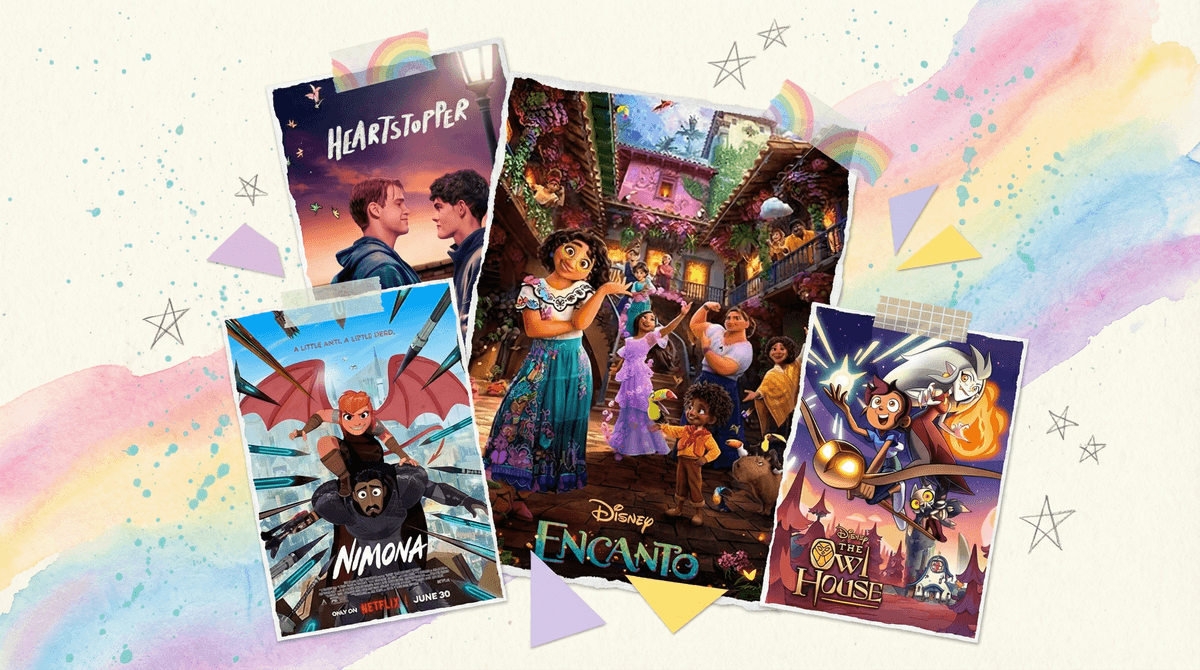
We're living in a time when kids' media is finally catching up to reality — that families, identities, and love stories come in all forms. LGBTQ+ content for young viewers ranges from shows with casually queer characters (where being gay is just... part of who they are, not the whole plot) to coming-out stories, to fantasy worlds where gender norms don't exist at all.
This isn't about "exposing" kids to something controversial. It's about reflecting the world they already live in — where their classmate has two moms, their cousin just came out as non-binary, or they themselves are quietly wondering why they don't feel the way they're "supposed to" feel.
The good news? There's actually a lot of genuinely great content out there now. The challenge? Figuring out what's age-appropriate, what's well-made versus preachy, and how to navigate this with your specific kid.
Here's the thing: representation matters, full stop. Not just for LGBTQ+ kids (though especially for them), but for all kids learning how to be humans in a diverse world.
For LGBTQ+ youth specifically, the stats are stark. They face higher rates of anxiety, depression, and suicidal ideation — not because of their identity, but because of stigma, isolation, and lack of support. Seeing yourself reflected in media you love? That's not a small thing. It's a "you're not alone, you're not broken, your story matters" thing.
For kids who aren't LGBTQ+, this content teaches empathy and normalizes diversity. It's the difference between your kid being the one who stands up for a bullied classmate versus the one who stays silent.
And look, some parents worry this content will "confuse" kids or "influence" them. The research is clear: media doesn't make kids gay or trans. It does, however, make LGBTQ+ kids feel less alone and straight/cis kids more accepting. That's... good, actually.
Not all LGBTQ+ content is created equal, and age-appropriateness isn't just about "is there kissing?" It's about emotional complexity, thematic heaviness, and what your specific kid can handle.
Ages 4-8: Casual Representation
At this age, the best content features LGBTQ+ characters or families without making it A Very Special Episode. Think: background gay dads, a princess who likes another princess, or a character who doesn't fit gender stereotypes.
Great picks:
- The Owl House — Fantasy adventure with a bisexual protagonist whose crush on another girl is treated as... normal
- Steven Universe — Gem aliens with fluid gender presentation and same-sex relationships (gets more complex in later seasons)
- Heartstopper — Actually better for tweens/teens, but the graphic novels work for mature 8-year-olds
- Books like "And Tango Makes Three" or "Julian Is a Mermaid" for read-aloud time
At this age, keep it simple. If your kid asks why two characters are both boys and in love, the answer is: "Some boys love boys, some girls love girls, some people love people of any gender. Love is love." Done.
Ages 9-12: Identity Exploration
Middle elementary/early middle school is when kids start noticing crushes, social dynamics, and who they are versus who others expect them to be. Content can get more explicit about identity and coming out, but should still be hopeful.
Great picks:
- Andi Mack — Disney Channel show with a realistic gay coming-out storyline
- The Baby-Sitters Club (Netflix version) — Features a trans character played by a trans actor, handled beautifully
- Nimona — Animated film with queer leads, themes of acceptance, and a shape-shifting metaphor that works on multiple levels
- Encanto — Not explicitly LGBTQ+, but many queer kids see themselves in the "not fitting family expectations" narrative
This is also when kids might start asking harder questions about discrimination, bullying, or why some people "have a problem" with LGBTQ+ people. Be honest but age-appropriate: "Some people were taught that there's only one 'right' way to be, and they're wrong. Everyone deserves to be loved for who they are."
Ages 13+: Complex Stories
Teens can handle coming-out struggles, discrimination, first relationships, and the messy reality of identity. The best content doesn't sugarcoat but also doesn't trauma-dump.
Great picks:
- Heartstopper — The gold standard for wholesome queer teen romance
- Love, Simon — Sweet coming-out story (some language/themes for older teens)
- Moonlight — Beautiful but heavy; best for mature 16+
- Sex Education — Fantastic LGBTQ+ rep but very sexually explicit; 16+ only
- Everything Everywhere All at Once — Not "about" being queer, but features a powerful mother-daughter storyline around acceptance
What to avoid: Shows that treat LGBTQ+ identity as pure trauma or end in tragedy (looking at you, older "bury your gays" tropes). Teens need hopeful narratives, not just suffering.
"But my kid isn't LGBTQ+..."
Cool! They still benefit from seeing diverse stories. It builds empathy, challenges stereotypes, and prepares them to be good friends, classmates, and humans.
"I'm worried about pushback from family/community..."
Valid concern. You know your situation best. Some families start with content where LGBTQ+ characters are secondary (less "in your face" for skeptical relatives), then move to more centered stories as conversations evolve.
"How do I know if my kid is questioning?"
You might not! Some kids are open, some aren't. The best approach: make it clear through your media choices and casual comments that LGBTQ+ identities are normal and accepted in your home. Then your kid knows you're a safe person to talk to if/when they're ready.
Quality matters
Not all representation is good representation. Some shows use LGBTQ+ characters as tokenism or make their entire personality "being gay." Look for content where characters are fully developed humans who happen to be LGBTQ+, not walking PSAs.
Check out Common Sense Media reviews for specific age ratings and content warnings.
Do:
- Watch together when possible, especially for younger kids
- Ask open-ended questions: "What did you think about that character?"
- Normalize casual mentions: "Oh, those two are dating, that's sweet"
- Be honest if you're learning too: "I don't know everything about being trans, but I know everyone deserves respect"
Don't:
- Make it weird by over-explaining or turning it into a Big Talk™
- Assume your kid's reaction means anything about their identity (some queer kids hate LGBTQ+ content, some straight kids love it)
- Use media as a substitute for actual conversations about values, bodies, relationships, etc.
LGBTQ+ content for young people has come a long way from subtext and tragic endings. There's now a solid range of age-appropriate, well-made shows and movies that reflect reality and tell good stories.
Your job isn't to shield your kid from knowing LGBTQ+ people exist (spoiler: they already know). It's to help them engage with diverse stories thoughtfully, build empathy, and understand that everyone deserves to see themselves as the hero sometimes.
Start with what feels right for your family's values and your kid's maturity level. Pay attention to quality, not just representation. And remember: watching a show with a gay character won't make your kid gay, but it might make them kinder. That's the actual goal.
Next step: Pick one show or movie from the age-appropriate list above and watch it together this week. See what questions come up. You've got this.