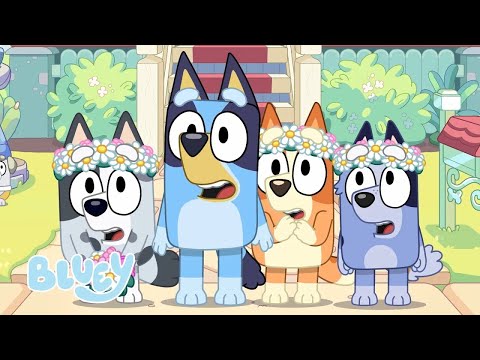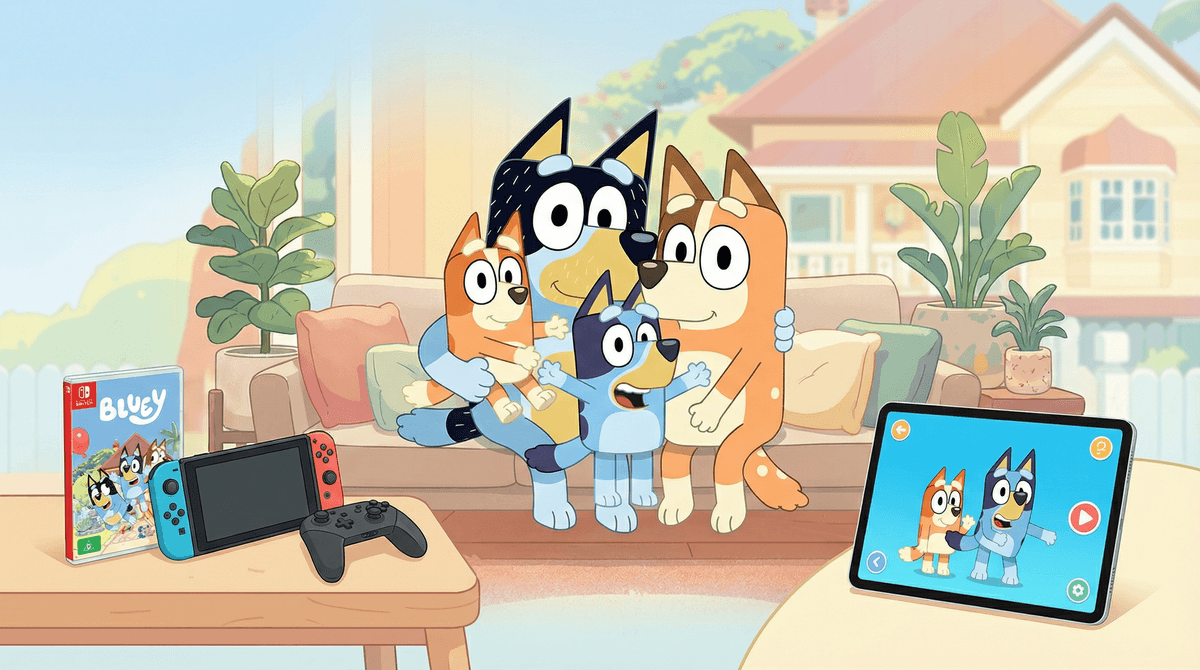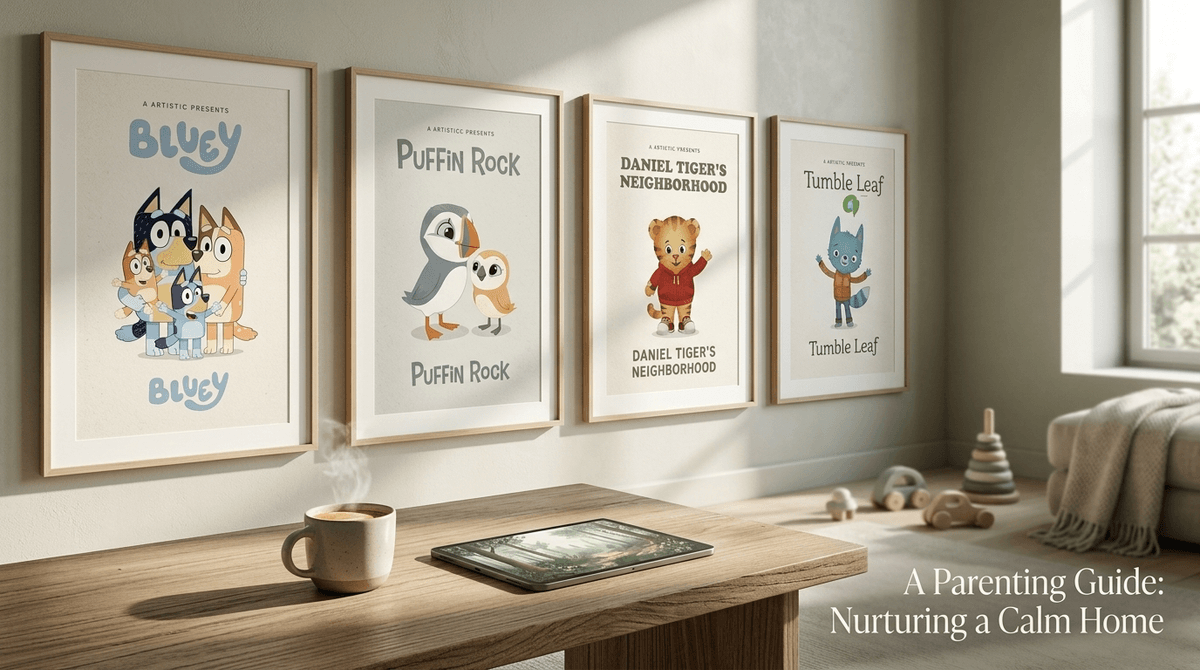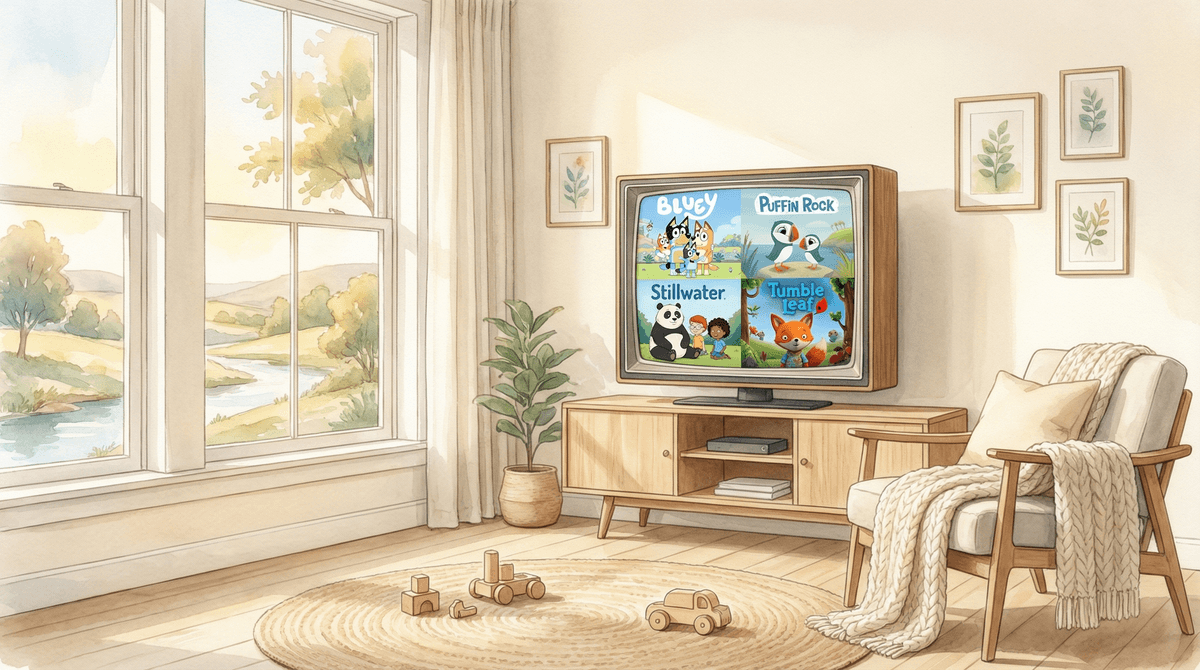


Bluey is what happens when a kids' show is written by people who've actually parented. The humor doesn't condescend. The pacing is human — not the algorithmic-stimulation pacing of Cocomelon or the frantic-edit pacing of YouTube Shorts. Episodes are seven minutes. Plots are about ordinary household moments — making dinner, going to the trampoline park, finding the right kind of cricket bat — that become elaborate imaginative games.
The games are also actually playable. Keepy Uppy is a balloon, two hands, a room. The show isn't modeling a fantasy. It models a parent who joins in.
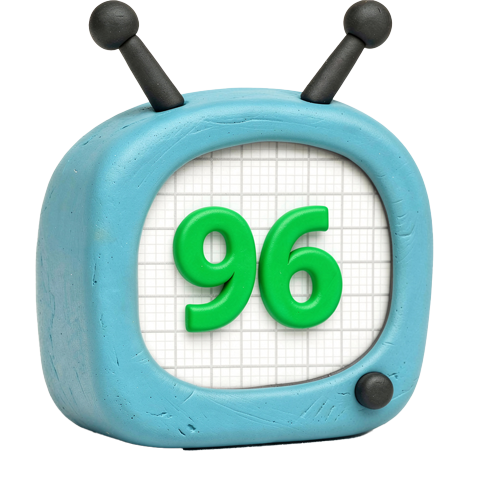
We score children's media on four dimensions — Wholesome, Imaginative, Safe, and Enriching — and Bluey hits 98, 96, 99, and 94. Those near-perfect scores reflect what parents already know: this is about as good as it gets. The critics line up the same way. But the numbers aren't really the point. The point is that you'll find yourself watching it after the kids are asleep.
For kids 2–8, the show's modeling of imaginative, cooperative play is the whole win. Six specific episodes are basically masterclasses in emotional intelligence: Bingo working through being copied (Copycat), Bluey learning disappointment (Sticky Gecko), Bandit and Chilli demonstrating what it looks like when grown-ups are tired and still show up. For parents, the surprise is that you'll laugh out loud — not at winking adult jokes grafted onto a kids' show, but at the actual texture of the writing.
Bandit is the parent every parent half wants to be and half resents. Chilli is the parent every parent actually is: present, exhausted, doing the work, occasionally needing the kids to go outside so she can drink a coffee. The deepest episodes — Sleepytime, Baby Race, The Sign — aren't really for the kids at all. They're for the parents in the room. And the show somehow pulls that off without leaving the kid behind.