Beyond the "Frog of the Week"
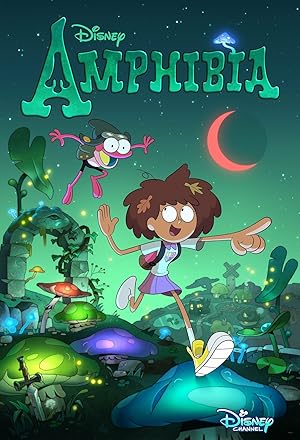
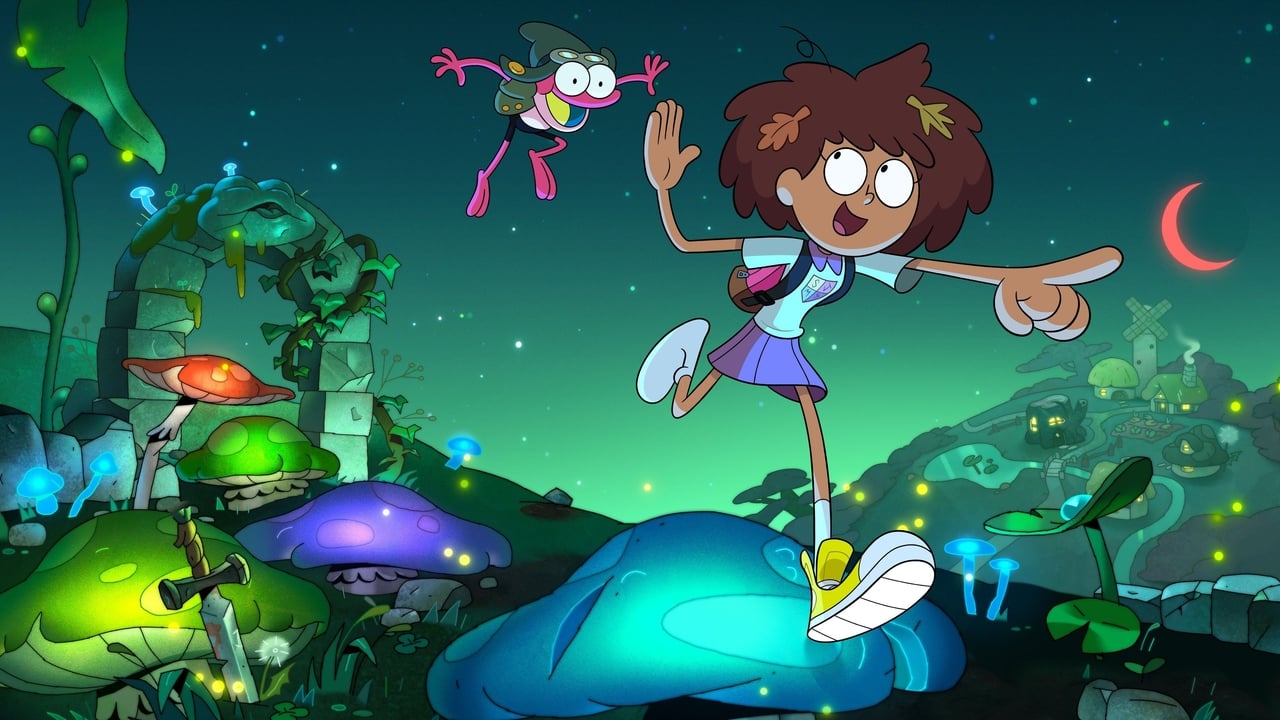
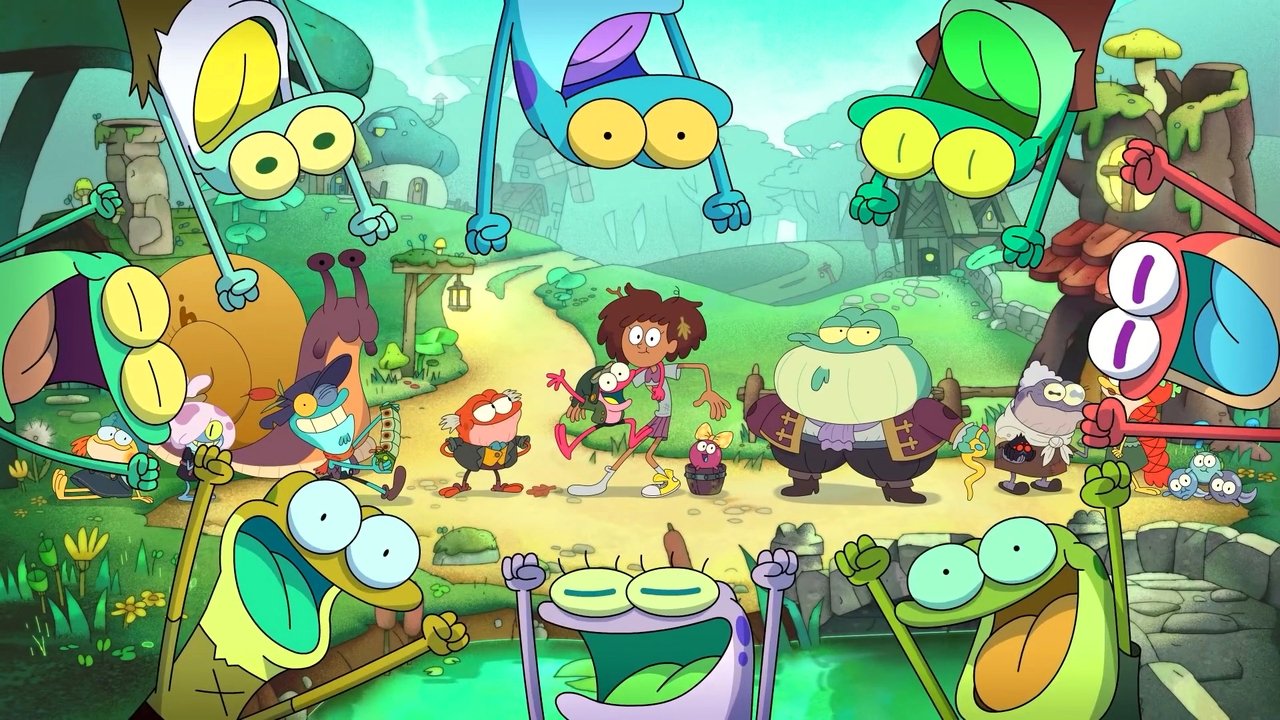
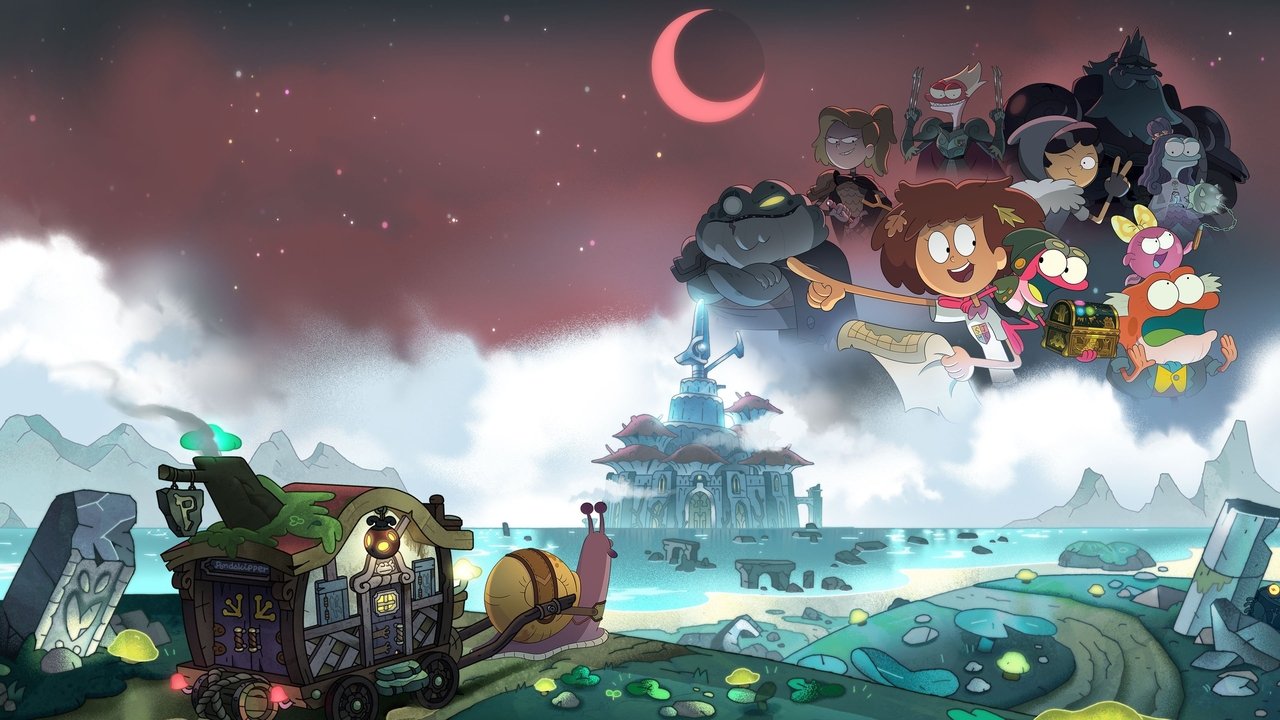
If you grew up on cartoons where every episode reset to zero by the credits, Amphibia might catch you off guard. It starts as a fairly standard fish-out-of-water comedy—Anne is a Thai-American girl stuck in a marshland of sentient frogs—but it eventually evolves into a high-stakes fantasy epic. This is part of a specific wave of Disney storytelling that prioritizes serialized plots.
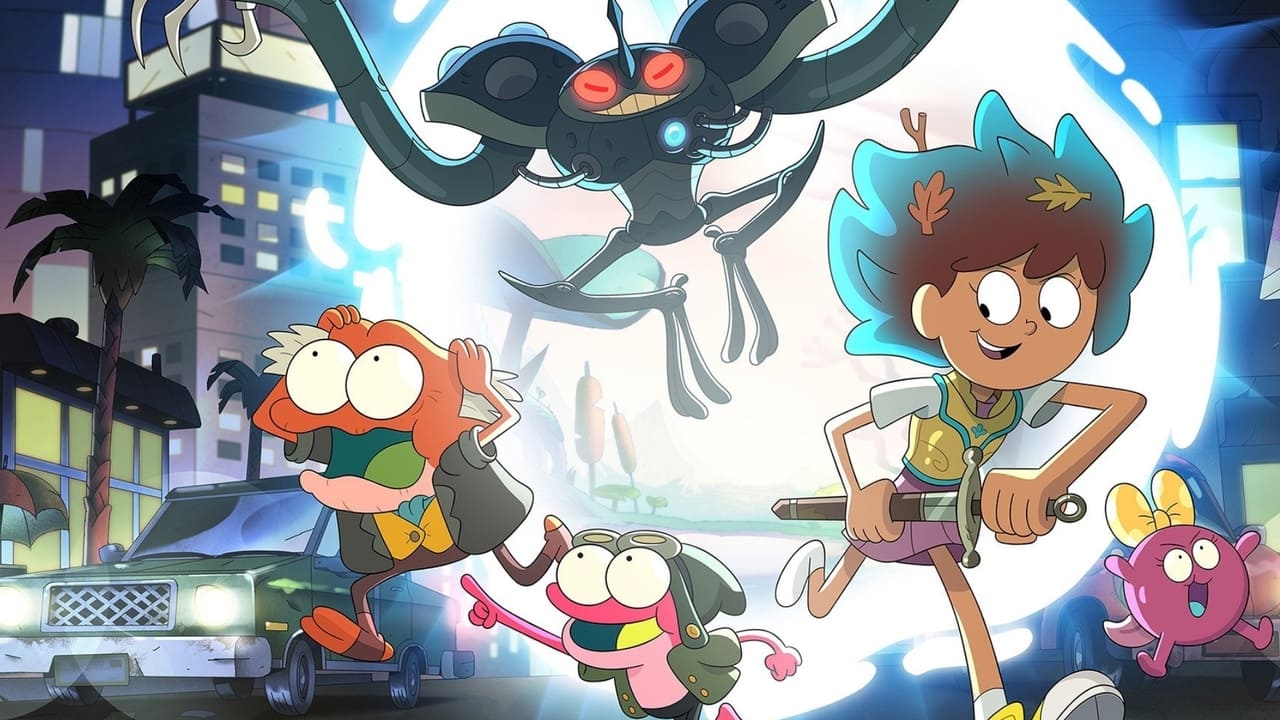
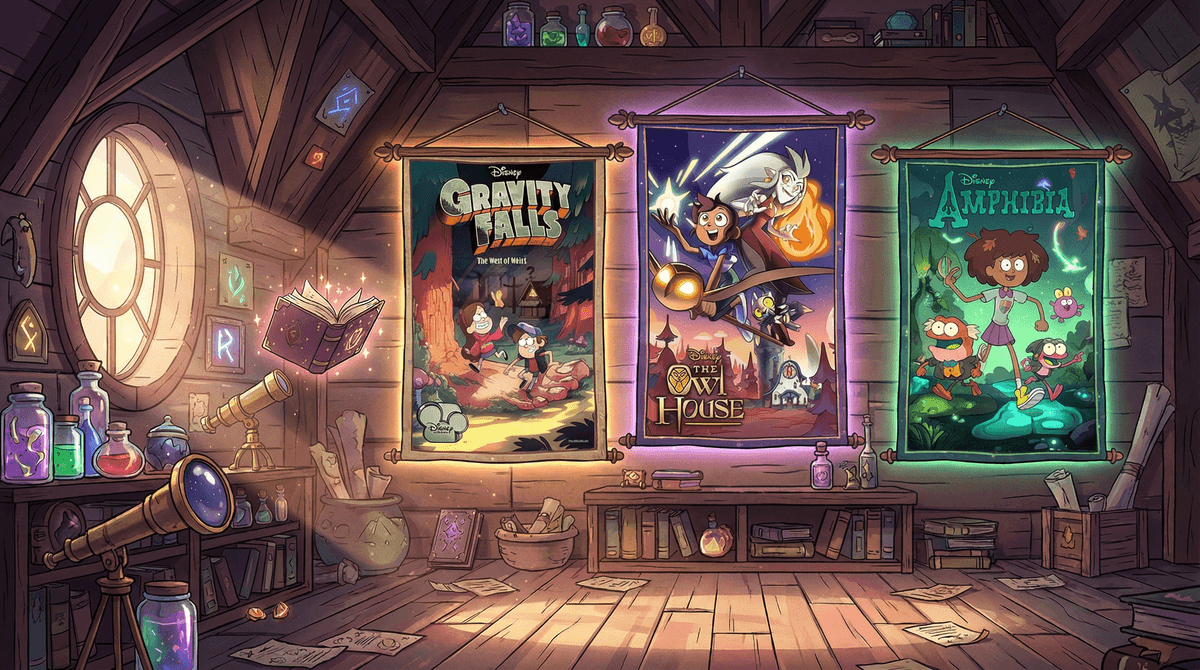
While the early episodes feel like "monster of the week" silliness, the show is actually laying groundwork for a massive story about interdimensional travel and ancient prophecies. If your kid is into the deep "lore" and secret-hunting found in Mystery Shacks and Frog Worlds: Decoding the Lore of Gravity Falls and Amphibia, they will likely be hooked by the mid-point of the first season.
The "Toxic Friendship" Masterclass
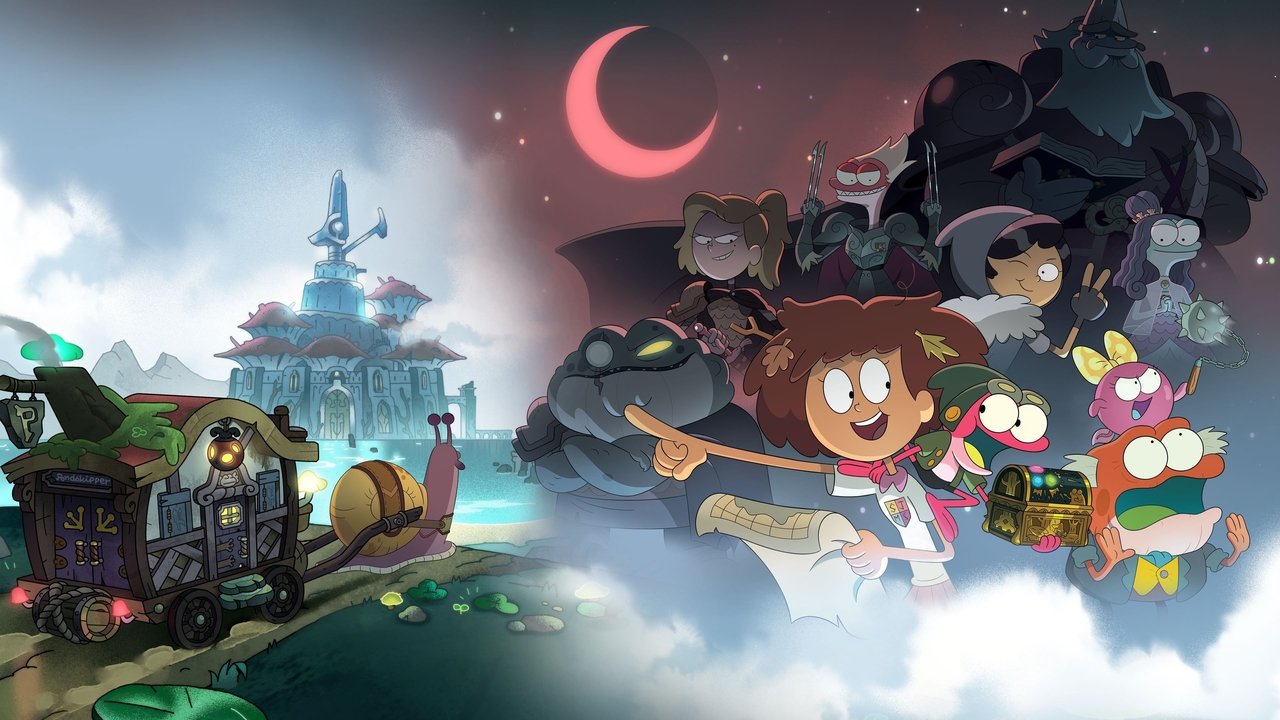
The most impressive thing about Amphibia isn't the giant bugs or the magic music box; it’s the way it handles social dynamics. Anne doesn't land in this frog world alone—her two best friends from home are also scattered across the land. However, the show is remarkably honest about the fact that their friendship back in the "real world" was actually kind of terrible.
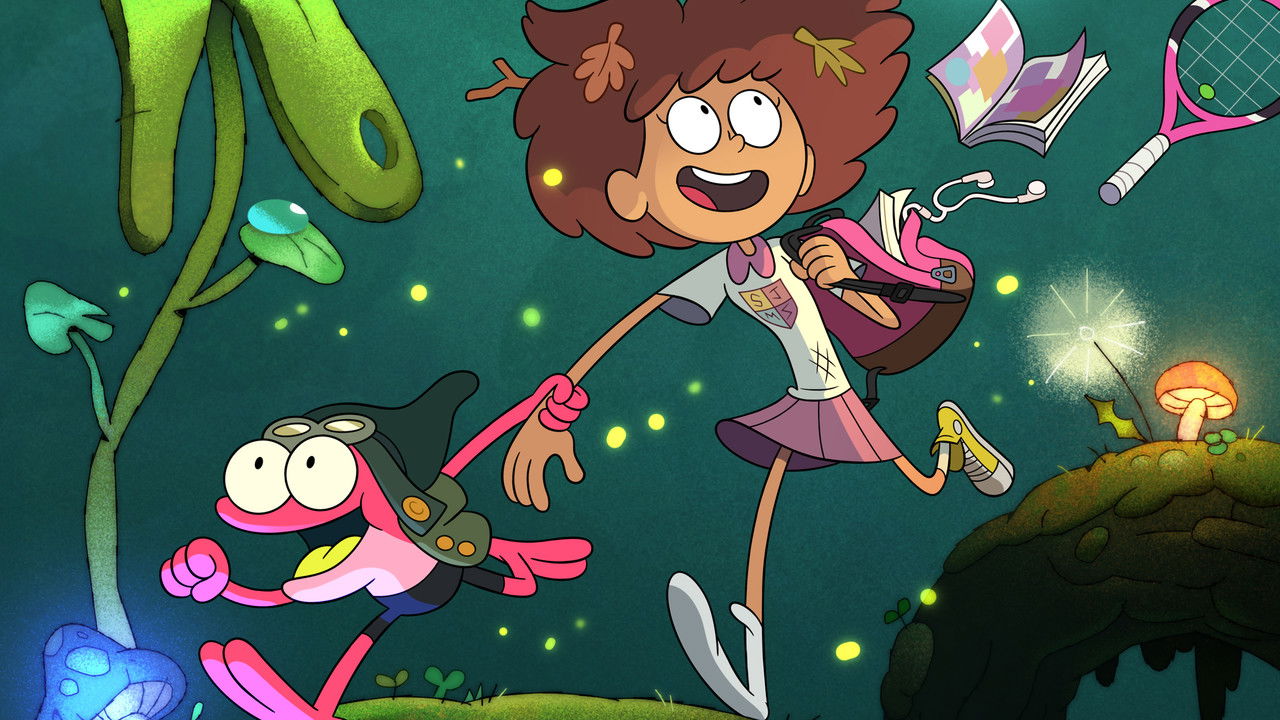
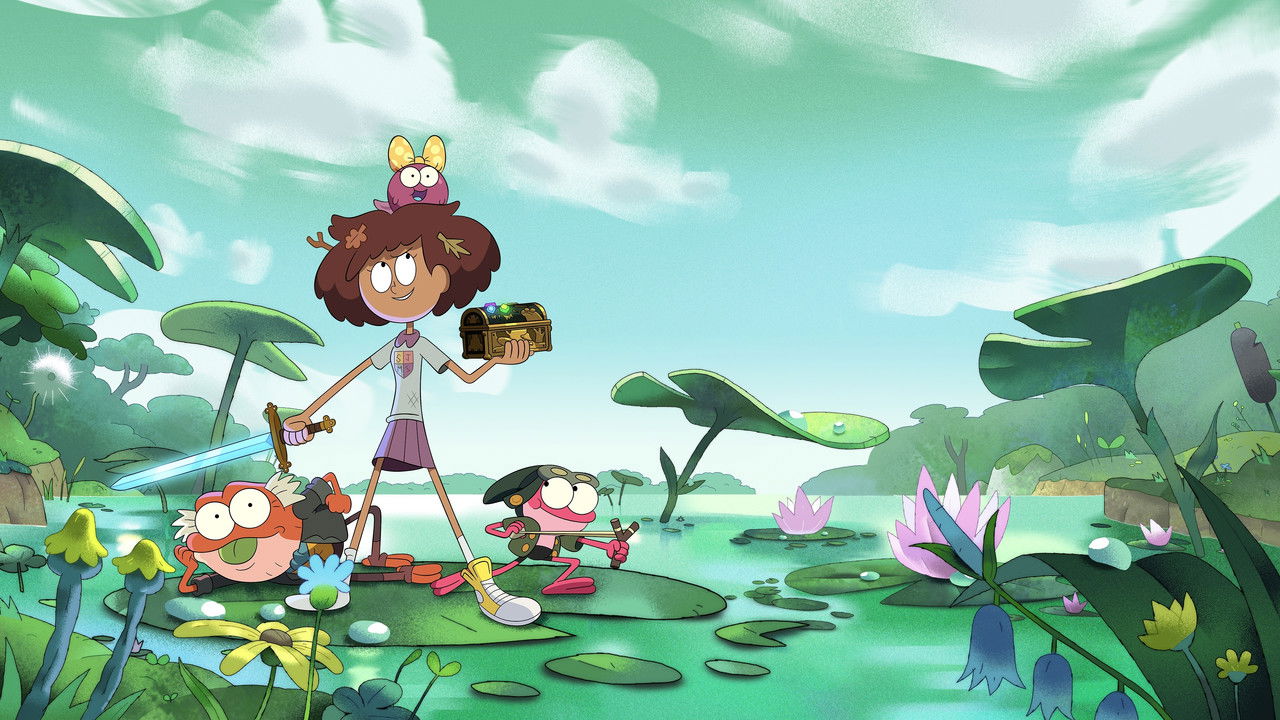
Anne starts the series as a bit of a pushover who lets her friends manipulate her. Watching her find her backbone while living with the lovable, chaotic Plantar family is the real heart of the show. It’s a great bridge for kids who are starting to navigate the messy social hierarchies of middle school. It doesn't just tell kids to "be a good friend"; it shows them how to spot when a friendship is one-sided.
Managing the "Action & Adventure" Heat
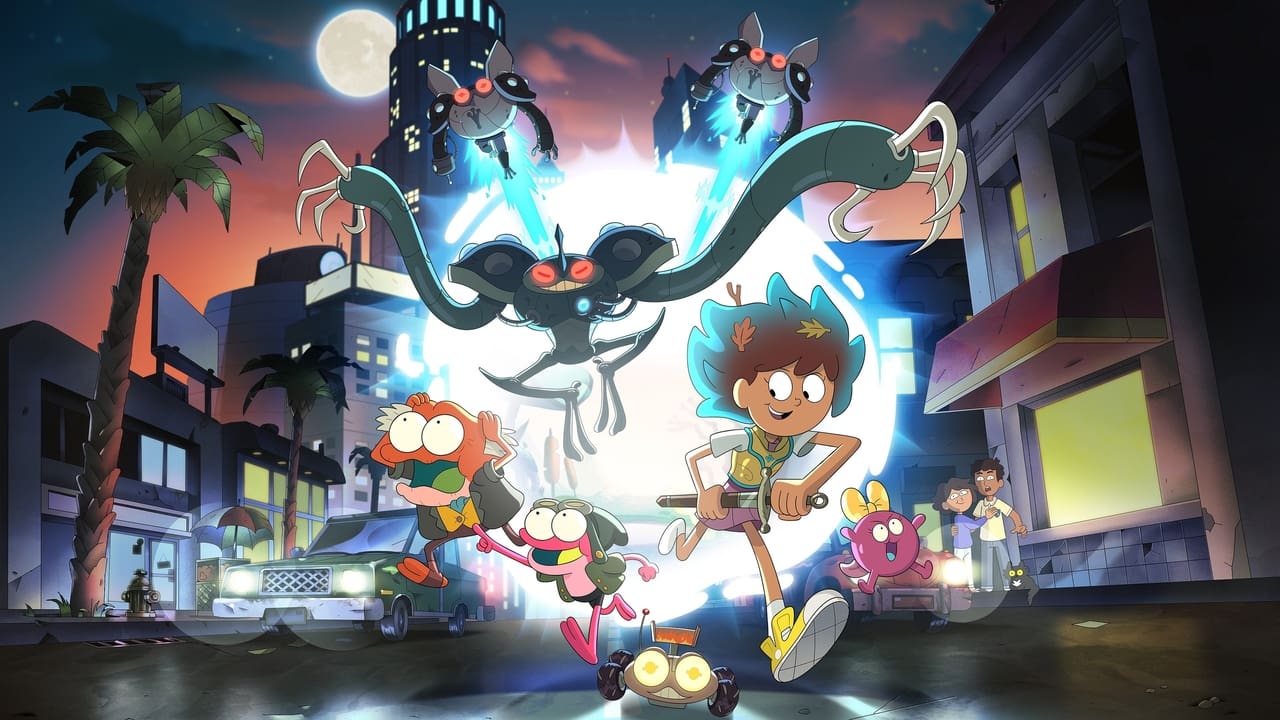
The 8.3 IMDb score is earned, but that high rating comes from fans who appreciate that the show isn't afraid to get intense. While the Common Sense rating sits at age 7, the later seasons move away from simple slapstick and into genuine fantasy peril. Characters face real consequences, and the "villains" are more than just bumbling crooks.
If your household is sensitive to "scary" elements, treat this similarly to how you’d approach The Owl House age rating. The fantasy violence is mostly "cartoonish"—think glowing swords and energy blasts—but the emotional weight of the battles can feel heavy for younger viewers. For kids in the 8-to-12 sweet spot, this intensity is exactly why they love it; it feels like a show that respects their ability to handle a real story.
How to watch it well
Don't be surprised if your kid wants to binge this. Because the plot becomes so interconnected, watching it out of order is a recipe for confusion. If you're watching together, pay attention to the "B-plots" involving the other two human girls. The show is playing a long game, and the payoff in the finale is widely considered one of the best in modern animation. It’s a rare series that actually sticks the landing.