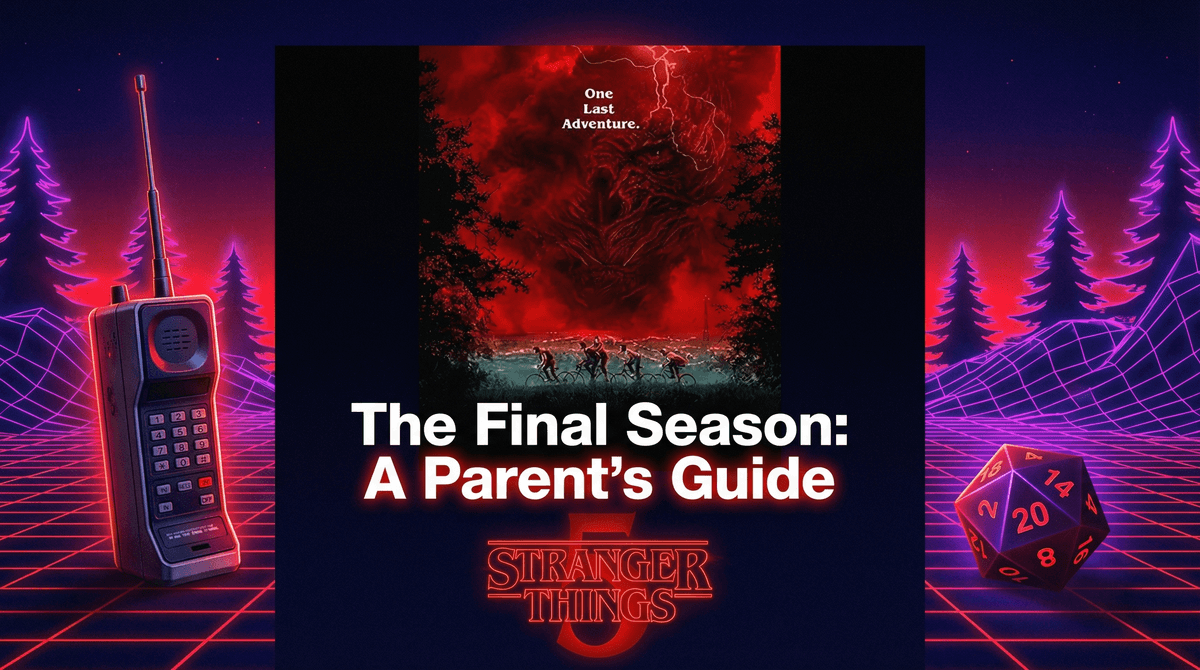

Stranger Things is a great show that's genuinely too intense for most kids under 12. | Screenwise

A parent’s playbook

Stranger Things is a great show that's genuinely too intense for most kids under 12.

It starts as creepy 80s adventure and ends as full-blown horror — the scares ramp up every season. Here's the age it actually fits, how to read your own kid, and what to watch first if they're not ready yet.

WISE 58

The bottom line

80s nostalgia meets Demogorgons—thrilling for teens who can handle genuine scares, but definitely not for the little ones.

Stranger Things is legitimately great television—creative, engaging, emotionally resonant, and culturally significant.

The friendships are real, the stakes feel meaningful, and the 80s nostalgia hits just right.

But let's be clear: this is horror.

Not "spooky fun" horror, but "monsters eating people's faces" horror.

The Demogorgon isn't cute.

The Mind Flayer possession scenes are disturbing.

Characters die, sometimes gruesomely.

If your kid struggles with nightmares or anxiety, this isn't the show to test their limits.

For teens who love the genre and can separate fiction from reality, it's a solid choice with genuine heart underneath the scares.

The themes of friendship, found family, and standing up to bullies (both supernatural and human) are meaningful.

Just know what you're signing up for—and maybe watch Season 1 yourself first to gauge whether your particular kid is ready.

Also worth noting: the show's popularity means your teen has probably already seen it at a friend's house, so you might be having this conversation retroactively.

Such is modern parenting.

Wholesome

55/100

While the show models strong friendships, loyalty, and teamwork among kids facing adversity, it's undercut by frequent profanity, teen relationship drama, bullying scenes, and emotionally intense moments (missing children, family separation, government conspiracies). The tone is often dark and anxious rather than emotionally healthy, though the core friend group does demonstrate cooperation and care for one another.

Imaginative

88/100

Exceptional world-building with the Upside Down, creative 80s nostalgia aesthetics, D&D-inspired mythology, and supernatural mystery elements that spark curiosity. The show invites viewers to theorize, problem-solve alongside characters, and engage with sci-fi concepts. The blend of horror, sci-fi, and coming-of-age adventure is original and culturally influential. TMDB rating of 8.594 reflects strong audience engagement.

Safe

35/100

Significant safety concerns: graphic monster violence, body horror (Demogorgons eating people, Mind Flayer possession), jump scares, child endangerment as a central plot device, on-screen deaths including kids/teens, government torture scenes, and escalating gore across seasons. Contains profanity, underage drinking/smoking, and some sexual content with teens. This is NOT content a young child could stumble into safely. While it's predictably scary (it's horror), the intensity level is high.

Enriching

72/100

Strong themes of friendship, bravery, standing up to bullies, and found family. Characters grow through adversity and demonstrate problem-solving, scientific thinking, and moral courage. Explores grief, trauma, and identity in meaningful ways. The 80s setting offers cultural/historical interest. However, the primary draw is entertainment and suspense rather than explicit skill-building or educational content. Still, the emotional depth and character arcs provide genuine insight into loyalty and resilience.


Is Stranger Things right for your kid specifically?


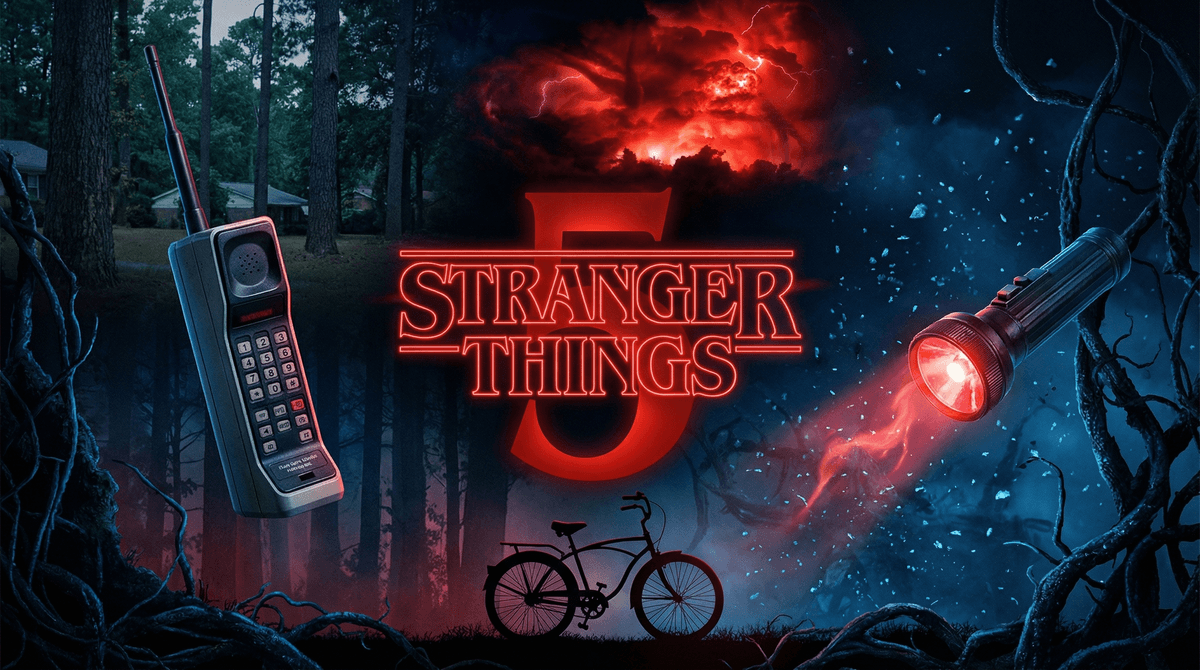
Stranger Things is a 1980s-set sci-fi horror series about a group of kids in small-town Indiana who go up against monsters from a parallel dimension called the Upside Down. It's a love letter to Spielberg and Stephen King, and it's genuinely excellent television — we score it Imaginative 88, and it earns every point. The problem for parents is the other number: Safe 35.

That low Safe score isn't prudishness. The scares are real, and they escalate hard. Season 1 plays like a creepy kids-on-bikes adventure with a few nightmares in it. By season 4 it's body horror — a villain who snaps bones and warps faces, on-screen deaths that land hard, and long stretches of genuine dread. It's rated TV-14, but the back half of the series plays much closer to an R-rated horror film than the early episodes suggest.

So the real question isn't whether Stranger Things is good — it is — but whether your specific kid is ready for it. Most kids handle it somewhere around 12 or 13. A sensitive 10-year-old will have nightmares. The thing to gauge isn't language or sex (both are pretty mild) — it's tolerance for dread, jump scares, body horror, and kids their own age in mortal danger. Match the kid in front of you, not just the birthday.

The useful thing about the show is that it ramps. You can start a younger kid on season 1, watch together, and pause before the intensity spikes — the Duffer Brothers dialed the horror up as the original child cast grew into teenagers. Co-watching the early seasons is the move: it's half the fun, and you're right there when it gets to be a lot.

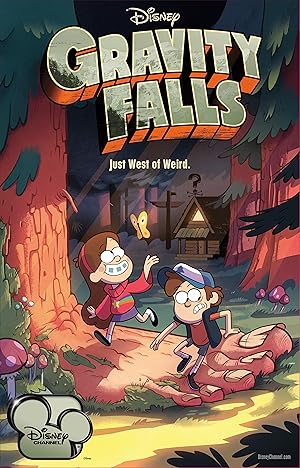
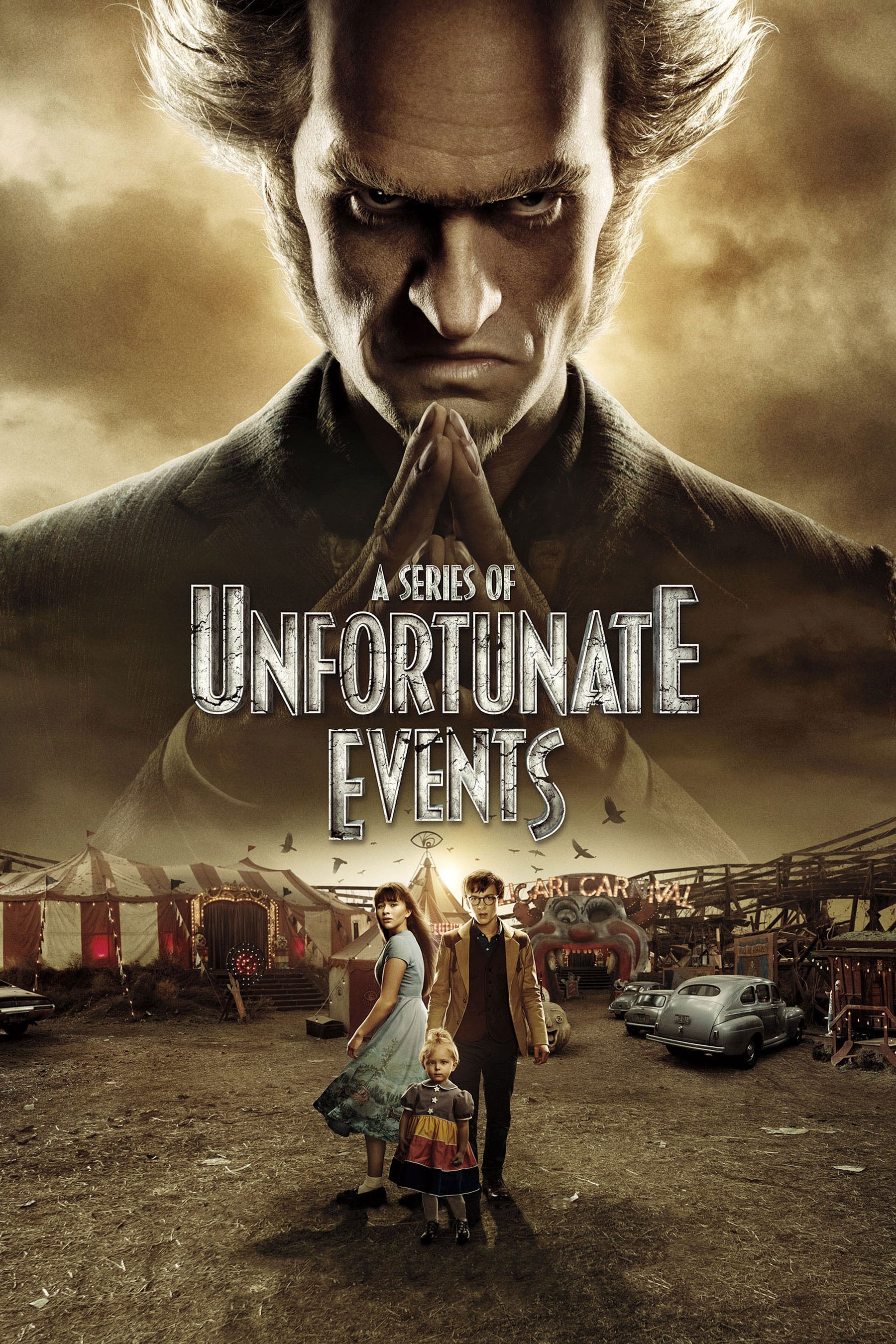
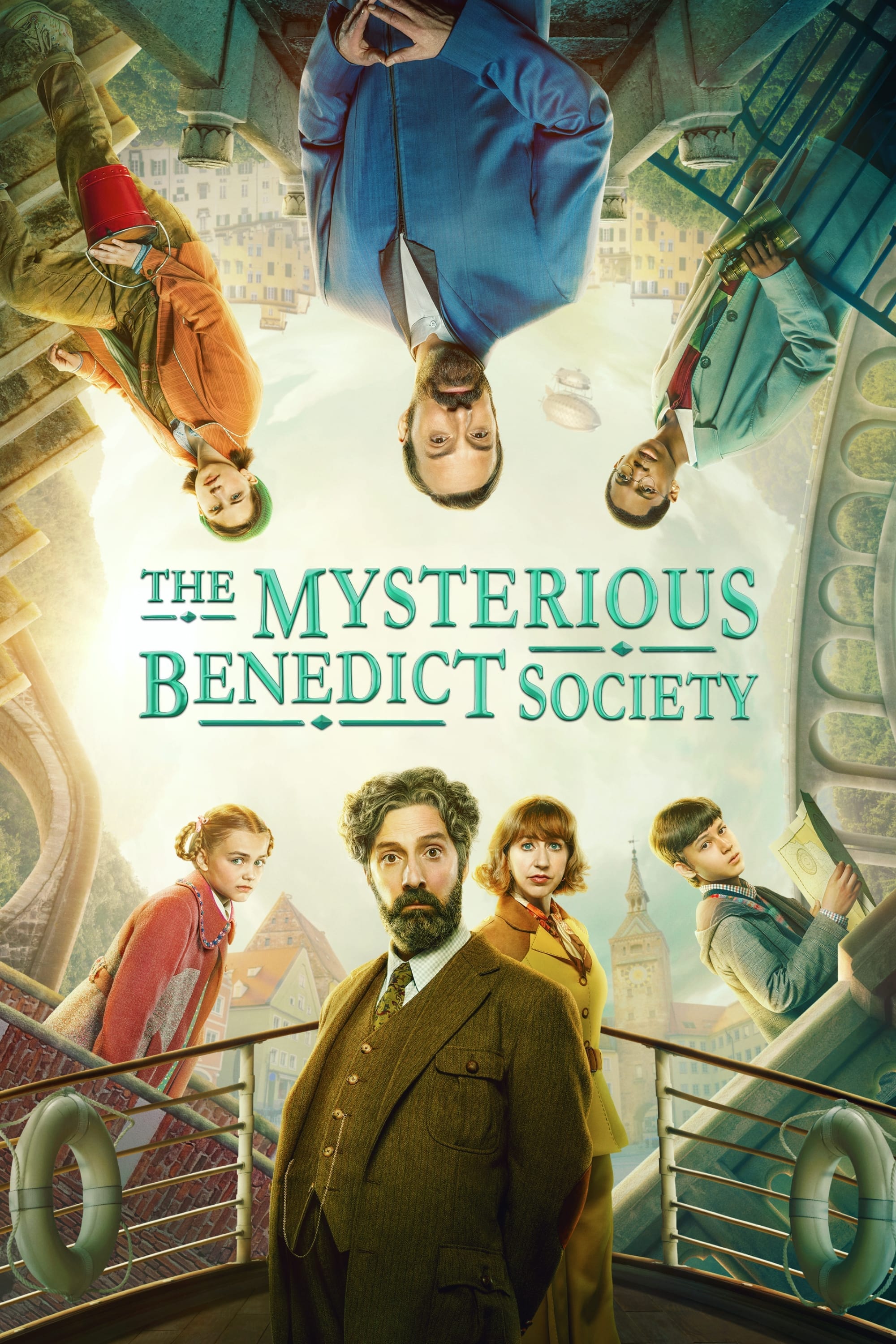
And if your kid clearly isn't ready, that's not a dead end. The gentler spooky-adventure shows — The Mysterious Benedict Society, Gravity Falls, Goosebumps — build the same taste for mystery and mild scares without the trauma, and make a great on-ramp for a year or two from now.
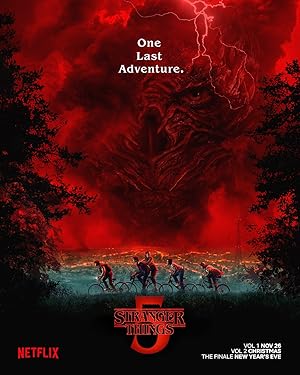
The real watch-out: it ramps from creepy to genuine horror by season 4.

The single most important thing to know is that Stranger Things is not one consistent level of scary. Season 1 is creepy-adventure a brave 10-year-old can probably handle with you on the couch. By season 4, the villain Vecna is the stuff of actual nightmares — body horror, snapped limbs, and a sustained sense of dread that's a different show from where it started. Plan to re-check whether your kid is still okay as the seasons climb, rather than green-lighting all of it at once.

The specific triggers are dread and body horror, not the usual content flags. Expect jump scares, grotesque monster transformations, kids and teens in real mortal peril, and a handful of character deaths that hit hard because you're attached by then. There's some teen language and a little romance, but those aren't the reason for the age guidance — the horror is.

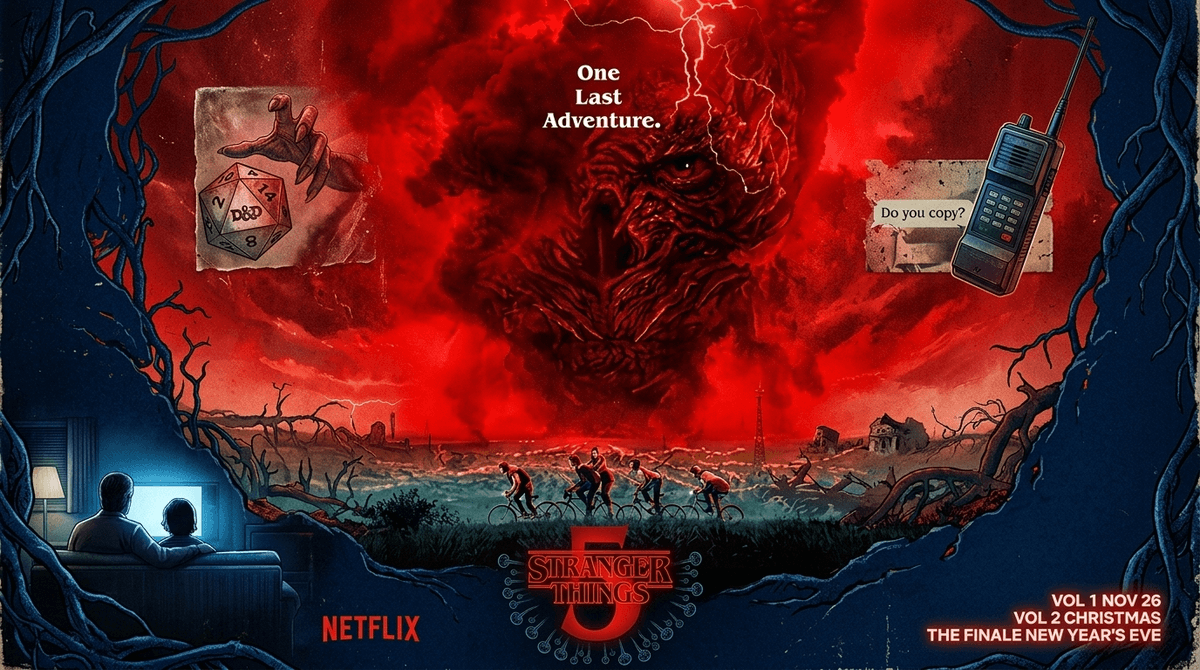
The peer-pressure piece is real, too. With season 5 out, Stranger Things is the thing every kid at school is talking about, and a younger kid can feel like the only one not watching. That social pull is worth naming directly — "too scary for you right now" lands better when you pair it with a plan: a gentler show now, and this one when you're a bit older. For the spoiler-sensitive, our guide to who dies in season 5 lets you pre-screen the gut-punches before your kid does.


Start with season 1, and watch the first few episodes together.

Season 1 — the on-ramp

The most accessible entry by a wide margin: creepy, adventurous, and built around the kids rather than the gore. It's the right test of whether your kid is ready — if season 1 is too much, the rest definitely is.

Platform
Netflix · TV-14
Best way in
Watch the first two or three episodes together and read the room before letting them run ahead.
More →

Not ready? Start with a gentler scare

If season 1 spooks them, that's useful information, not a failure. Build the taste for mystery and mild scares with something pitched younger, then come back to Hawkins in a year or two.

Platform
See the gentler picks below
Best way in
The Mysterious Benedict Society or Gravity Falls are the best on-ramps — spooky-fun without the dread.
More →

The season-4 gut check

The intensity jumps sharply at season 4 (the Vecna arc). It's completely fine to pause the series there for a younger or more sensitive kid and pick it up when they're older — the story rewards a bit more maturity anyway.

Platform
Netflix · the back half plays like R-rated horror
Best way in
Treat seasons 1–3 and seasons 4–5 as two different readiness decisions, not one.

After you watch.

A few things worth saying when the episode ends:

  • Which of the kids do you relate to most, and why?
  • That episode got pretty scary — what part stuck with you?
  • The Upside Down is basically Hawkins gone wrong. If our town had one, what would be different about it?
  • Did any of it feel too intense? It's always okay to tap out — we can take a break.
  • The whole show is set in the 80s, before phones. How would the story be different if the kids could just text each other?

Start gentler · Ages 8–10

Spooky-fun, not nightmare fuel.

Lower-stakes mystery and adventure that scratches the same itch — kids solving something strange together — with scares a younger viewer can handle. The right on-ramp if Stranger Things is still a year or two away.

Browse all rated media

Closest match · Ages 10–12

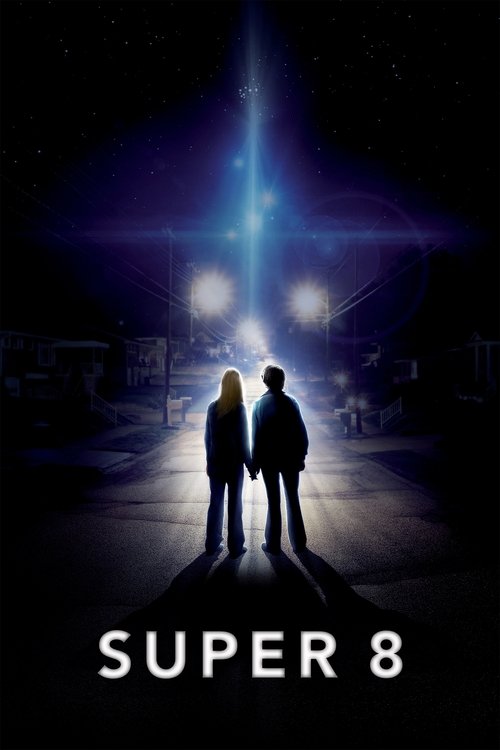
Same 80s-kids-on-bikes energy.

A real step up: genuine stakes, real scares, the adventure-with-danger feel of Stranger Things itself. For a kid who's almost there and wants something in the same spirit.

Browse all rated media

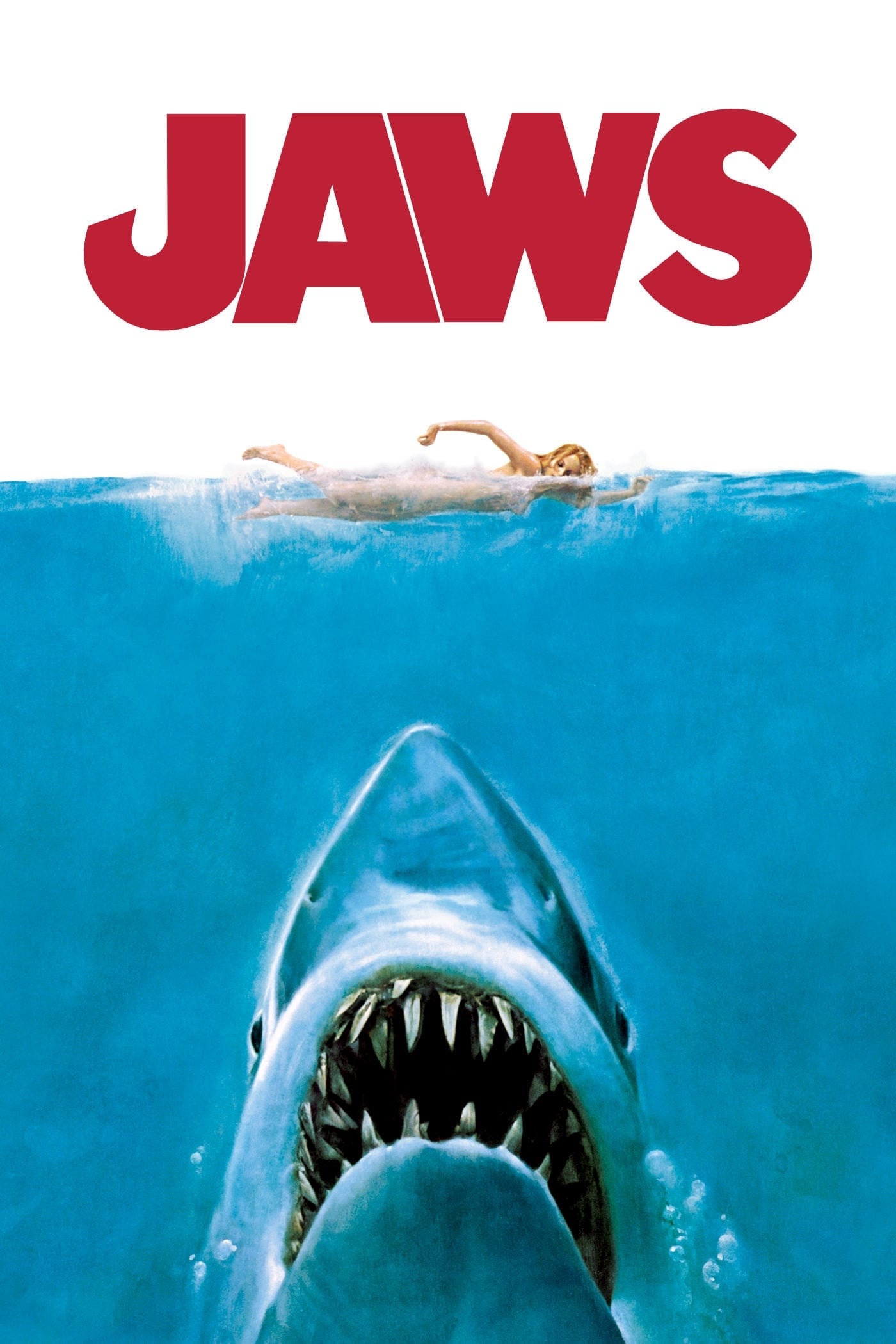
The influences · Ages 12+

Where Stranger Things got its scares.

The Spielberg-era classics the Duffer Brothers grew up on — more intense, and the clear DNA behind Hawkins. For an older kid ready for the real thing.

Browse all rated media


What other families are actually doing.

The next time your kid says “but everyone” about a phone, a TikTok account, or a new app — here’s the actual data by grade.

What kids are watching, by grade

Sign in to personalize this guide with data from families in your school, city, and community

Average Screen Time by Grade (Hours/Day)

Weekday Hours
Weekend Hours
Average

Netflix Access by Grade

No Netflix
Kids Section
Regular

FAQ.

Real questions parents actually ask about Stranger Things


Want recs for your kid specifically?

Take the 5-minute Screenwise family survey. We’ll use it to surface the shows, games, and books that actually fit your kid — not just the generic top 10.

Take the 90-second Gut Check