Zelda isn't just a video game series; it’s a genre of creative problem-solving that makes most other "educational" software look like digital busywork. If your kid is suddenly obsessed with Link, Hyrule, and why they can't stop talking about building a hovercraft out of logs, they’ve stumbled into the gold standard of gaming. It's a world built on curiosity, spatial reasoning, and the realization that if you can see a mountain, you can probably climb it.
TL;DR
The best entry point for a Zelda-obsessed kid depends on their age: Zelda: Echoes of Wisdom is the perfect logic-first starter for ages 7+, while Tears of the Kingdom is a massive physics playground for older kids who love to build. These games trade "brain rot" for genuine engineering challenges and rewarding exploration. For a full breakdown of the series, check out our comprehensive Zelda guide.
The modern era of Zelda changed everything by giving players a physics engine and telling them to "figure it out." There is no single "right" way to solve a puzzle, which is exactly why kids find it so addictive.
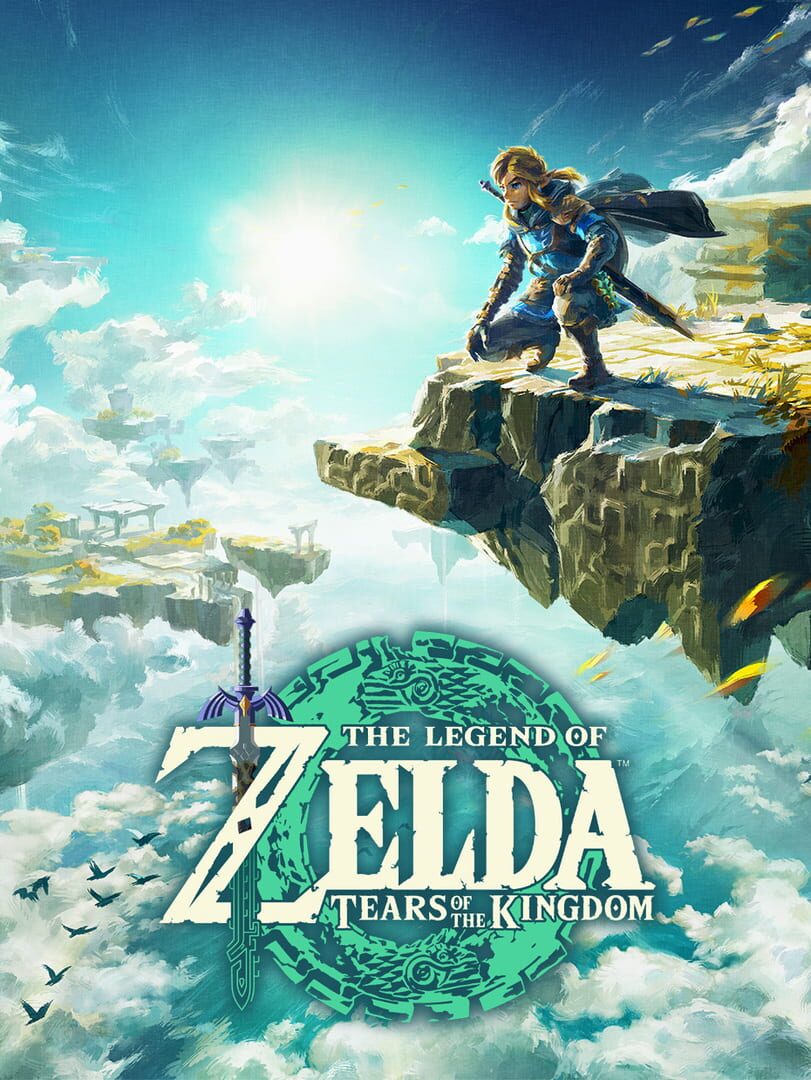
This is the current peak of the franchise. If your kid likes building in Minecraft, this is the logical next step. The Ultrahand mechanic lets them snap together fans, wheels, and rockets to build everything from simple rafts to complex flying machines.
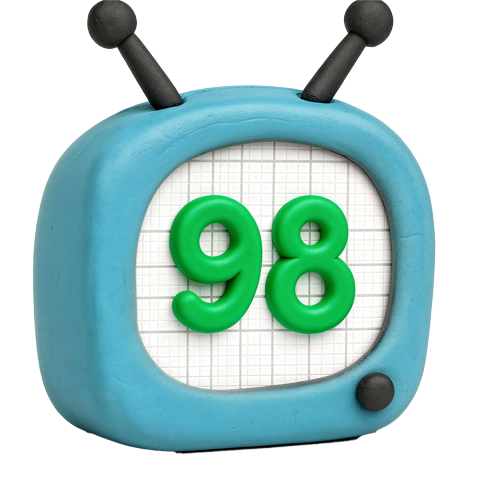
The Screenwise Read: It’s a 98/100 for a reason. It turns a fantasy world into a mini-engineering lab. The watch-out: The "Gloom Hands" are a genuine jump-scare that can rattle younger kids, and the underground "Depths" area is dark and intimidating. It's best for kids 10+ who can handle complex menus and some spatial frustration.
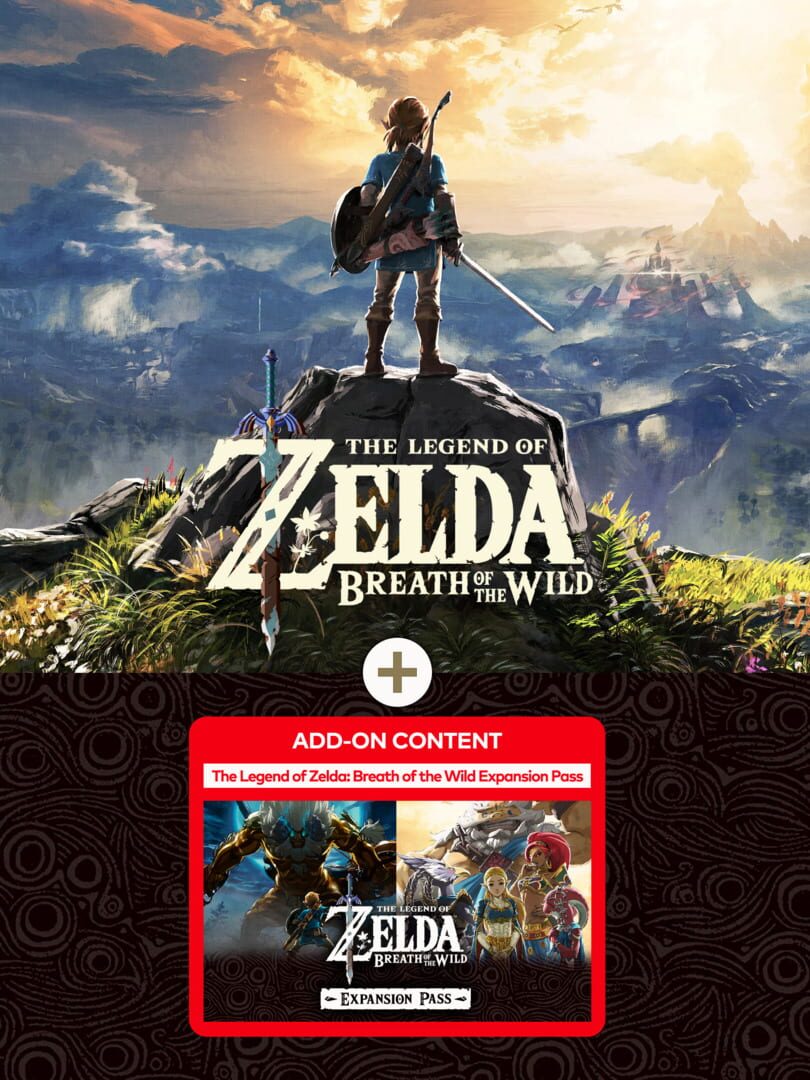
The 2017 prequel to Tears is still a masterpiece. It’s less about building machines and more about pure exploration and systems thinking. If it rains, the rocks get slippery and you can’t climb. If there’s a thunderstorm, your metal sword will attract lightning.
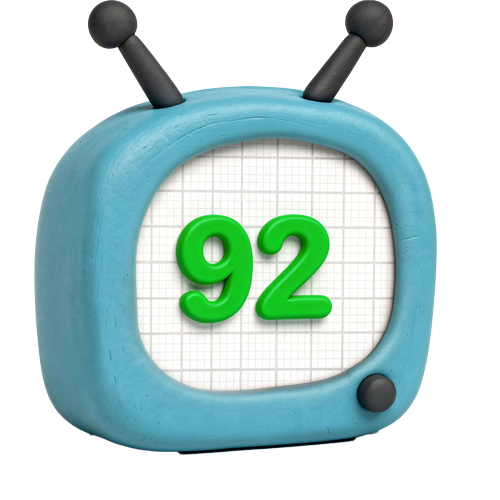
The Screenwise Read: It rewards curiosity without hand-holding. The watch-out: The Guardians (giant mechanical spiders) have a specific laser-targeting sound that is designed to induce panic. Some younger kids might need you to take the controller for those high-stress encounters.
Not every Zelda game requires 3D spatial navigation and twitch reflexes. Some are more about the "AHA!" moment of solving a riddle.
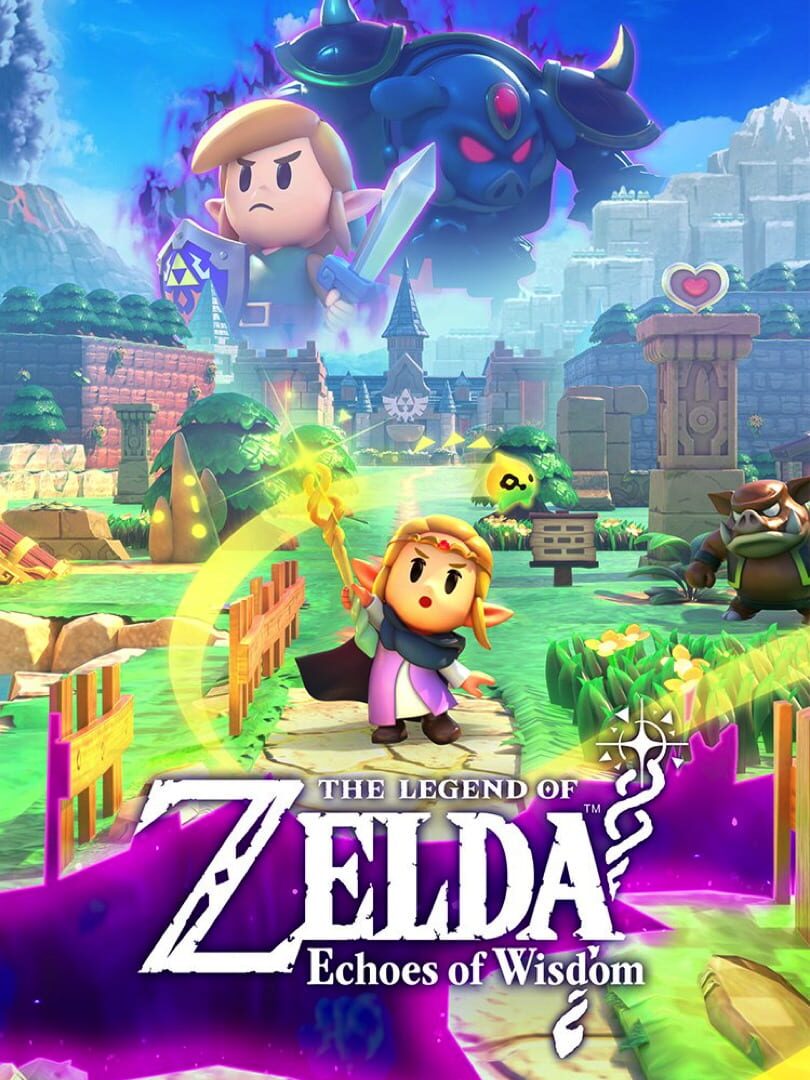
This is the newest entry where Princess Zelda finally takes the lead. Instead of a sword, she uses a magic wand to create "echoes" (copies) of objects. Need to cross a gap? You can build a bridge of beds or summon a flying monster to carry you.
The Screenwise Read: This is the most kid-friendly Zelda ever made. The toy-like visuals are charming, and the mechanics are forgiving. It’s essentially a logic puzzle game disguised as an adventure. The watch-out: There is a lot of reading. If your kid isn't a confident reader yet, you’ll be doing the voice acting for the NPCs.
Sometimes the old ways are best. If you have a Nintendo Switch Online subscription, you already have access to the game that defined the entire formula.
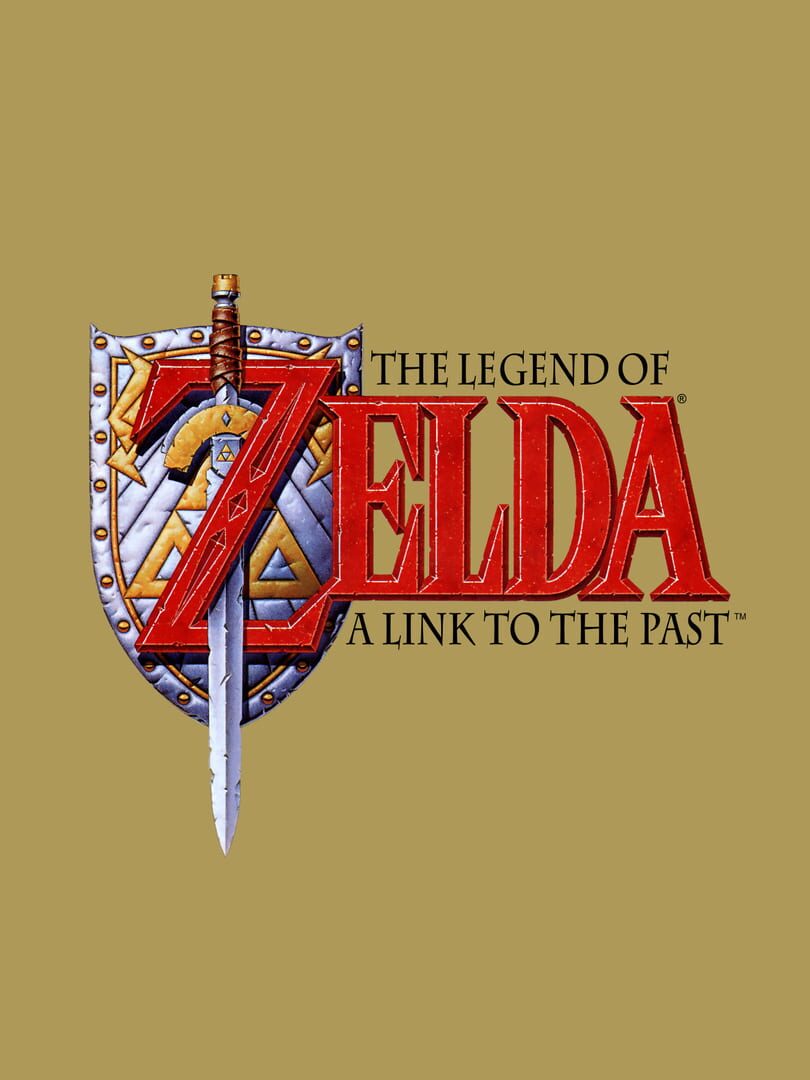
Released in 1991, this game still holds up because its design is airtight. It teaches the player how to play through gameplay, not through 20-minute tutorials. It introduces the "dual-world" mechanic where actions in one world affect the other—a great introduction to complex narrative structures.
The Screenwise Read: It’s a lesson in persistence. The watch-out: Old-school games are harder. There are no waypoints on the map telling you exactly where to go. Your kid will have to actually talk to NPCs and remember what they said.
Sometimes a kid loves Zelda not for the sword-fighting, but for the charm, the quirky characters, and the sense of being on a grand, slightly weird adventure.
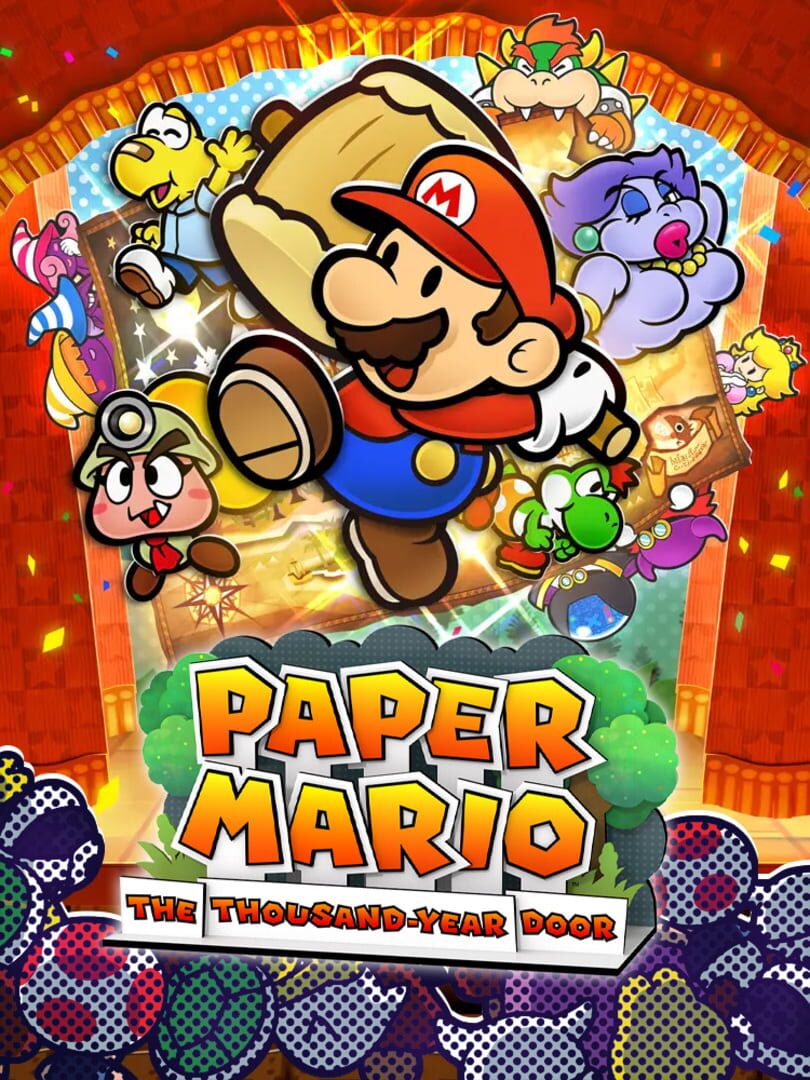
While technically a Mario game, this RPG hits the same "adventure and discovery" notes as Zelda but with a heavy dose of humor. It’s turn-based, meaning kids have time to think about their moves rather than panicking in real-time combat.
The Screenwise Read: The writing is legitimately funny for both kids and adults. The watch-out: Like Echoes of Wisdom, this is a text-heavy game. It’s a great way to build language comprehension, but it requires focus.
The magic of Zelda is that it’s a "co-pilot" game. Even if it’s single-player, it’s often more fun when someone else is on the couch helping spot secrets or suggesting weird ways to solve a puzzle.
- Ask about the "How": When they beat a boss or solve a shrine, don't just say "good job." Ask, "How did you think of that?" In Tears of the Kingdom, their solution might be something the developers didn't even intend.
- Embrace the Frustration: Zelda games are designed to let you fail. When they get stuck, resist the urge to Google the answer for them immediately. Let them sit with the problem. The "AHA!" moment is the whole point.
- The Soundtrack: The music in this series is world-class. If your kid is into music, Zelda is a great gateway into orchestral scores and leitmotifs.
Q: Which Zelda game should my kid play first? If they are under 10, start with Zelda: Echoes of Wisdom. It’s the most accessible and focuses on creative logic. If they are 10+ and love building things, go straight to Tears of the Kingdom.
Q: Is Zelda too violent for younger kids? The combat is "fantasy violence"—monsters puff into smoke when defeated. There is no gore. The bigger concern isn't violence, but intensity; some boss fights and "creepy" areas can be stressful for sensitive kids.
Q: Do they need to play the games in order? No. While some games are direct sequels (like Tears following Breath of the Wild), every Zelda game is designed to be a standalone experience. You don't need to know the history of the Triforce to enjoy the gameplay.
Q: Is Zelda better than Minecraft? They do different things. Minecraft is a pure sandbox; Zelda is a directed adventure with sandbox tools. Zelda provides more "friction" and specific goals, which can be better for kids who get bored in Minecraft's "do whatever" environment.
Zelda is the antidote to "brain rot" gaming. It requires focus, spatial reasoning, and creative experimentation. If your kid is into it, lean in. It's one of the few franchises that actually respects a kid's intelligence.

If your kid has mastered Hyrule and needs a new challenge, check out our best games for kids list or explore the Nintendo Switch hub for more family-friendly hits.