Our reviews and ratings are 100% unbiased. Screenwise is a Bookshop.org affiliate and an Amazon Associate, so if you buy a book through one of our links, we may earn a commission. Bookshop.org purchases also support independent bookstores.
Screenwise Verdict
This is the book that broke TikTok and got teens reading again, which is worth something. The literary quality is legitimately high—Lockhart's prose is beautiful, the structure is inventive, and the twist genuinely earns its reputation.
But let's be clear: this is heavy. The ending involves teenage deaths, the themes include trauma and substance abuse, and the emotional intensity is real. It's not gratuitous, but it's not easy either.
If your teen is a strong reader who can handle psychological complexity and dark themes, this is a sophisticated mystery that treats young readers like adults. If they're sensitive to trauma or loss, maybe wait. The WISE score reflects that tension—it's well-crafted and thought-provoking, but definitely not for everyone.
Age Fit
Best for 16+ who can handle psychological complexity, trauma themes, and a genuinely disturbing ending. While Common Sense Media says 14+, many parents recommend waiting until high school completion. This isn't a light beach read—it's emotionally heavy literary fiction.
WISE Breakdown
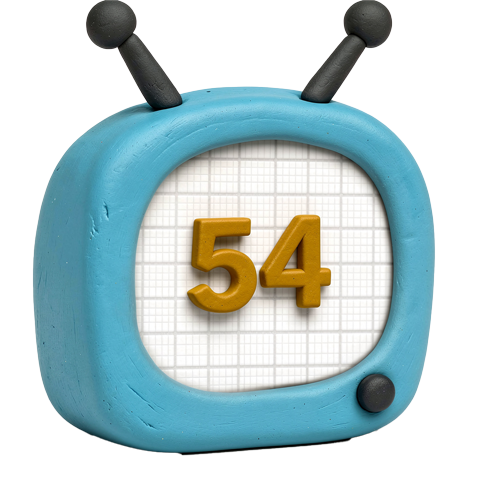
Wholesome
45
A haunting psychological mystery about a privileged family hiding devastating secrets. The narrative deals with trauma, amnesia, grief, and a shocking twist involving death. While it explores real emotional territory, the themes are heavy—family dysfunction, manipulation, substance use, and a tragic accident that shapes the entire story. Not emotionally nurturing, but honest about pain.
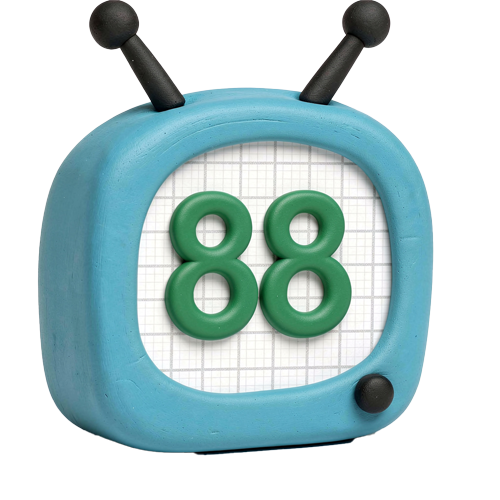
Imaginative
78
Lockhart's narrative structure is genuinely inventive—fragmented, unreliable narration that mirrors the protagonist's amnesia and slowly reveals the truth. The prose is lyrical and experimental, with fairy-tale interludes and metaphorical language. The mystery structure keeps readers guessing and actively piecing together clues. It's a clever, sophisticated puzzle that demands attention.
Safe
52
Multiple content concerns for younger teens: references to prescription drug abuse, alcohol use, sexual content (though not explicit), and the central revelation involves the deaths of teenagers in a fire. The emotional intensity and psychological themes—including PTSD, survivor's guilt, and family trauma—can be triggering. Common Sense Media parent reviews suggest this is better for older high schoolers. The twist ending is genuinely disturbing and stays with you.
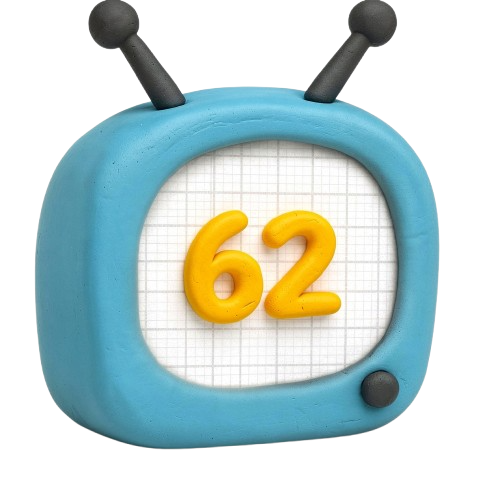
Enriching
72
Raises meaningful questions about privilege, family legacy, complicity, and the stories we tell ourselves to survive trauma. The unreliable narrator technique teaches media literacy—how perspective shapes truth. Explores grief, guilt, and the weight of wealth in ways that spark real conversation. The literary quality is high, with sophisticated prose and structure. However, the enrichment comes with emotional cost.
Parent Info
✓
Why It Might Be Great
Genuinely inventive narrative structure with an unreliable narrator that mirrors trauma and amnesia
The twist is legitimately shocking and forces you to reread the entire book through new eyes
Tackles privilege, family dysfunction, and complicity in ways that spark real conversation
Literary quality is high—lyrical prose, fairy-tale interludes, sophisticated storytelling
TikTok sensation that got a generation of teens actually reading literary fiction
⚠
What to Watch For
The ending is genuinely disturbing and involves the deaths of teenagers—this will stay with your kid
Themes of prescription drug abuse, alcohol use, and sexual content (not explicit but present)
Emotional intensity around trauma, PTSD, and survivor's guilt can be triggering
Some parents say save it for after high school; others say mature 14+—know your teen
The fragmented, unreliable narration can be confusing for less experienced readers
Conversation Starters
"What did you think when you figured out what really happened? Did you see it coming?"
"How does wealth and privilege affect the way this family deals with problems?"
"Why do you think Cadence's brain protected her by making her forget?"
"What would you have done in the Liars' situation? Was their plan justified?"
"How does the fairy-tale imagery throughout the book connect to the real story?"