The ultimate reverse-psychology masterclass
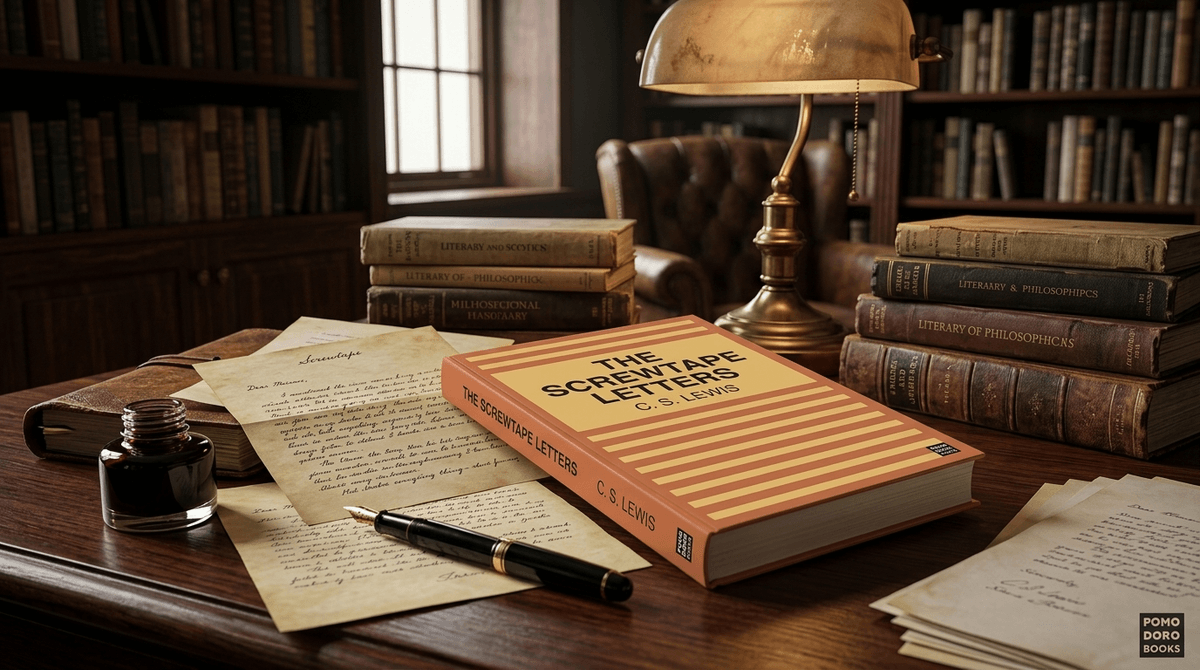
Most books trying to teach morality feel like a lecture from a well-meaning but boring uncle. C.S. Lewis flipped that script by writing from the perspective of the "bad guys." By eavesdropping on Screwtape as he coaches his nephew Wormwood on how to ruin a human life, we get a front-row seat to every petty, selfish, or lazy impulse we’ve ever had. It’s brilliant because it doesn't tell you how to be a saint; it shows you exactly how people become jerks.
For a teenager, this perspective is a massive hook. They’re usually used to being told what to do. Here, they get to see the "strategy" behind bad decisions. If your kid is into psychology, social dynamics, or just likes a good "villain origin story," this will hit differently than a standard novel. It’s a 4.5-star experience on Amazon for a reason: it’s short, sharp, and deeply uncomfortable in the best way possible.
If your kid liked Narnia, proceed with caution
There’s a common trap where parents see C.S. Lewis on the cover and assume it’s a natural next step after The Chronicles of Narnia. It isn't. Narnia is about wonder and adventure. The Screwtape Letters is about bureaucracy. It’s set against the backdrop of World War II, but the "war" is happening inside a normal guy’s head while he’s at the library or arguing with his mother.
If your kid wants a plot with a climax and a hero’s journey, they’re going to be disappointed. This is a collection of letters. There is no "action." The "Patient" (the human being tempted) never even gets a name. This book is for the kid who likes The Good Place or enjoys debating why people act the way they do on Reddit. If they aren't ready for a book where the "action" is mostly internal monologue and philosophical sparring, they might find it dry.
Navigating the "Oxford" friction
The biggest hurdle for a modern reader is the sheer density of the prose. Lewis was an Oxford professor, and he writes like one. Even in this recent 2024 edition, the 1940s British academic tone is thick. You’ll see words like "philological" or "complacency" used in ways that might make a high schooler reach for their phone.
To make this work, don't treat it like a summer beach read. It’s better consumed in small bites—one letter at a time. Because each chapter is just a few pages, it’s actually a great candidate for a "one chapter before bed" routine or a family car ride discussion. If you’re wondering how to bridge that gap between the old-school language and your teen's daily life, check out our Is The Screwtape Letters OK for Your Teen? A Parent’s Real-Talk Guide for some context on the specific themes that usually trip kids up.
The "Noise" factor
One of the most prophetic parts of the book is how Screwtape talks about "noise." He views silence and stillness as dangerous because they allow people to think clearly. In a world of infinite scrolls and 24/7 notifications, Lewis’s take on how distraction is a tool for manipulation feels like it was written this morning.
When you talk about this with your teen, focus on that. Ask them if they think Screwtape would love or hate TikTok. (Spoiler: He’d love it). It’s a great way to turn a 1942 book into a conversation about digital wellness without it feeling like a "screen time" lecture. The book argues that the most dangerous path to "hell" isn't a cliff; it's a gentle slope. That’s a heavy concept for a 16-year-old to chew on, and it’s exactly why this book stays relevant.