The HGTV nightmare you didn't ask for
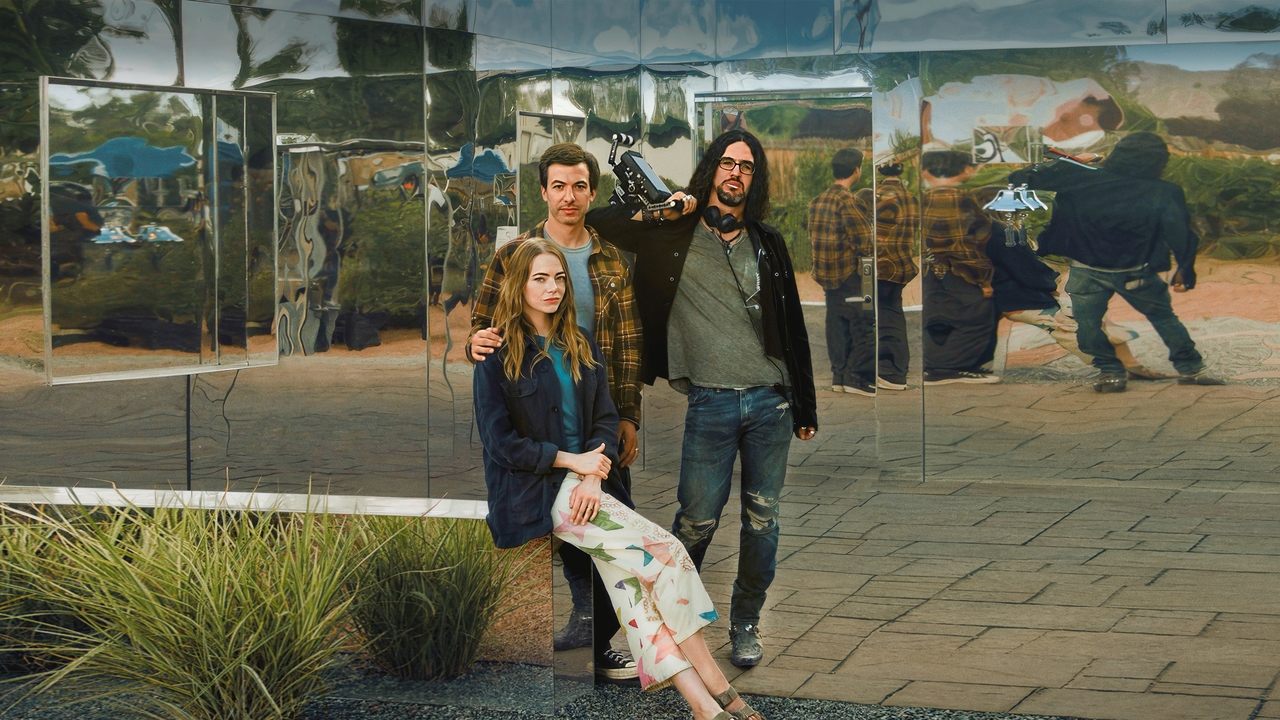
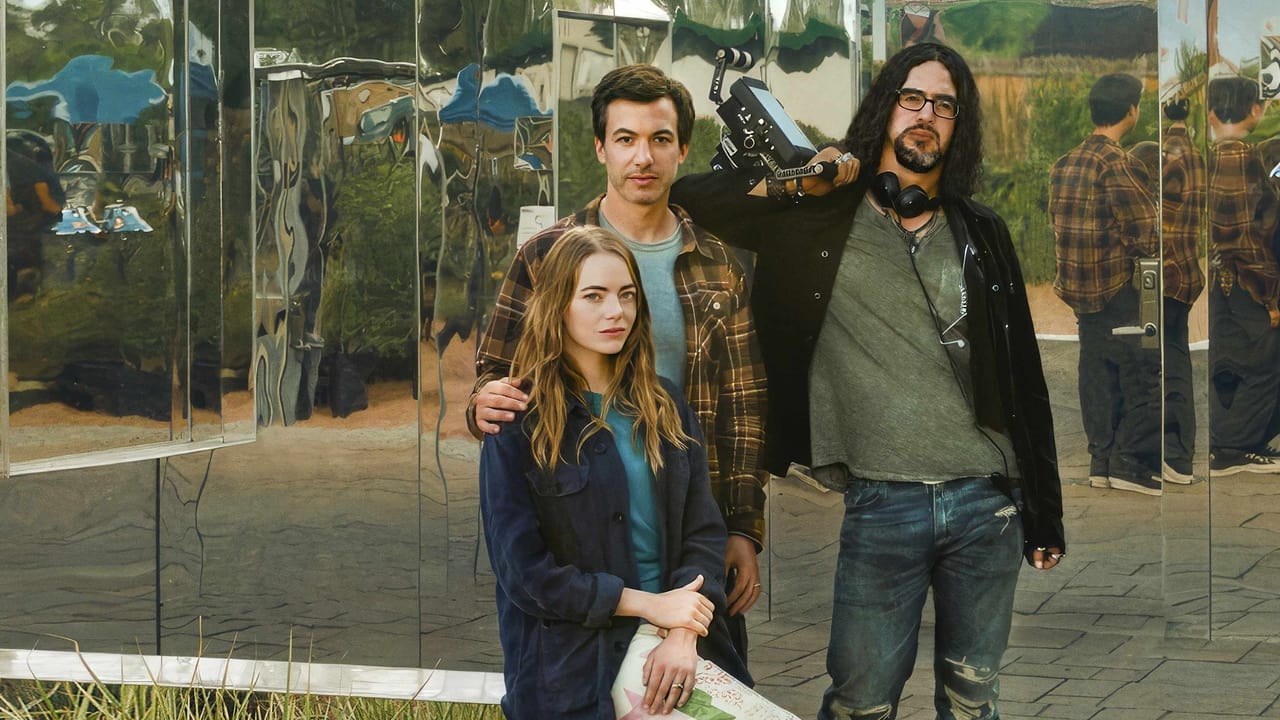
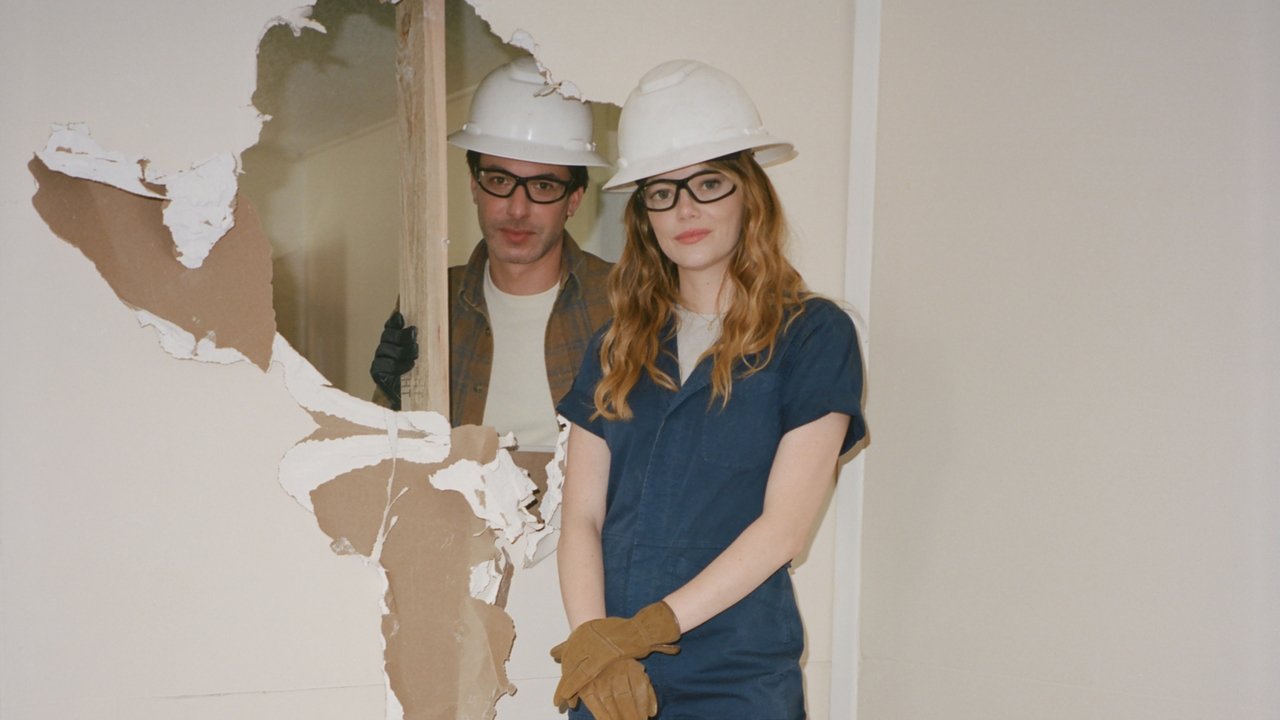
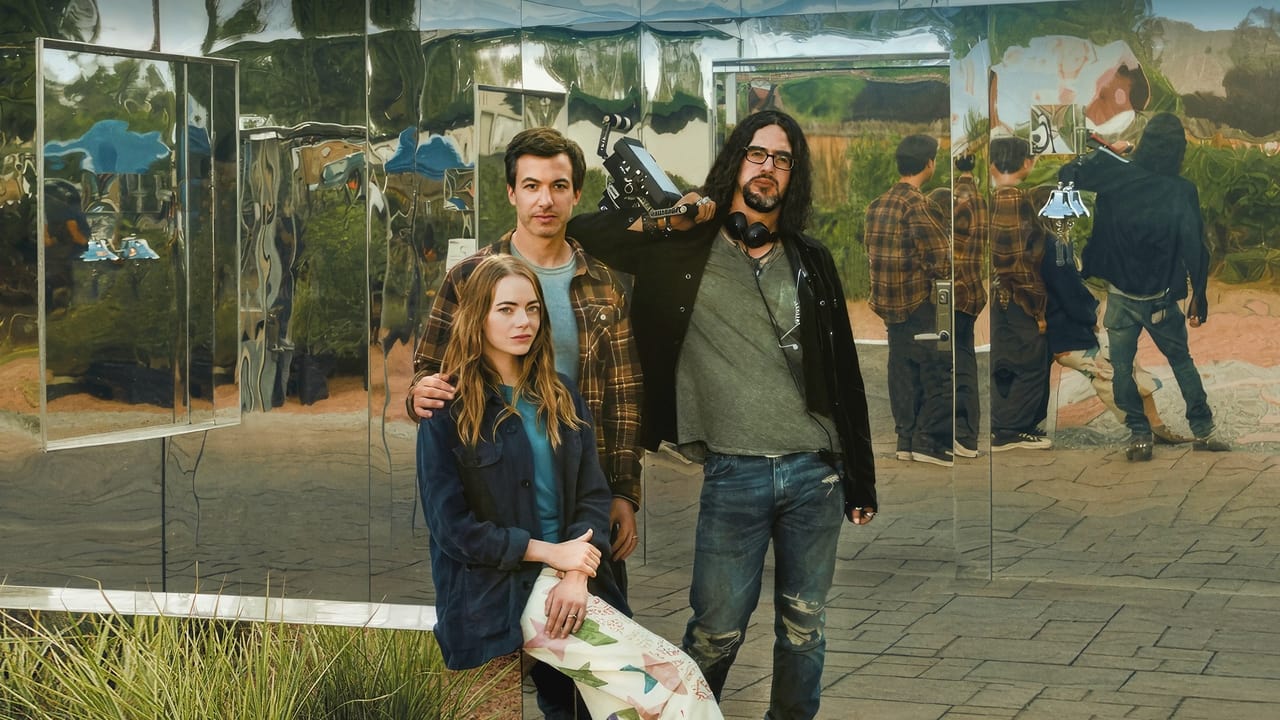
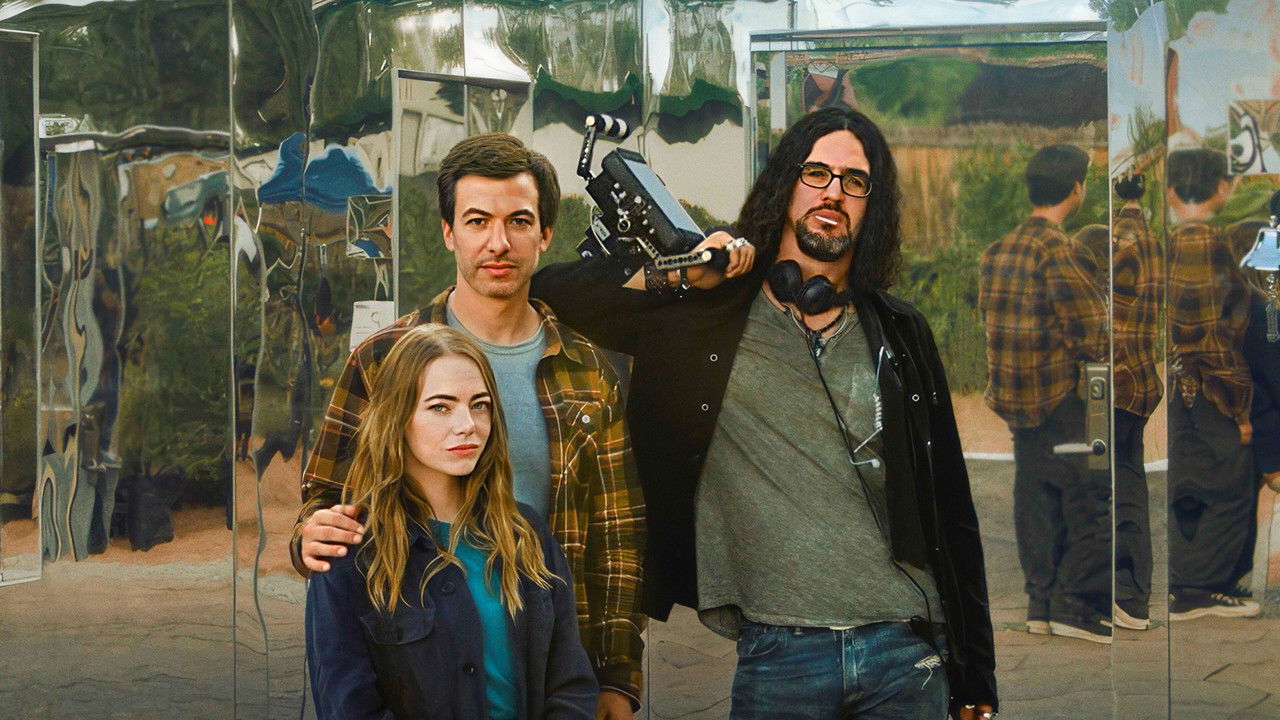
Most of us use home renovation shows as background noise while we fold laundry. The Curse takes that comfort and eviscerates it. It’s a satire of the "gentrification masquerading as philanthropy" movement that’s taken over certain pockets of the country. The mirror-glass houses aren't just an architectural choice; they're a metaphor for people who are so obsessed with how they are reflected in the world that they forget to actually live in it.
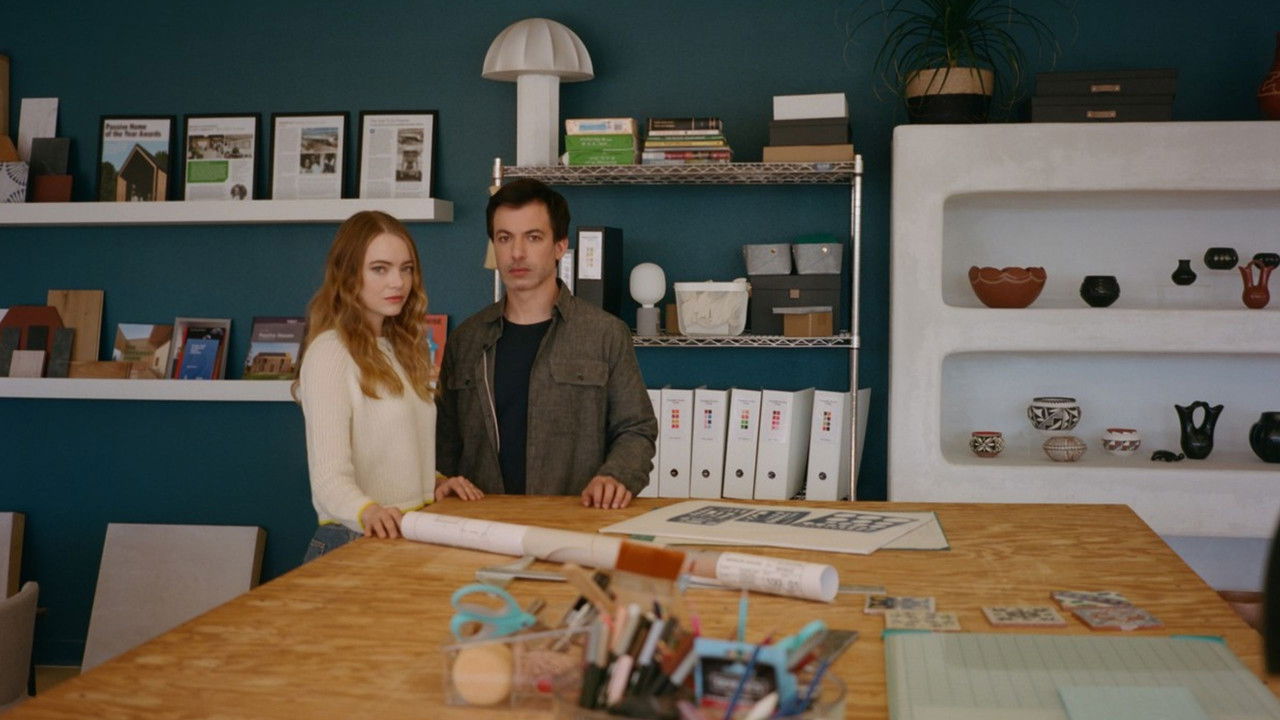
The show captures a very specific, modern brand of narcissism. It’s not about people who think they’re the best; it’s about people who are terrified that they aren't "good" and will do anything to prove otherwise to a camera crew. If you’ve ever rolled your eyes at a corporate "sustainability" initiative or a forced neighborhood "revitalization" project, this hits home with surgical precision.
Why it feels like a horror movie
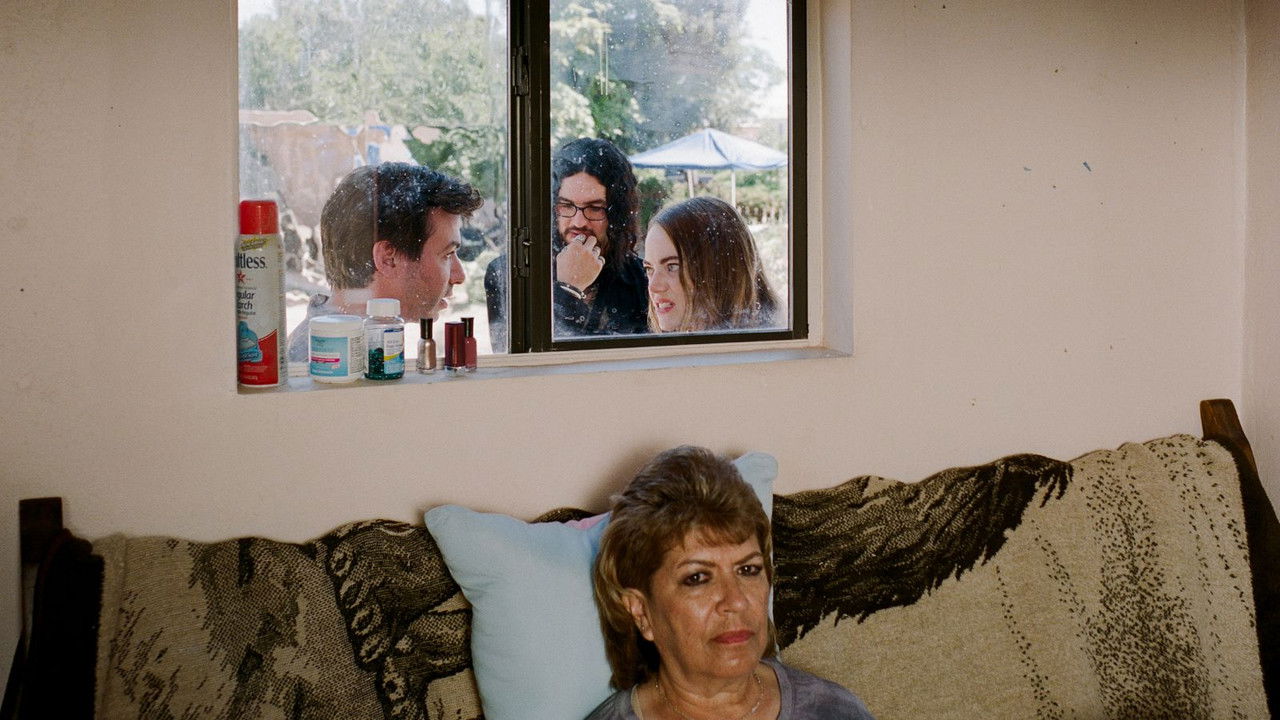
Even though it’s billed as a comedy/drama, the tension is closer to a thriller. It uses long, static shots where the camera feels like a stalker hiding behind a bush or a half-closed door. You’re waiting for a jump-scare that never comes—instead, you just get a conversation that is so socially catastrophic you’ll want to pause the show just to breathe. It’s the same kind of claustrophobic, "no-exit" feeling you get in The Patient, where the psychological weight of the characters' choices creates a persistent sense of dread.
The "Adults Only" reality
The 18+ rating isn't just about the graphic nudity or the awkward sexual dynamics; it’s about the cynicism. This isn't a "fun" watch for a Friday night with the family. If you’re looking for something that uses satire to punch at social systems, you might be used to the punchy, high-energy vibe of The Boondocks, but The Curse is much more interested in the rot inside the individual. It’s prestige drama strictly for the adults who can handle seeing their own performative tendencies held up to a very bright, very unflattering light.
If your older teen is suddenly interested because they’ve seen clips of the "unhinged" ending on social media, be warned: the actual show is a slog of intentional discomfort that most younger viewers will find either boring or physically painful to sit through. It lacks the traditional "payoff" structure of a sitcom or a standard drama.
The payoff is the weirdness
The ending is the thing everyone will be talking about. It shifts from a grounded social satire into something completely surreal. If you’ve stuck with it through the agonizing small talk and the passive-aggressive fights, the finale is a reward that is as confusing as it is unforgettable. It’s the kind of show that makes you want to immediately call someone else who has seen it just to ask, "Did that actually just happen?" It is polarizing, weird, and deeply unsettling, which is exactly why it’s worth the time for anyone tired of "safe" television.