The Enzo factor
Most "dog books" rely on a simple formula: the dog is cute, the dog is loyal, and eventually, the dog dies. Garth Stein does something much weirder and more effective here. By giving Enzo a voice that is part-philosopher and part-TV addict, the book avoids the saccharine trap of most animal POV stories. Enzo doesn't just want a treat; he wants to be reincarnated as a human. He spends the book studying Denny, his owner, like a monk studying a master.
This perspective is why the book works for 13-year-olds who think they’re too old for "kid books." It feels sophisticated because Enzo is cynical about other dogs and observant about human failings. He sees the things the adults are trying to hide—the smell of decay, the shifts in mood, the legal maneuvering—and translates it through a lens of total devotion. It’s a high-concept move that gives the reader a bit of emotional distance from the heavy stuff until the very end, when that distance vanishes entirely.
Racing as a survival skill
You don’t need to know anything about Formula 1 or endurance racing to get this book, but you’ll come away feeling like a semi-pro. The central metaphor—"that which you manifest is before you"—is essentially a lesson in agency. Denny is a race car driver who specializes in driving in the rain, a skill that requires extreme patience and the ability to stay calm when everyone else is hydroplaning.
Stein uses this to frame the family’s tragedies. When Denny’s life falls apart through a series of legal and personal disasters, the book isn't just asking you to feel bad for him. It’s showing a character trying to "drive the track" he was given. For a teenager, this is a great introduction to the idea that you can't control what happens to you, but you can control your line through the corner. It’s a stoic philosophy dressed up in a Nomex suit.
The parts that actually sting
While the 4.6 Amazon rating suggests a crowd-pleaser, there are specific moments that might catch a parent off guard. This isn't just a story about a sick family member; it’s a story about a legal nightmare. There is a subplot involving a false accusation of sexual assault used as leverage in a custody battle. It’s handled with a focus on the injustice and the "racing" mindset needed to survive it, but it’s a sharp pivot into adult territory that moves the book far away from the Marley & Me vibe.
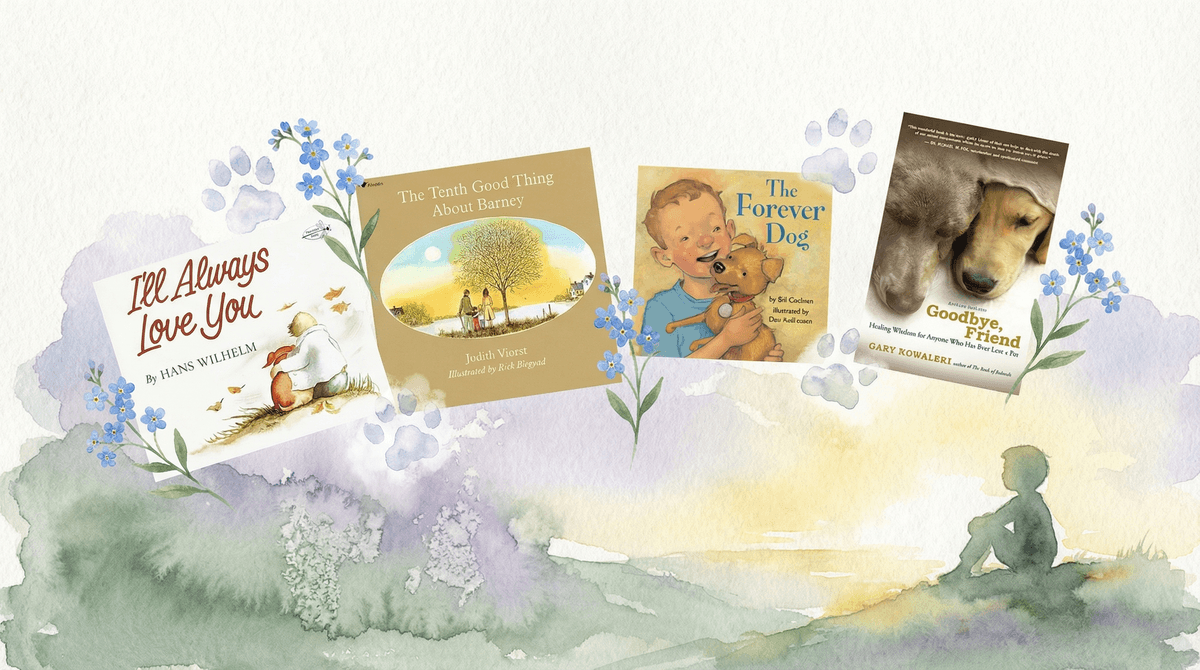
The grief here is also long-form. It’s not one "sad scene"—it’s a multi-year grind. If your family is currently dealing with a sick pet or a recent loss, this book might be too raw. It’s a better fit for a kid who is ready to talk about the "big" questions of life and death from a safe distance. If you're looking for something that addresses these themes for a slightly younger audience or in a different format, our guide on Books About Pet Loss: Helping Kids Grieve with Stories That Heal covers the spectrum of how to handle these conversations.
Why it sticks
There’s a reason this was turned into a major film with Kevin Costner voicing Enzo. The story hits a very specific frequency of catharsis. It’s the kind of book you finish and immediately want to go hug your own dog, but it also makes you think about how you’re "driving" your own life.
If your kid liked The Art of Racing in the Rain, they’re likely ready for stories where the ending isn't perfectly happy, but is deeply meaningful. It’s a gateway to more complex contemporary fiction. Just make sure they have a box of tissues nearby, because even the most stoic reader is going to lose it when Enzo decides he’s finally ready to let go.