/pic9156909.png)


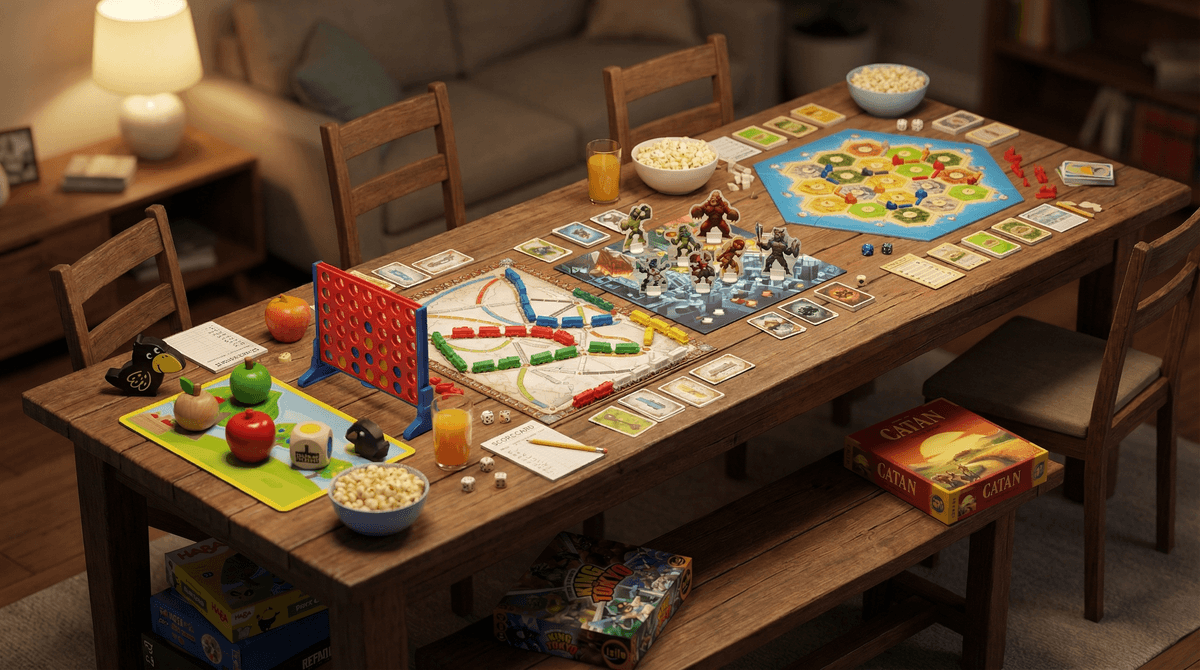
Catan earned its classic status for good reason. It's the game that proved board games could be strategic, social, and genuinely fun for the whole family. The trading mechanic creates real human interaction—no screens, no apps, just people talking and negotiating.
Is it perfect? No. Dice luck matters more than pure strategy purists would like, and games can drag if someone takes forever analyzing every move. Some kids get salty when blocked or when trades fall through. But those are features, not bugs—learning to handle setbacks and negotiate through conflict is exactly what makes this enriching.
Thirty years after release, it's still the gateway game I'd hand to families wanting to move beyond Monopoly. The 2.29 complexity rating nails the sweet spot: deep enough to stay interesting, simple enough to teach in 15 minutes. And unlike most 'family games,' adults actually want to play this one.
The colonization theme is dated and a bit tone-deaf by 2025 standards, but it's abstract enough that you're really just thinking about 'wood' and 'brick,' not anything problematic. If that bugs you, dozens of Catan variants exist with different themes.
Bottom line: If you want your kids learning negotiation, probability, and strategic thinking while actually having fun, Catan delivers. Just maybe set a timer for turns.