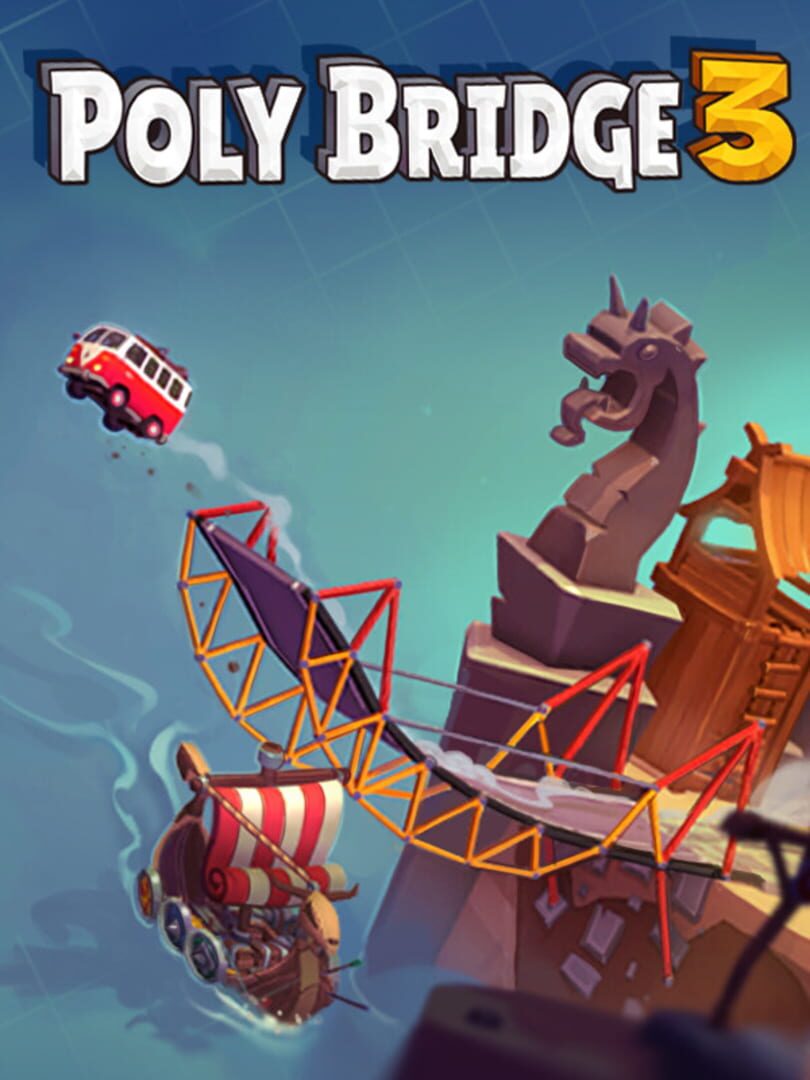
Poly Bridge 3 is the gold standard for 'educational' games that don't suck. It takes the dry subject of structural engineering and turns it into a series of increasingly absurd puzzles that are as much about creativity as they are about math.
It’s rare to find a game that is this safe, this smart, and this genuinely fun to play together. Whether your kid is carefully placing every strut or just trying to see how high they can launch a Vespa, it's time well spent.
Age Fit
Perfect for ages 8 and up. Younger kids can have a blast in the sandbox or the early levels, but the later engineering puzzles require the kind of logical persistence that usually clicks around 3rd or 4th grade.
WISE Breakdown
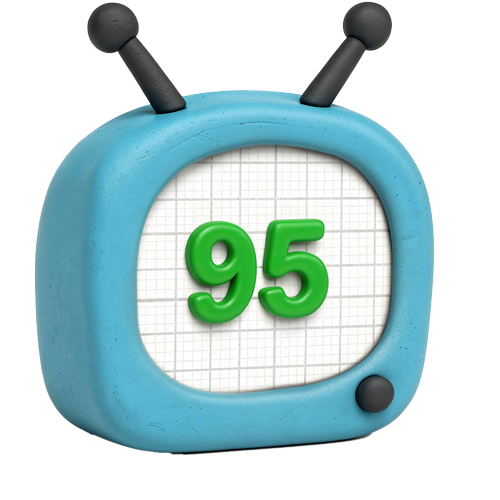
Wholesome
95
The tone is lighthearted and focused entirely on problem-solving. Failure isn't a setback; it's a funny physics display of cars falling into rivers. No violence, no edge, just pure engineering vibes.
Imaginative
92
While there is a 'right' way to support a load, the game actively encourages 'jank'—bizarre, over-engineered, or minimalist solutions that defy common sense but technically work.
Safe
98
Single-player focused, no predatory monetization, and no ads. The only external interaction is sharing or downloading levels, which is standard and low-risk.
Enriching
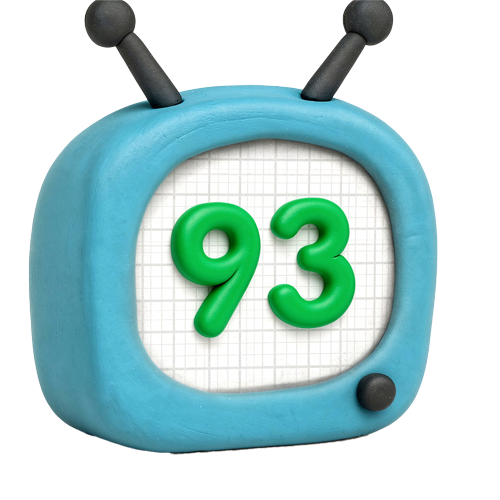
96
This is a stealth STEM masterclass. Kids learn about tension, compression, triangles, and material costs without ever feeling like they're in a classroom.
Parent Info
✓
Why It Might Be Great
Practical Physics: It makes concepts like tension and compression intuitive through trial and error.
Budget Management: Forces players to think about efficiency, not just strength, by capping resources on specific levels.
Creative Sandbox: The sandbox mode lets kids build the most ridiculous contraptions imaginable without constraints.
Zero Pressure: There are no timers or 'lives'—just you, a bridge, and as many attempts as you need.
⚠
What to Watch For
Difficulty Spikes: The campaign gets genuinely hard around World 3; younger kids might need a 'consultant' (you) to help with bridge geometry.
The 'Jank' Factor: Sometimes the physics engine behaves weirdly with complex hydraulics, which can be frustrating if a solution should work but doesn't.
Conversation Starters
"Why do you think triangles are used so much more than squares in your bridge designs?"
"What happens to the cost when we try to make the bridge twice as strong?"
"Did you see that bridge design in the gallery that used half the budget? How do you think they pulled that off?"
"If we were building this in real life, what materials would be the most expensive?"
Deep Dive
If you’ve spent any time in the 'puzzle-sim' genre, you know the Poly Bridge name. The third entry doesn't reinvent the wheel—or the suspension cable—but it refines the experience into something incredibly polished. It’s the kind of game where 'failing' is often more entertaining than succeeding, as you watch a school bus slowly pull your masterpiece into the abyss because you forgot one single joint.
What makes Poly Bridge 3 stand out for families is the transparency of its systems. You can see exactly where the stress is highest (the lines turn bright red) and adjust accordingly. It turns the scientific method—hypothesis, test, fail, iterate—into a core gameplay loop.
Compared to something like Minecraft, which is vast and often social, Poly Bridge 3 is a focused, solitary, or co-op 'on the couch' experience. It’s a fantastic 'wind-down' game that still keeps the brain moving. If you have a kid who loves LEGO or building sets, this is the digital equivalent that won't result in you stepping on a brick in the middle of the night.