

The best puzzle games don't just kill time; they make a kid feel like a literal genius for cracking a code the game didn't think they could solve. There is a specific kind of "brain-high" that comes from staring at an impossible screen for ten minutes and then watching the solution click into place with a single move. That’s the energy we’re looking for—games that respect a kid’s intelligence instead of just asking them to match three candies in a row.
If you want games that build logic without feeling like homework, start with the architectural beauty of Monument Valley 3 for spatial reasoning or the creative engineering of Poly Bridge 3. For older kids (10+) who want a real challenge, Baba Is You is the gold standard—it teaches programming logic by letting them rewrite the rules of the world.
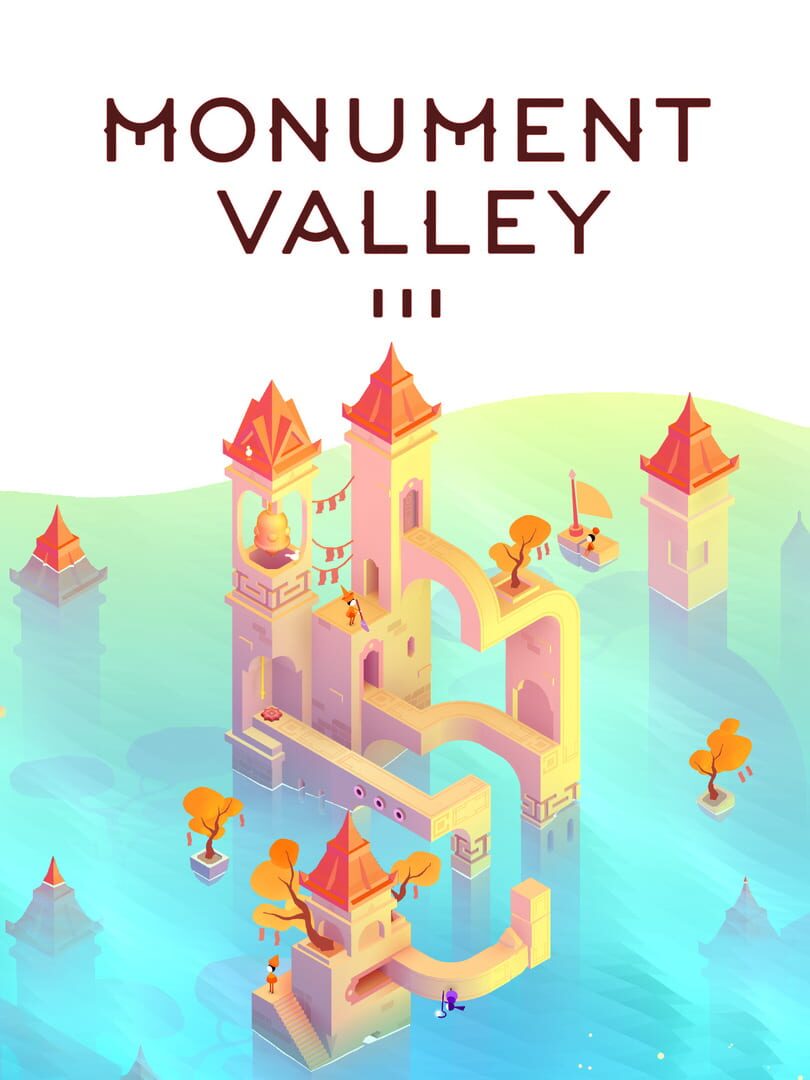
There is no better entry point into "smart" gaming than the Monument Valley series. These games are basically interactive M.C. Escher paintings. You aren't just moving a character; you're twisting the world itself to create pathways that shouldn't exist.
Monument Valley 3 is the latest and greatest, maintaining that signature zen-garden vibe while introducing even more complex impossible architecture. It’s a short experience—you’ll likely finish it in a few hours—but the quality-per-minute is higher than almost anything else on a phone. If your kid is younger or you want to start where the emotional stakes are highest, Monument Valley 2 explores a beautiful narrative about a mother and child growing apart and together. Both games teach spatial reasoning in a way that feels like meditation rather than a test.
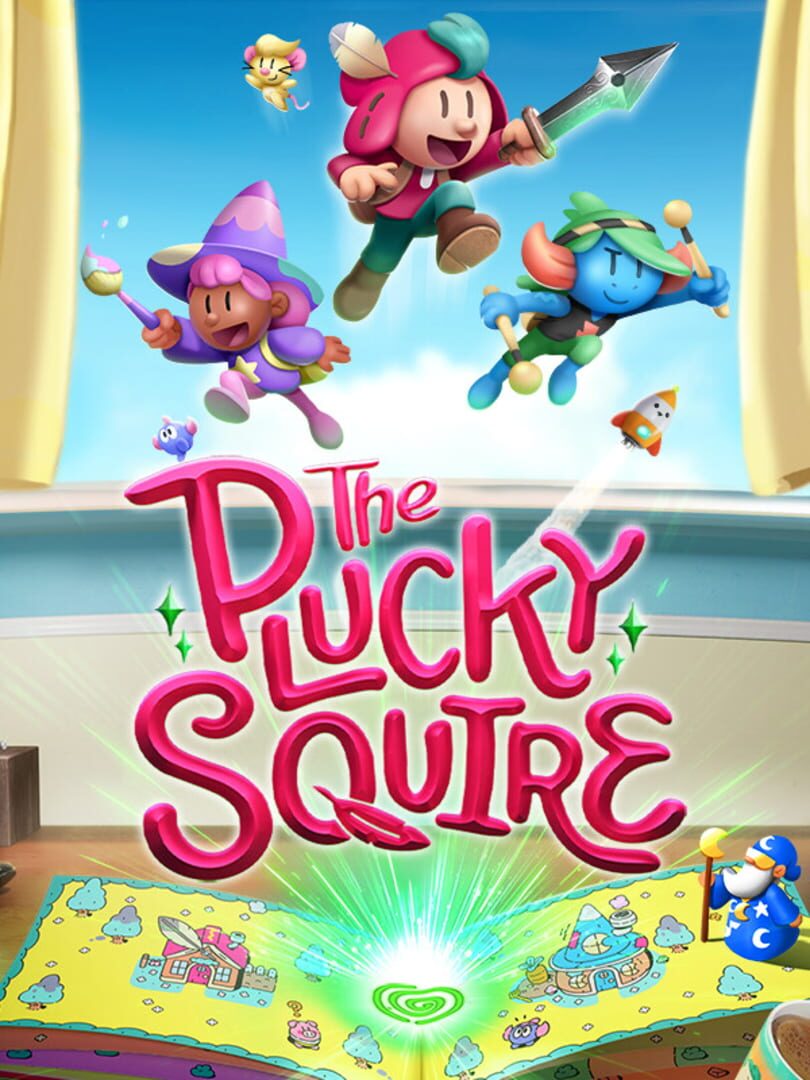
Some games make you feel smart by changing the perspective entirely. The Plucky Squire is a masterclass in this. It starts as a 2D storybook, but then your character leaps off the page into a 3D bedroom.
The "aha!" moments here come from using items in the 3D world to solve puzzles back on the 2D page. It also features word-swapping puzzles where changing a sentence on the page changes the environment (e.g., turning a "giant block" into a "tiny block"). It feels like playing through a Pixar movie, and it has built-in "cheat codes" like invincibility if the platforming gets too tricky for younger elementary schoolers.
If your kid likes building things (or breaking them), Poly Bridge 3 is the move. It’s a physics-based bridge builder where the goal is to get a vehicle from point A to point B without the whole structure collapsing into the river.
What makes this game great is that it forces kids to think about budget and efficiency, not just "more wood equals stronger." It makes concepts like tension and compression intuitive through trial and error. When a bridge fails, it’s usually hilarious—the car doing a slow-motion nose dive because you forgot a single support beam is a great way to learn that failure is just data. It’s perfect for the 8+ crowd who has the patience for a little "jank" in the physics engine.
For pure, distilled logic, you want games that strip away the fluff and focus on the "how."
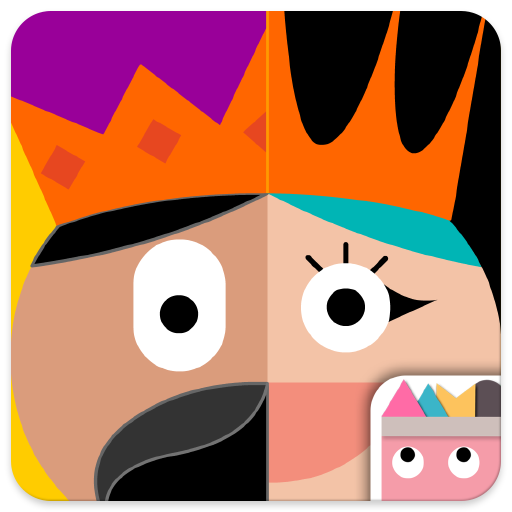
- For the 5-10 set: Thinkrolls is a physics playground disguised as a fairytale. It uses 228 puzzles to teach gears, levers, and gravity. It has a "Big Kid" mode and a "Small Kid" mode, so it grows with them. It’s the kind of game where they’re learning the foundations of engineering while trying to get a rolling character through a maze.
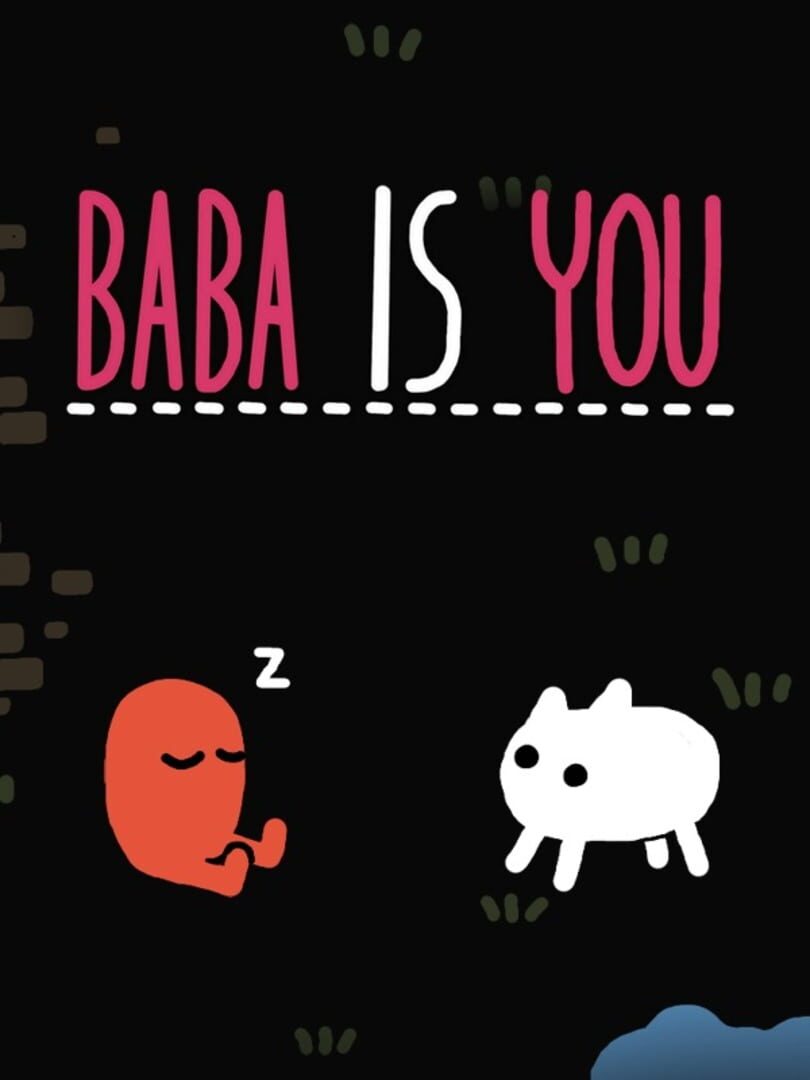
- For the 10-16 set: Baba Is You is genuinely one of the hardest, most brilliant puzzle games ever made. In most games, the rules are fixed. In Baba, the rules are blocks on the screen. If you push the blocks "ROCK IS PUSH" to say "ROCK IS YOU," you suddenly control the rock. It teaches the "if/then" logic of coding without a single line of syntax. Warning: This game will stump you, too. It’s a great one to co-play because two heads are definitely better than one here.
The biggest friction point with puzzle games isn't the content—it's the frustration. These games are designed to make you feel stuck. When your kid hits that wall, the temptation is to either take the controller or look up the answer.
Don't do it. The "smart" feeling only comes if they solve it. Instead, ask "What have you tried?" or "What happens if you do the opposite of what you think?" If they’re playing Poly Bridge 3, ask them to show you where the bridge breaks first. If they're in Baba Is You, ask them to read the rules out loud. Often, just explaining the problem to a parent (the "rubber duck" method) is enough to trigger the solution.

Q: What is the best puzzle game for a 6-year-old? Thinkrolls is the best starting point because of its dual difficulty modes. The Plucky Squire is also great if they have a parent nearby to help with the reading-based puzzles.
Q: Are puzzle games actually educational? Yes, but not in the "flashcard" sense. They build executive function, spatial reasoning, and persistence. Games like Baba Is You and Poly Bridge 3 map directly to programming and engineering concepts.
Q: My kid gets frustrated easily—which one should I avoid? Skip Baba Is You for now. It is notoriously difficult and abstract. Stick to Monument Valley 3, which has no failure states and a much more forgiving, zen pace.
Q: Do these games have ads or in-app purchases? Most of the picks on this list are premium titles, meaning you pay once and own the whole thing. Thinkrolls has a free version with a one-time unlock for the full game, but none of these use the predatory "pay to win" or "watch an ad to continue" loops found in junkier mobile puzzles.
Puzzle games are the best defense against "brain rot." They turn the screen into a tool for thinking rather than just a delivery system for dopamine. Start with something beautiful like Monument Valley 3, and when they start asking for something harder, move them toward the rule-breaking madness of Baba Is You.
- For more age-specific picks, check out our best games for kids list.
- If your kid loves the building aspect of these puzzles, they might be ready for our guide to Minecraft.
- Looking for more physics-based fun? Explore our digital guide for elementary school.