Why Minecraft Belongs in a Different Category Than Social Worlds
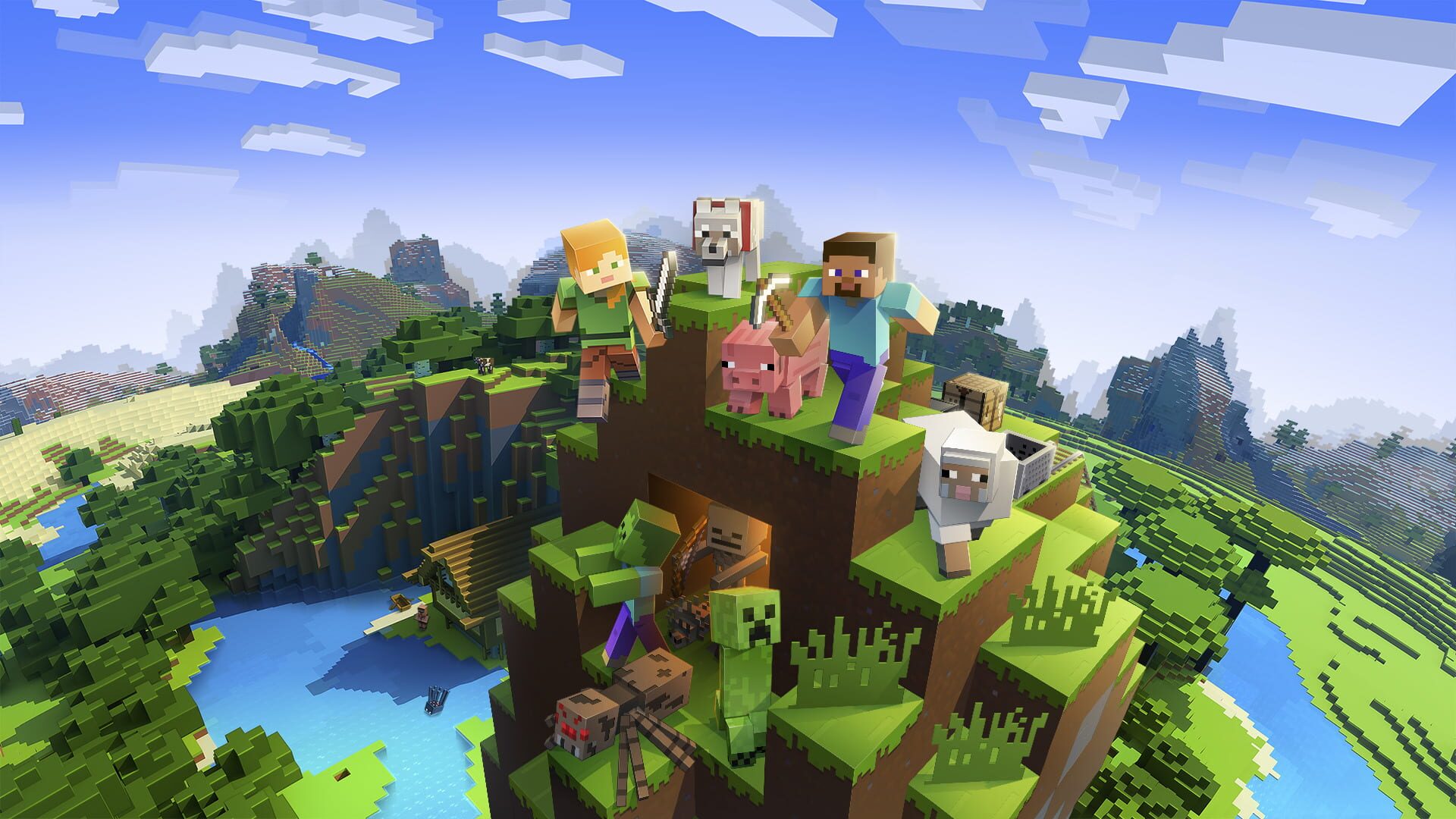
Parents often group Minecraft with Roblox, but their core game design couldn't be more different. Roblox is primarily a social network layered over user-generated minigames heavily reliant on microtransactions and algorithmic feed hooks. Minecraft is fundamentally a blank canvas and an engine for creation.
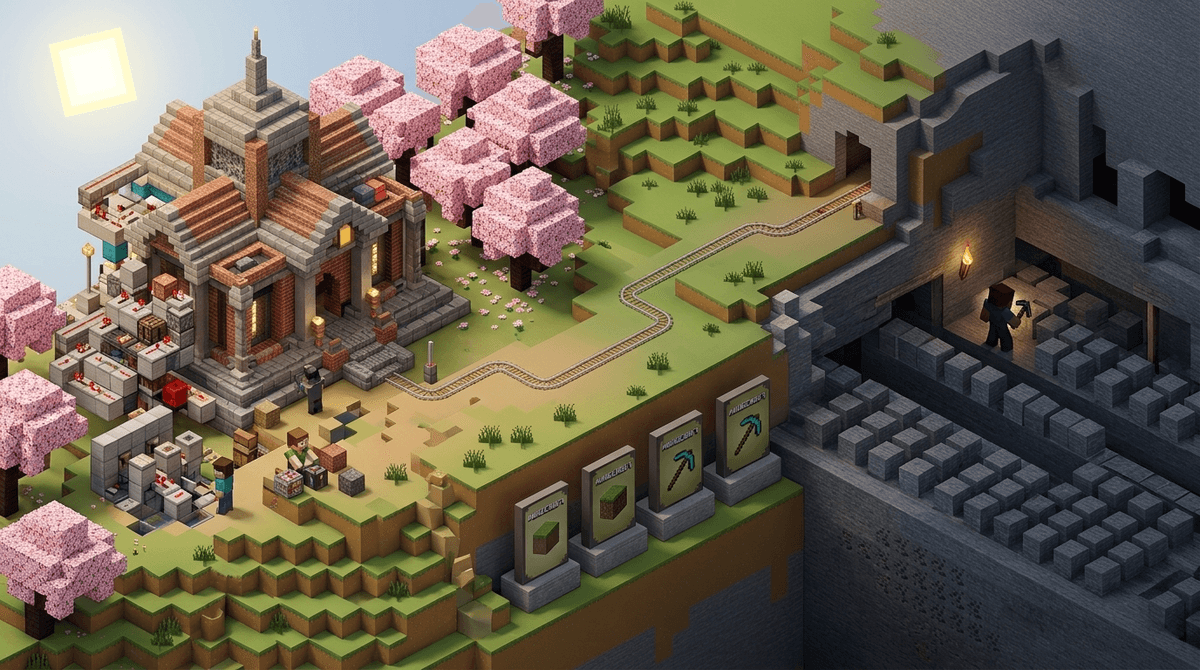
In Creative mode, your kid gets infinite materials and floating flight mechanics. They aren't consuming content; they are drafting architecture, experimenting with scale, and figuring out how three-dimensional shapes translate into block grids. When they move into redstone circuits, they start using logic gates (AND, OR, NOT) that form the building blocks of real computer programming.
Navigating Bedrock Edition Friction Points
Bedrock Edition is the multi-platform version of Minecraft maintained by Mojang and Microsoft. While it makes connecting with friends on different devices easy, it introduces two distinct friction points parents should handle upfront:
- The In-Game Marketplace: Bedrock features an explicit store selling character skins, world templates, and texture packs using "Minecoins" bought with cash. Talk through this before turning kids loose, or remove payment methods from the account so accidental purchases can't happen.
- Public Server Chat: Joining featured public servers exposes players to global text chat. To keep things safe, sign into the linked Xbox/Microsoft account settings online and disable "Communication & Multiplayer" for strangers, keeping connections limited to approved friends.
How to Engage With It
If you want to see what your kid is actually learning, ask for a tour of their world. Don't just look at the structures; ask them to explain how they mined the materials, why they arranged their chest storage system the way they did, or how they wired their automated farm doors. You'll instantly see whether they are just killing time or executing a multi-step design plan.